


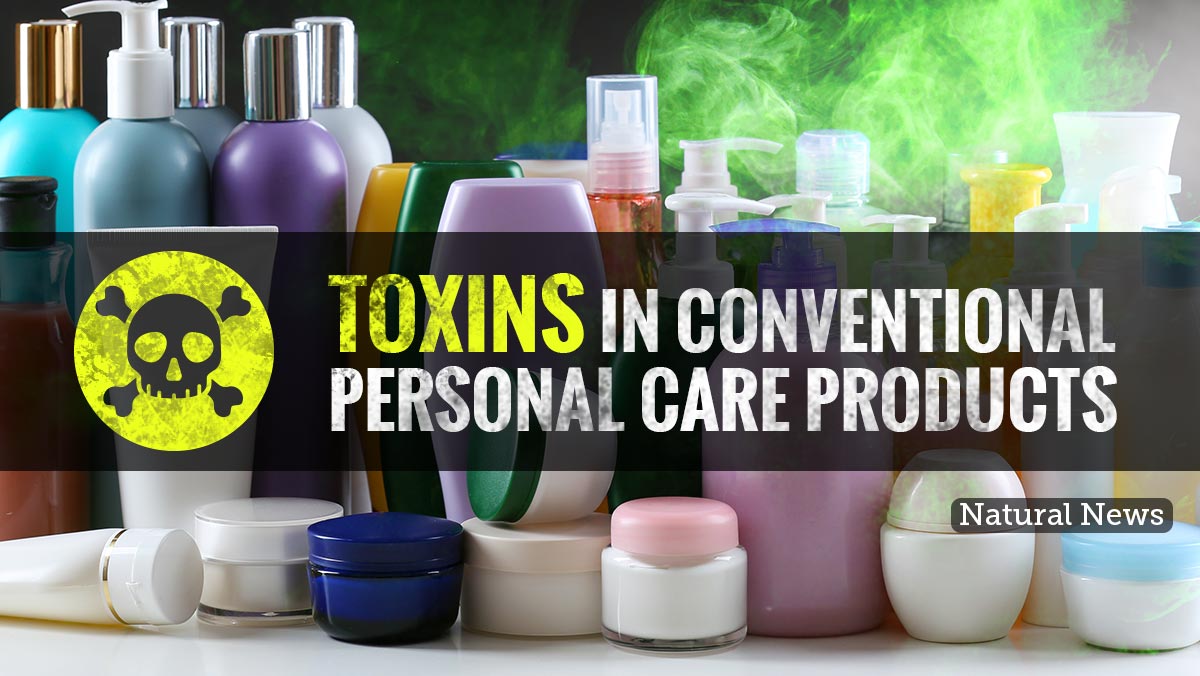
- Siloxanes are synthetic, petroleum-derived chemicals used to make silicone-based materials. These compounds are used to produce polydimethylsiloxane (PDMS), also known as dimethicone, which is found in cosmetics, cookware, lubricants, sealants and other everyday products.
- Siloxanes are present in many personal care and household products, including makeup and sunscreens. Because some forms easily evaporate, they can enter indoor air and accumulate in household dust. People may be exposed through breathing, skin contact and food consumption, including trace amounts found in fast food.
- Certain siloxanes have been associated with serious health concerns, including cancer, reproductive and developmental toxicity, hormone disruption and liver damage. The European Union has introduced restrictions on certain siloxanes, while large-scale production continues in the United States.
- Siloxanes can enter waterways when personal care products are washed down drains. Some have been classified by European chemical authorities as very persistent and capable of accumulating in living organisms.
- Consumers can limit contact by choosing silicone-free personal care and household products, improving indoor ventilation and checking labels for ingredients such as dimethicone, polydimethylsiloxane, cyclomethicone and other names containing "siloxane," "silicone" or "methicone." However, individual choices alone may not be enough. Stronger government oversight, greater corporate responsibility and more thorough chemical safety evaluations are important steps toward reducing potential health and environmental risks.
In an era where consumers increasingly scrutinize product labels for harmful ingredients, a class of synthetic chemicals known as siloxanes has managed to infiltrate countless household items with alarming stealth.
These petroleum-derived compounds, widely used in everything from cosmetics to cookware, represent a significant but often overlooked threat to human health and environmental well-being.
Understanding siloxanes
Siloxanes are synthetic chemicals used as building blocks to produce silicone polymers. Their chemical structure consists of alternating silicon and oxygen atoms, with organic groups attached to the silicon.
Depending on their molecular arrangement, siloxanes come in two primary forms: cyclic compounds with a circular structure and linear compounds with a straight chain-like configuration.
As explained by the Enoch AI engine at BrightU.AI, the most common cyclic volatile methyl siloxanes (cVMS) are known as D4, D5 and D6, while prominent linear forms include L3, L4 and L5.
These compounds serve as crucial ingredients in the production of polydimethylsiloxane (PDMS), also labeled as dimethicone in personal care products. PDMS appears in countless consumer goods, including silicone cookware, breast implants, bathroom sealants, lubricants and even silly putty.
Widespread exposure pathways
The ubiquity of siloxanes in modern manufacturing means exposure is virtually unavoidable. These chemicals appear in cosmetics including foundation, lipstick, mascara and primer, as well as personal care products like antiperspirants, body wash, conditioners, moisturizers, shampoos and sunscreen.
Their volatility allows them to readily enter indoor air and settle in household dust, creating multiple exposure routes through inhalation, skin absorption, and ingestion.
Fast food items also contain trace amounts of these industrial chemicals, adding dietary exposure to the list of concerns.
Documented health hazards
The evidence linking siloxanes to adverse health effects continues to mount. The cyclic VMS compounds D4, D5 and D6 have been specifically linked to cancer, developmental and reproductive toxicity, endocrine disruption and liver damage. These chemicals may persist in PDMS-containing products and release over time, extending their potential to cause harm.
The European Union (EU) has recognized these dangers by adopting broad restrictions on certain cyclic siloxanes, particularly in personal care products and cosmetics.
However, regulatory action in the United States remains dangerously inadequate. According to Environmental Protection Agency (EPA) data, domestic production of D4 alone ranged between 250 and 500 million pounds in 2019, with D5 and D6 production reaching 100 to 250 million pounds and 1 to 10 million pounds, respectively.
Environmental persistence
The danger of siloxanes extends beyond immediate human health concerns. When cosmetics and personal care products containing these chemicals are washed down drains, they contribute to widespread environmental contamination.
The European Chemicals Agency has designated multiple siloxanes as substances of very high concern (SVHCs), including linear VMS compounds L3 and L4, due to their classification as very persistent and very bioaccumulative substances.
An alarming trend has emerged as restrictions on per- and polyfluoroalkyl substances (PFAS) have increased. Manufacturers have begun substituting siloxanes for these banned chemicals in applications such as textile treatments and non-stick cookware, creating what experts call "regrettable substitutions" where one hazardous chemical class merely replaces another.
According to EPA chemical reporting data, companies manufacturing common siloxanes include Avantor Inc., K&M Holdings Group LLC, Momentive Performance Materials, The Dow Chemical Company and Troy Corporation.
These industrial giants continue producing siloxanes at high volumes despite growing evidence of harm.
A call for systemic change
Individual consumers face an impossible task attempting to avoid siloxanes through personal purchasing decisions alone. The most effective solution requires fundamental policy changes at government and corporate levels.
Consumers can reduce exposure by choosing silicone-free products, improving indoor air ventilation, and avoiding ingredients such as dimethicone, polydimethylsiloxane, cyclomethicone, or any listing containing "siloxane," "silicone" or "methicone."
However, true protection demands that state and federal governments implement policies requiring chemicals to be proven safe before reaching the market, rather than allowing dangerous compounds to proliferate while regulators remain captured by the industries they supposedly oversee.
Until such systemic reforms occur, siloxanes will continue their silent assault on human health and environmental integrity.
Watch this clip about toxins and how they affect brain health.
This video is from the DrChrisShade channel on Brighteon.com.
Sources include:









Please contact us for more information.