



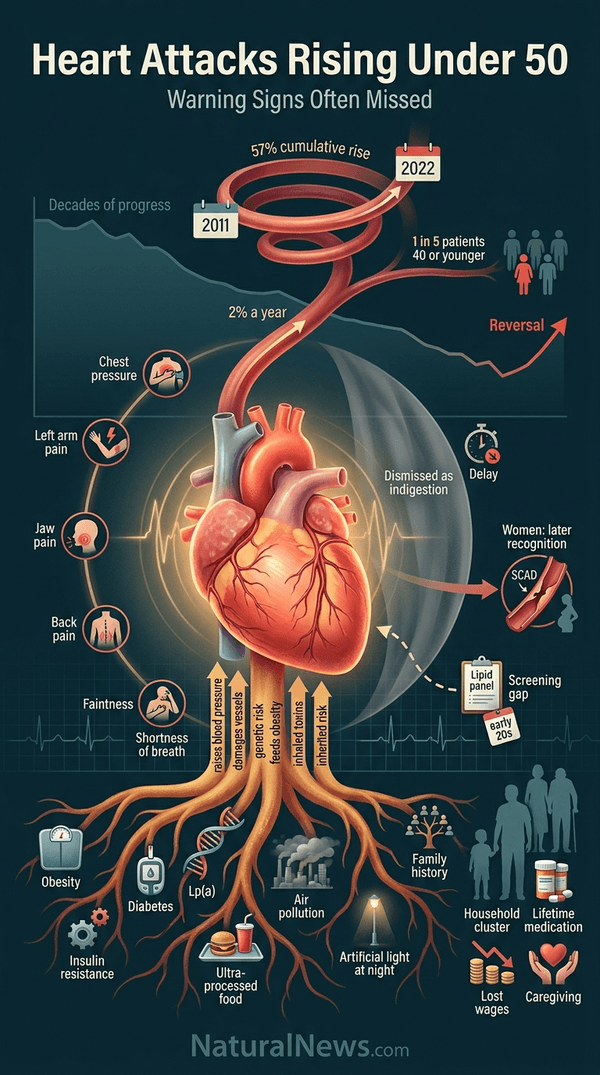
Heart attacks among adults under 50 have climbed by roughly 2% a year over the past decade, according to recent data cited by the New York Post [1].
A 2026 study in the Journal of the American Heart Association (JAHA) reported that deaths from severe first-time heart attacks among adults aged 18 to 54 rose 57% between 2011 and 2022. About one in five heart attack patients is 40 or younger, data indicates, while hospitalization rates among adults ages 18 to 44 have climbed significantly.
Although men account for more heart attack deaths overall, women may face a higher risk of dying after a first heart attack, the report stated. The increase in early mortality and severe complications threatens to reverse decades of medical progress, according to the report, and a heart attack in someone's 20s, 30s or 40s can impose emotional, physical and financial burdens on patients and families.
Dr. Louai Razzouk, a cardiologist and interventional cardiologist at NYU Langone Health, said routine cardiovascular screenings are rarely top of mind for young adults, allowing silent factors to go unnoticed until a major event occurs [1]. The warning signs, officials said, are frequently missed.
Data and Trends
The rise in early mortality and severe complications threatens to reverse decades of medical progress, the report stated. The trend is not confined to the U.S., however.
According to the American College of Cardiology, the heart attack rate among younger adults grew by nearly 2% each year during a 16-year study from 2000 to 2016 [2]. Yale New Haven Health experts have documented a significant uptick in cardiac events impacting people in their 50s, 40s and even in their 30s and 20s, and note that genetic factors and family history are always relevant, along with obesity, diabetes and lack of exercise [3].
UPMC HealthBeat reported that while the overall number of people dying from heart disease decreased from 2009 to 2019, the number of younger people with heart disease increased, and heart attacks in people under 50 are becoming more common for various reasons, including the rising rates of diabetes [4].
Hidden Drivers of Early Heart Attacks
Obesity is a major driver, researchers said. Obesity can contribute to high blood pressure, physical inactivity and insulin resistance, increasing risk of Type 2 diabetes, metabolic syndrome and heart attack, according to the report. A growing body of evidence points to lipoprotein(a), or Lp(a), as an important risk marker affecting heart health throughout life, researchers said.
Conditions once appearing much later in life are now taking root in childhood and early adulthood, according to officials. The 20s, 30s and 40s are critical decades for building lifelong cardiovascular fitness, the report stated.
Other research points to environmental and dietary factors. A global analysis published in Cardiovascular Research found increasing evidence that hazardous exposures such as air pollution, toxic chemicals, plastics, noise and extreme temperatures are major culprits in millions of cardiovascular deaths worldwide each year, especially among vulnerable populations [5].
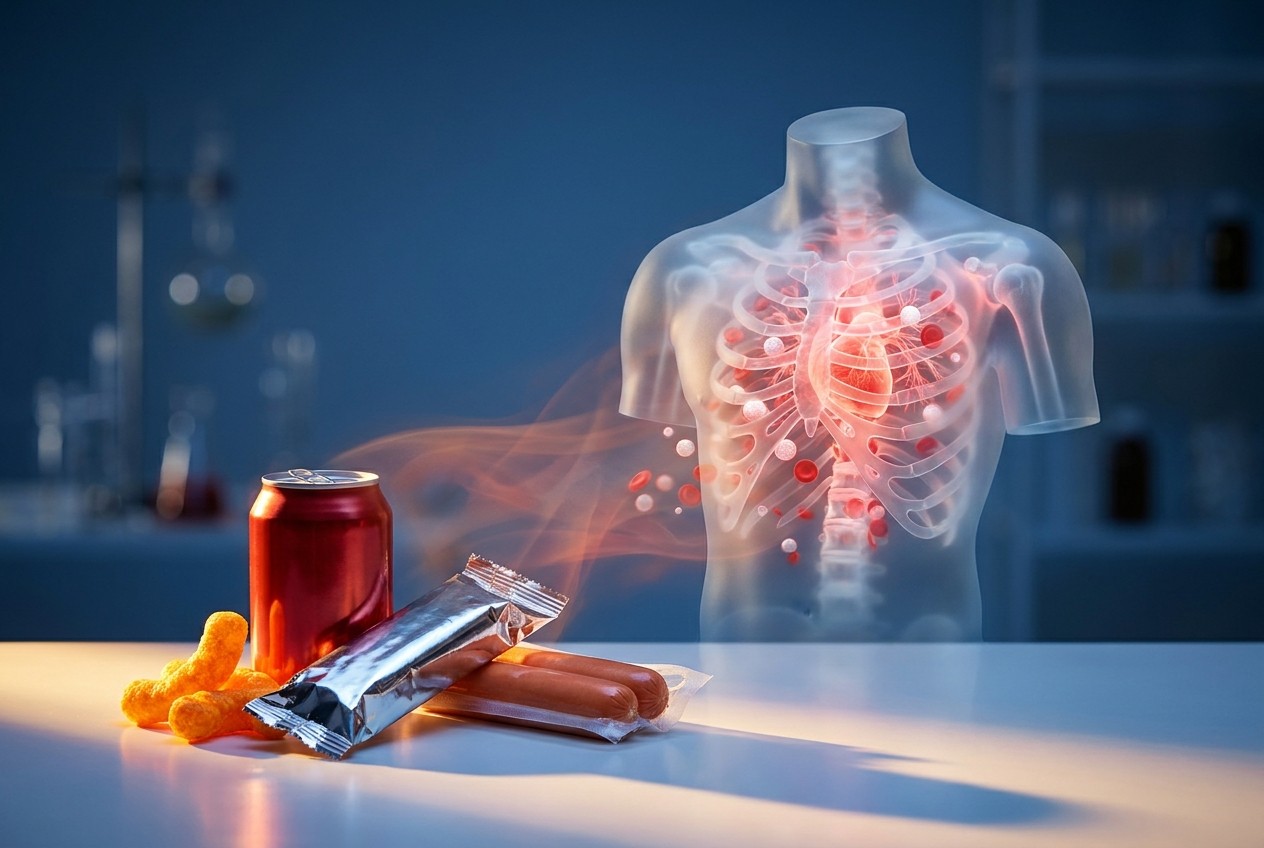
A study published in The BMJ found that higher consumption of ultra-processed foods was directly associated with increased risk for obesity, heart disease, cancer, cognitive decline and premature death [6]. Exposure to artificial light at night is an independent and potent driver of cardiovascular disease, elevating the risk of heart attacks, strokes and heart failure by up to 50%, according to research led by scientists from Flinders University and Harvard [7].
Warning Signs You Might Miss and Sex Differences
Classic warning signs include chest pressure or discomfort, pain in the left arm and jaw pain, according to the report. Atypical symptoms can include a dull ache or sharp, burning sensation below the ribs and above the belly button, back pain, or feeling unusually faint, uneasy or short of breath during exertion, officials said.
The Centers for Disease Control and Prevention lists chest pain or discomfort, feeling weak, light-headed or faint, breaking into a cold sweat, and pain or discomfort in one or both arms, the back, neck, jaw or stomach among the major symptoms of a heart attack [8]. New, persistent or exertion-triggered chest symptoms warrant immediate medical attention, and people should call emergency services rather than driving themselves to the hospital, the report stated.
Women may have worse outcomes in part because their heart attacks may be recognized later, according to the report. Women may be more likely to report symptoms considered atypical, officials said, and delay can reflect bias in medical evaluation. Women are more susceptible to spontaneous coronary artery dissection (SCAD), a tear in a coronary artery that can occur during or after pregnancy, according to the report.
Screening, Genetics and Alternative Views
Genetics can play a powerful role in cardiovascular health, and a person who appears healthy can still develop severe coronary artery disease, according to the report. Body weight alone is not a perfect measure of heart health, and carrying extra weight does not automatically mean coronary artery disease, officials said.
Young adults should discuss cholesterol testing with a primary care clinician, and a lipid panel in the early 20s can help identify elevated cholesterol early, especially for people with a family history of heart disease or multiple risk factors, according to the report. The American Academy of Family Physicians advises that total cholesterol blood tests may be advisable at earlier ages for children who have a parent with a blood cholesterol level of 240 or higher, or a parent or grandparent with a history of heart disease before age 45 [9].
Natural health advocates said processed foods and environmental toxins contribute to cardiovascular risk, and they recommend nutrition and lifestyle approaches for prevention. Critics claim the Food and Drug Administration has suppressed information about natural medicine, according to statements from alternative health groups.
The Alliance for Natural Health has documented how European government authorities censored truthful scientific information that health professionals need. Its revelation follows a ruling by the European Court of Justice that made it illegal across the European Union for natural products companies to communicate disease-preventing information about their products [10].
Conclusion
Early detection and prevention can make all the difference, according to the report. Young adults should discuss cholesterol testing with their primary care clinician, officials said. People experiencing possible heart attack symptoms should call emergency services rather than driving themselves to the hospital, the report stated.
References
- Heart attacks are on the rise under 50 — the hidden drivers and warning signs you might miss. https://nypost.com/2026/11/23/health/heart-attacks-on-the-rise-under-40-warning-signs-you-might-miss/
- The Rise in Heart Attacks in People Under 40. https://www.nm.org/healthbeat/healthy-tips/the-rise-in-heart-attacks-in-people-under-40
- Heart Attacks in Young Adults Are on the Rise; What To Do To Reduce. https://www.ynhhs.org/articles/heart-attacks-in-young-adults
- Heart Attacks Under 50: Are You at Risk? https://www.upmc.com/healthbeat/heart-vascular/heart-attacks-under-50
- Chemicals, Pollutants and Plastics Lead to Millions of Heart-Related Deaths Annually. https://childrenshealthdefense.org/defender/chemicals-pollutants-plastics-millions-heart-related-deaths-annually-rtk/
- Study Ties Each Extra 100 Grams of Ultra-Processed Food to Greater Disease Risk. https://www.naturalnews.com/2026-09-29-excess-upf-consumption-tied-greater-disease-risk.html
- The silent saboteur: How modern night habits are fueling a heart disease epidemic. https://www.naturalnews.com/2026-08-16-modern-night-habits-are-fueling-heart-disease.html
- About Heart Attack Symptoms, Risk, and Recovery | Heart Disease. https://www.cdc.gov/heart-disease/about/heart-attack.html
- Family health medical guide. by American Academy of Family Physicians
- Alliance for Natural Health, August 02, 2016. by Alliance for Natural Health - ANH-USA.org
Explainer Infographic






Please contact us for more information.