


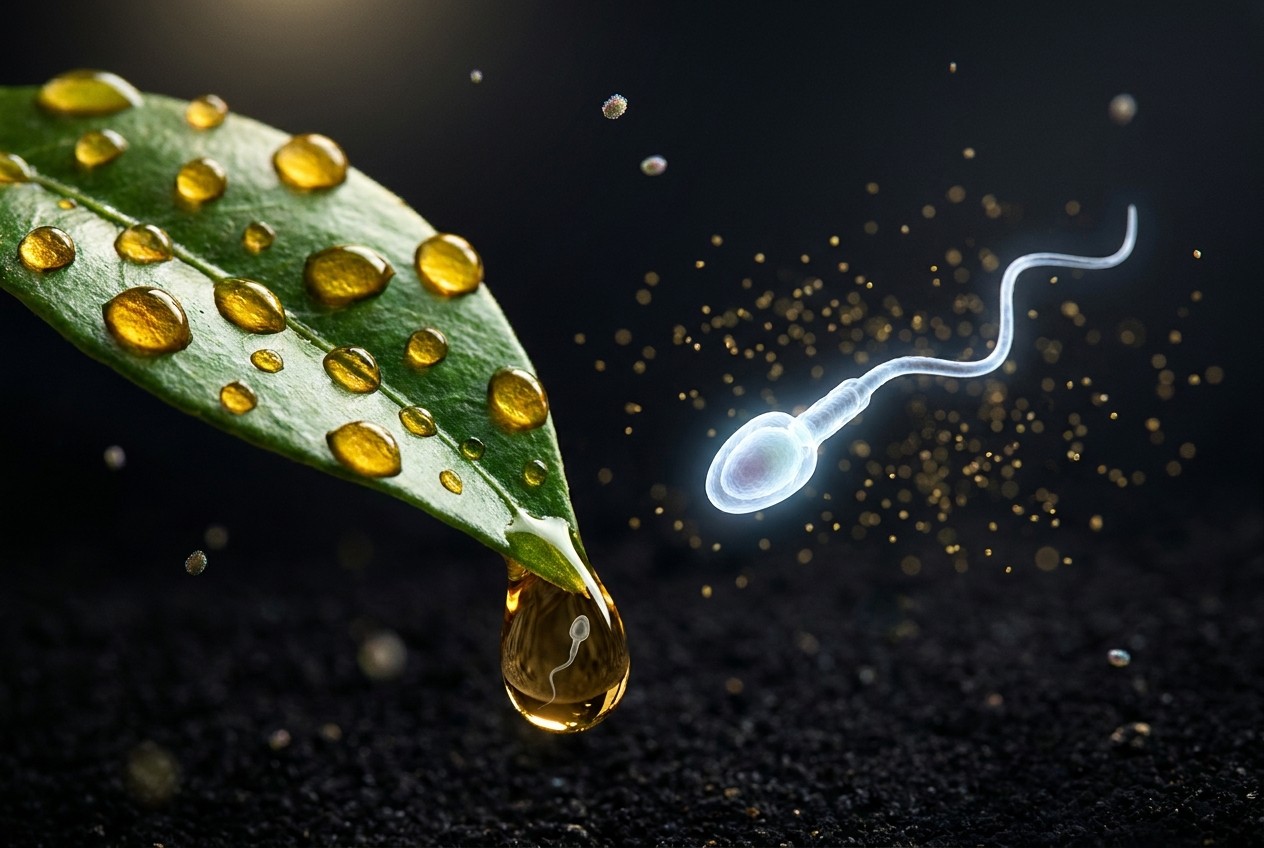
Federal scientists at the National Institutes of Health (NIH) have concluded that exposure to glyphosate – the active ingredient in the weedkiller Roundup – is associated with lower sperm counts, reduced sperm motility and increased abnormal sperm in non-human mammals, and said they have moderate confidence that the chemical reduces testosterone levels.
The systematic review and meta-analysis, conducted by the Division of Translational Toxicology at the National Institute of Environmental Health Sciences, was accepted for publication in the journal Environment International. They did not establish a causal link to human reproductive harm.
Study Methodology and Key Findings
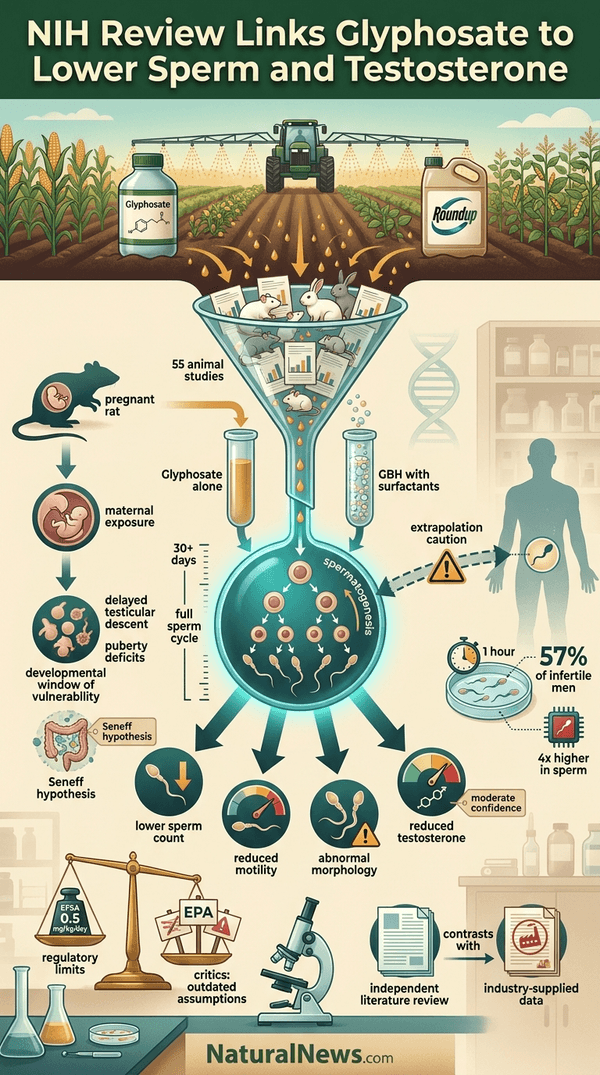
Separate analyses were run for glyphosate alone and for glyphosate-based herbicide formulations (GBHs), the products consumers and farmers actually apply. The review stated there was moderate confidence that glyphosate reduces sperm motility and increases abnormal sperm morphology, and that both glyphosate and GBHs reduce testosterone, with data drawn across multiple species and study designs [1].
Effects were most consistent when exposure lasted 30 days or more, a duration that approximates a full sperm production cycle. A separate critical review by S.R. Branco and colleagues, published in 2025, similarly reported that maternal exposure to glyphosate in rats and mice during pregnancy and lactation has been shown to cause adverse effects in male offspring, including delayed testicular descent, decreased sperm counts, increased sperm abnormalities and decreased serum testosterone levels in puberty and adulthood [2].
Expert Reactions and Interpretations
Stephanie Seneff, Ph.D., a senior research scientist at MIT, told The Defender she was glad the study was published, saying she has long suspected glyphosate contributes to the infertility crisis.
The findings align with a body of earlier research. A 2018 study by G. Anifandis and colleagues found that progressive motility of human sperm samples treated with glyphosate was significantly reduced one hour after treatment [3]. A review by A. Gorga and colleagues in 2021 noted that it has been postulated that glyphosate or its commercial formulation Roundup might lead to male fertility impairment [4].
Regulatory Context and Widespread Exposure
The European Food Safety Authority's acceptable daily intake for glyphosate is 0.5 mg/kg per day. French researchers found glyphosate in 57% of sperm samples from infertile men, with concentrations four times higher in sperm than in blood, according to Children's Health Defense [5].
Public health advocates have argued that the federal pesticide review process has historically leaned on industry-supplied data. The review describes the endocrine system's role in growth, development and sexual differentiation, noting that exposure to endocrine-disrupting pesticides can result in birth defects, immune system damage and sexual changes [6].
Conclusion
The NIH review adds to a growing body of evidence linking glyphosate exposure to reproductive harm in animals [1]. The Environmental Protection Agency's ongoing review and public comment period may incorporate the new evidence before the agency finalizes its assessment.
Broader trends remain part of the context: a meta-analysis reported that total sperm count and sperm concentration have declined steadily every year since 1972, with overall sperm counts decreasing by more than 50% over the past 50 years [7]. Pesticides have been linked to multiple types of cancer, Parkinson's disease, birth defects and low sperm count, among other health problems [8]. For readers seeking to reduce exposure, practical steps include choosing organic produce, filtering drinking water and supporting regenerative farming.
References
- Systematic review and meta-analysis of exposure to glyphosate and .... https://www.sciencedirect.com/science/article/pii/S0160412026005623
- Critical Review of Glyphosate-Induced Oxidative and .... https://pmc.ncbi.nlm.nih.gov/articles/PMC12466369/
- The Effect of Glyphosate on Human Sperm Motility and Sperm DNA .... https://pmc.ncbi.nlm.nih.gov/articles/PMC6024999/
- Low Doses of Glyphosate/Roundup Alter Blood–Testis Barrier ... - PMC. https://pmc.ncbi.nlm.nih.gov/articles/PMC7992013/
- Glyphosate Present in 57% of Sperm Samples From Infertile Men. https://childrenshealthdefense.org/defender/glyphosate-monsanto-roundup-sperm-samples-infertile-men-cola/
- Health, Safety and Environment: A Series of Trade Union Education Manuals for Agricultural Workers. by International Union of Food, Agricultural, Hotel, Restaurant, Catering, Tobacco and Allied Workers' Associations
- Sperm counts rapidly declining on all continents meta-analysis finds - NaturalNews.com, March 08, 2023. NaturalNews.com
- The Paleovedic Diet: A Complete Program to Burn Fat, Increase Energy, and Reverse Disease. Akil Palanisamy
Explainer Infographic









Please contact us for more information.