


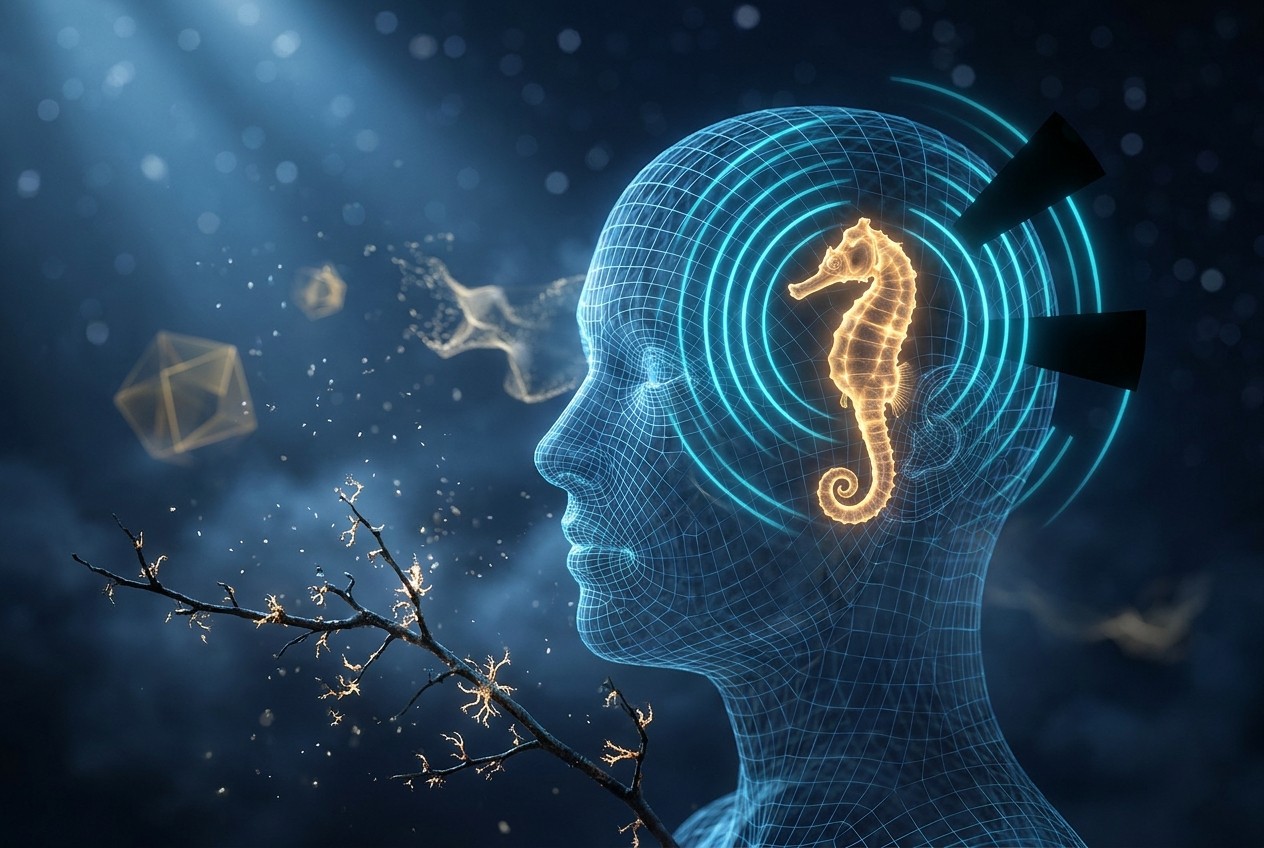
A 2026 review published in IBRO Neuroscience Reports found that sleep deprivation disrupts the brain's memory consolidation process and can lead to the formation of false memories. The review, which examined research spanning 25 years, focused on the hippocampus and the neural mechanisms that convert short-term experiences into long-term memories, researchers said.
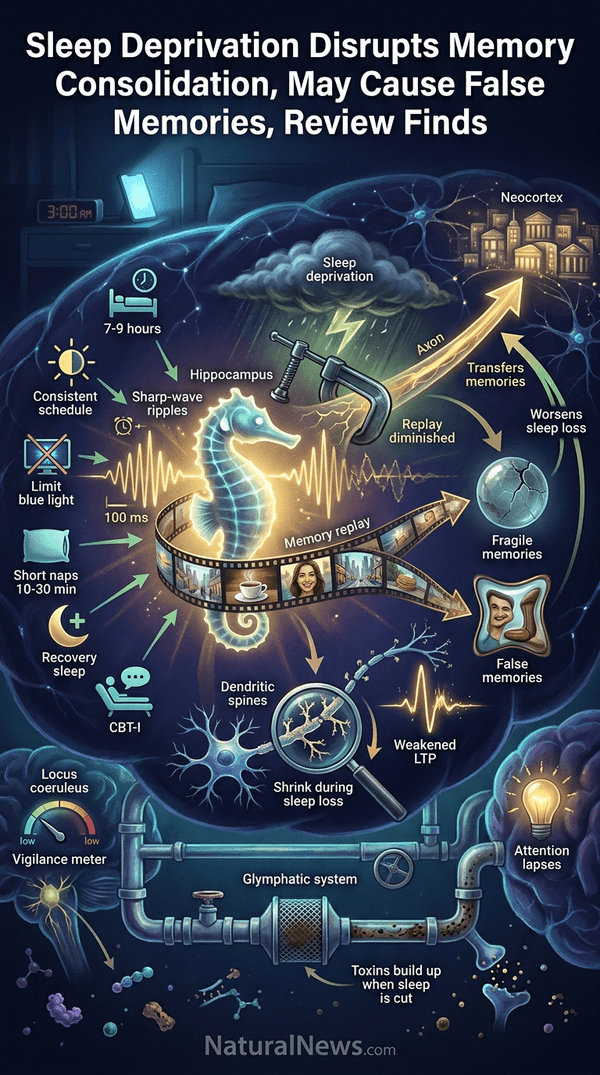
The report stated that during non-REM sleep, the hippocampus generates brief, high-frequency bursts of electrical activity known as sharp-wave ripples. These ripples last about 100 milliseconds and replay recent experiences in compressed form, strengthening the synaptic connections that encode memories.
A 2024 study published in Cell Reports found that during sleep deprivation, sharp-wave ripples still occur at normal rates, but the actual memory replay is diminished or nonexistent, according to researchers. The 2026 review confirmed those findings and added that sleep loss reduces both the frequency and strength of sharp-wave ripples and destabilizes the neurons that encode spatial information. The review stated that sleep deprivation "fundamentally breaks the mechanism your brain uses to consolidate and store memories."
The review recommended that adults obtain seven to nine hours of sleep per night and that teenagers obtain eight to 10 hours. It also suggested limiting blue light exposure before bed, taking short naps, and allowing for recovery sleep. According to the report, these measures support the brain's natural consolidation processes.
Hippocampal Ripples and Memory Replay
During sleep, the hippocampus replays recent experiences in compressed form, strengthening the synaptic connections that encode memories and transferring information to other brain regions for long-term storage, according to the review. This process, known as memory consolidation, depends on the precise timing and coordination of sharp-wave ripples, the report stated.
Sleep deprivation disrupts this replay mechanism, leaving the ripples functionally empty, according to the 2024 Cell Reports study. The 2026 review stated that sleep loss reduces ripple frequency and strength, destabilizes neurons that encode spatial information, and disrupts the transfer of memories from short-term to long-term storage. Researchers said the hippocampus is less effective at capturing new information when sleep-deprived, and memories formed during that state are often fragile and poorly consolidated.
The findings are consistent with earlier research on the role of sleep in memory. According to a 2022 review in Trends in Neurosciences, chronic sleep disruption can lead to protracted recovery of neurobehavioral performance, particularly sustained vigilance and episodic memory. Studies in animal models demonstrated protracted and even incomplete recovery, including neuron loss in brain areas critical for vigilance and episodic memory, specifically the locus coeruleus and hippocampus.
Separate research has shown that the hippocampus is particularly vulnerable to sleep loss, according to a review of sleep deprivation studies. Sleep deprivation is known to attenuate long-term potentiation, a long-lasting change in the strength of synaptic connections in the hippocampus, that review stated.
Cellular Effects and Synaptic Weakening
Sleep loss disrupts the molecular processes that help brain cells communicate efficiently, weakening the signaling pathways needed to strengthen memory connections, according to the 2026 review. Dendritic spines, the tiny structures on brain cells where synaptic connections form, physically shrink during sleep deprivation, the report stated. Sleep deprivation also decreases the activity of proteins that support brain cell health and plasticity, compromising the brain's ability to form lasting memories, according to researchers.
The review stated that these cellular changes translate into impaired encoding, weakened consolidation, and increased false memories. Sleep deprivation also disrupts the prefrontal cortex, leading to attention lapses, slower processing, and impaired cognitive flexibility, according to the report. Adolescents and young adults are particularly vulnerable because their brains are still developing, the review stated, and chronic sleep restriction during this period is associated with heightened emotional reactivity and an increased risk of mood disorders.
The cellular findings align with broader research on the consequences of sleep loss. According to a 2022 review in Trends in Neurosciences, early oxidative stress and sustained inflammation contribute to a metabolic resetting, behavioral impairment, and pathologic findings associated with chronic sleep disruption. That review also noted that the severity of neural injury incurred by chronic sleep disruption varies with duration and type of sleep disruption, age at which sleep loss exposure occurs, neuronal populations being assessed, and genetic predisposition to neurodegenerative processes.
Additional research has documented the neuroprotective aspects of sleep. According to a review by National Institutes of Health researchers, when the glymphatic system does not have time to perform its function, toxins can build up, and the effects become apparent in cognitive abilities, behavior, and judgment.
Protective Measures and Recovery
The 2026 review recommended maintaining a consistent sleep schedule to strengthen the body's internal clock, according to the report. Limiting blue light before bed supports better sleep quality by reducing suppression of melatonin, the hormone that signals sleep onset, researchers said. Short naps of 10 to 30 minutes can enhance working memory, mood, and alertness without causing grogginess, according to the review.
After sleep deprivation, the brain prioritizes deep sleep on following nights to support recovery, though the review stated it cannot fully reverse prolonged sleep loss. Cognitive Behavioral Therapy for Insomnia (CBT-I) is described in the review as an evidence-based intervention targeting the psychological and behavioral factors that cause sleep disturbances. The review focused on behavioral strategies; it did not assess herbal or nutritional sleep aids, which some natural health practitioners recommend.
The review stated that protecting sleep is "one of the most direct ways to protect your brain health and guard against long-term cognitive decline." Separate research supports the role of sleep in maintaining health. According to a 2022 review in Trends in Neurosciences, findings from both humans and animal models call into question the completeness of recovery after chronic sleep disruption. A study of 3,000 teens found that even mild sleep deprivation alters brain connectivity, according to a 2026 article in NaturalNews.com, which reported that cognitive changes such as increased forgetfulness, trouble concentrating, and irritability may be among the first signs of sleep deprivation.
Reference:
- What Happens To Your Brain When You Chronically Deprive It Of Sleep. https://www.mindbodygreen.com/articles/research-reveals-why-your-brain-cant-form-memories-without-sleep-lead-to-false-memories
Explainer Infographic











Please contact us for more information.