



- An analysis of 207 studies involving nearly four million people found that those with the highest Alternate Healthy Eating Index (AHEI) scores had a 27% lower risk of cognitive impairment and a 20% lower risk of neurodegenerative disease than those with the lowest scores.
- Compared with the Healthy Eating Index (HEI) and DASH diet, AHEI was more consistently linked to better neurological outcomes. DASH was associated with a 20% lower risk of cognitive impairment but showed no significant overall link to neurodegenerative disease.
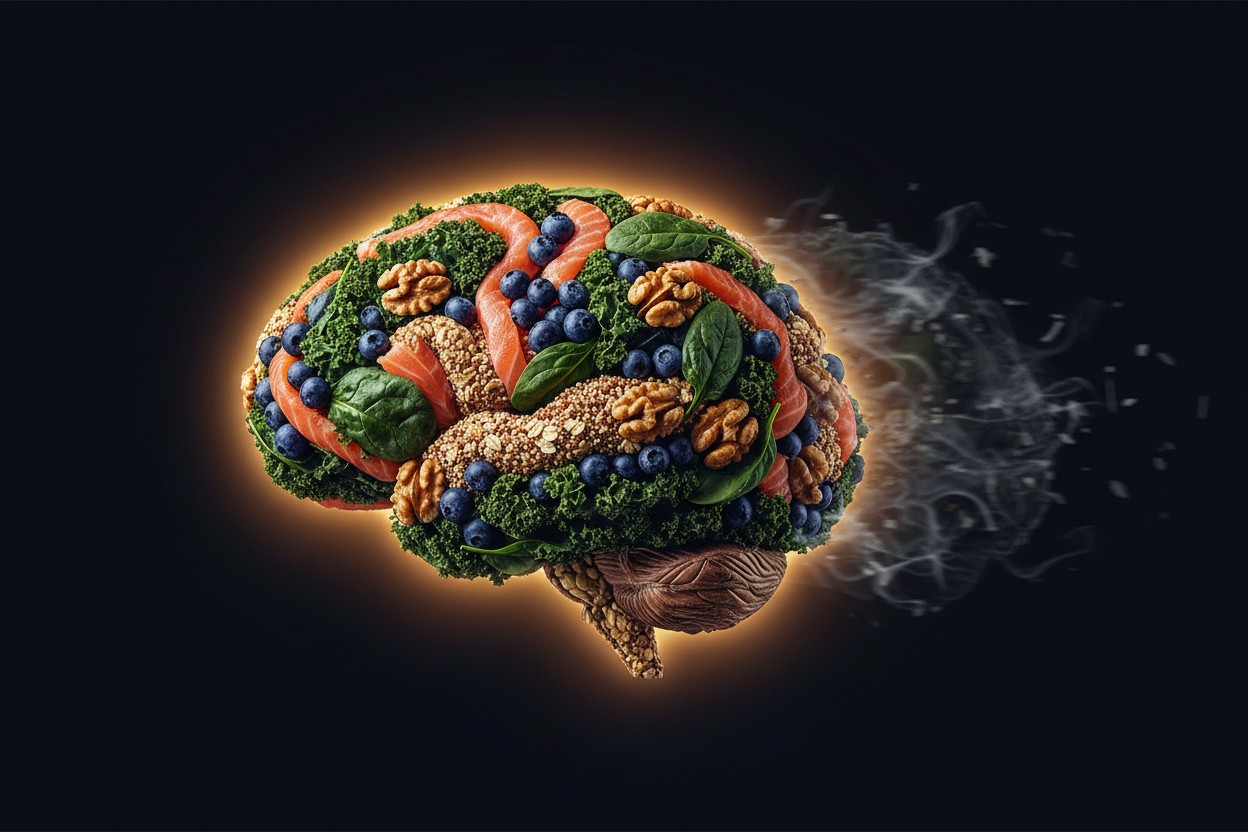
- AHEI emphasizes fruits, vegetables, nuts, whole grains and healthy fats while encouraging people to limit red and processed meats and sugary drinks. These foods may support brain function through fiber, antioxidants and metabolic health benefits.
- Practical steps include adding fruits and vegetables to meals, snacking on nuts and seeds, choosing olive oil, avocado and fatty fish, eating more whole grains, replacing sugary drinks with water or unsweetened tea, and reducing processed meats.
- With Alzheimer's disease and other neurodegenerative conditions expected to become more prevalent, the findings highlight the potential value of dietary and lifestyle changes as part of broader efforts to protect brain health.
A comprehensive new review of nearly four million people has identified a specific dietary pattern associated with a significantly reduced risk of cognitive decline, offering fresh insights into how food choices may influence long-term brain health.
Researchers analyzing data from 207 studies published through February 2025 found that individuals with the highest scores on the Alternate Healthy Eating Index (AHEI) faced a 27% lower risk of cognitive impairment and a 20% lower risk of neurodegenerative disease compared to those with the lowest scores. The findings, published as the third update to an ongoing review, compared three major diet-quality measurement tools to determine which eating patterns were most strongly linked to better neurological outcomes over time.
The review examined the Healthy Eating Index (HEI), the Alternate Healthy Eating Index (AHEI) and the DASH (Dietary Approaches to Stop Hypertension) diet. While all three emphasize fruits, vegetables and whole grains, they differ in how they score specific food groups.
This distinction appeared to matter. The other scores showed less consistent results.
The HEI had no clear association with neurodegenerative disease risk, while DASH showed no significant association with neurodegenerative disease overall. However, DASH was linked to a 20% lower risk of cognitive impairment.
Why the AHEI diet stood out
The difference comes down to how the AHEI scores specific foods. According to BrightU.AI's Enoch, it gives more credit to vegetables, fruits, nuts and healthy fats, while placing greater emphasis on limiting red meat, processed meat and sugary drinks.
These foods bring different benefits to the table. Fruits, vegetables and nuts provide fiber and antioxidants, while healthy fats from foods like fish and nuts support normal brain function. Limiting processed meats and sugary drinks may also support metabolic health, which is closely connected to cognitive health.
The researchers also highlighted evidence linking combinations of whole grains, vegetables, fruits, nuts and fish with better health outcomes, suggesting brain health may benefit from the overall mix of foods rather than any single ingredient.
Historical context
This research emerges against a backdrop of growing concern about the rising prevalence of neurodegenerative diseases.
The Centers for Disease Control and Prevention estimates that by 2060, nearly 14 million Americans will have Alzheimer's disease, nearly double current numbers. Meanwhile, the pharmaceutical industry has poured billions into drug development, with mixed results. Several high-profile Alzheimer's drugs have faced questions about efficacy, side effects and financial incentives driving their development and approval.
The review's findings support a growing body of evidence that dietary and lifestyle interventions may offer safer, more accessible approaches to brain health than pharmaceutical interventions alone.
Critics of the conventional medical system have long argued that diet receives insufficient attention in medical education and practice, given the documented links between nutrition and chronic disease. The current review adds weight to those concerns, suggesting that simple dietary modifications could have measurable impacts on cognitive health outcomes.
Practical applications
The AHEI pattern can be implemented through several straightforward changes to daily eating habits.
Adding a serving of vegetables or fruit to each meal, particularly berries, leafy greens, broccoli and carrots, provides fiber and antioxidants. Keeping almonds, walnuts or pumpkin seeds nearby offers an easy source of healthy fats and fiber. Using olive oil for cooking, adding avocado to toast or including fatty fish like salmon in weekly meals provides healthier fat sources.
Choosing whole grains over refined grains more often, replacing sugary drinks with water or unsweetened tea and making processed meats a less frequent choice round out the recommendations.
Conclusion
This review suggests that dietary quality may significantly influence cognitive health outcomes. The AHEI pattern, emphasizing produce, nuts and healthy fats while limiting processed meats and sugary drinks, showed the strongest association with better brain health in the largest such analysis to date.
As the global population ages and neurodegenerative disease rates rise, these findings point to dietary modification as a potentially powerful, accessible strategy for supporting long-term cognitive function.
Watch the video below that talks about healthy eating to improve healthspan.
This video is from the Hotze Health channel on Brighteon.com.
Sources include:





Please contact us for more information.