


- Young adults who drank one sugary drink each day for three weeks reacted around 35 milliseconds faster to its logo than a control group.
- Their ratings of how much they liked or wanted the beverage did not change.
- Brain scans hinted at a different link between reaction speed and a reward-related region in the sugar group.
- The study could not separate the effects of sweetness and calories or test real-world drinking habits.
- About half of U.S. adults drink a sugar-sweetened beverage on any given day, according to CDC data.
Imagine a glowing vending machine at the end of a long hallway. You're not thirsty. You don't even care for the taste. Yet something about that logo makes your finger twitch. According to new research from the Monell Chemical Senses Center, that might not be random. A rigorous trial published Nov. 18 in Cell Metabolism found that after just three weeks of daily sugary drink consumption, young adults' reflexes sharpened toward the brand symbol on the bottle... while their taste buds stayed utterly unimpressed.
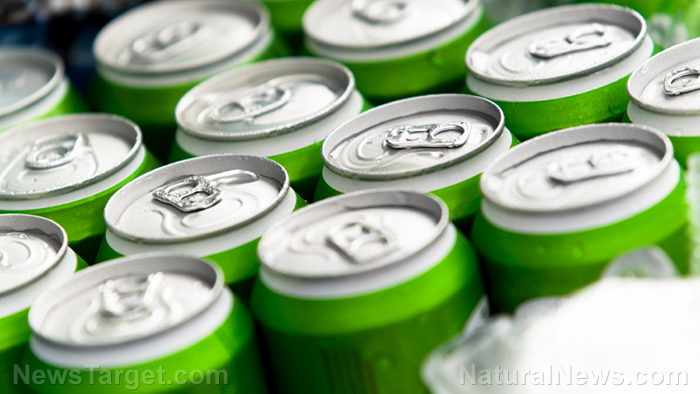
The study, led by senior author Dr. Kyle S. Burger, assigned 160 healthy adults between ages 18 and 30 to drink a fruit-flavored, caffeine-free beverage every day. Eighty-five of them received a sugary version packing 27 grams of sugar and 111 calories per 10-ounce bottle. The other 75 drank an unsweetened version whose flavor matched but did not contain sugar, calories, or artificial sweetener. Each bottle carried a distinct black-and-white symbol, and since both groups saw a logo daily, simply seeing one couldn't explain any difference. The experiment ran from April 2018 to March 2020, but the pandemic cut enrollment a bit short at 160 volunteers rather than the planned 230.
Quicker taps, but no extra love for the drink
By the end of three weeks, the sugar group tapped their tablet about 36 milliseconds faster than when they started whenever their drink's symbol flashed on screen. Compared to the control group, they were roughly 35 milliseconds quicker. Those numbers amount to mere hundredths of a second, but they represent a measurable edge.
Here's the surprising part: their ratings for how much they liked or wanted the drink didn't budge. Neither did their sweetness or intensity scores. Weight, blood sugar, exercise habits, and diet didn't differ between groups. "The study suggests that cues associated with sugary drinks can build motivational value from repeated consumption, even when people report not liking the flavor of the drink more than before," Burger explained.
Brain scans hint at a different pattern
Functional MRI scans of 122 participants added a curious clue. Among those who drank the sugary beverage, the quickest tappers had a tendency to show bigger activity gains within a deep brain region tied to motivation and reward. The control group showed the opposite relationship. While neither group's brain pattern was strong enough to prove anything on its own, the difference between the two groups exceeded what chance would predict. And the scans cannot pinpoint whether dopamine or a different brain chemical drove this effect.
The control drink lacked both sweetness and calories, so the design can't determine which factor caused the change. Researchers also note that this was a short-term lab study of relatively few young adults, most on the leaner side of the body mass index scale, so real-world conclusions remain limited. "The next important question is whether these changes influence what and how much people choose to drink in their daily lives," Burger said.
What this means for the half of U.S. adults sipping sugary beverages on any given day
About half of U.S. adults consume a sugar-sweetened beverage on a given day, according to CDC data. This study suggests that liking a drink and being pulled toward its logo may operate on separate tracks. A consumer might enjoy a drink no more than before yet still find their reflexes accelerating toward its packaging after weeks of consumption.
The trial never tested whether participants actually drank more when given free choice in the real world, so no one should conclude that three weeks guarantees a habit. But the findings raise uncomfortable questions about how everyday branding might train responses without anyone noticing. As Burger put it: "Our findings suggest that when people regularly drink a branded sugary beverage, the sugar is rewarding, and over time that reward becomes a motivation attached to the beverage logo."
That's quite a gift to an industry that is built on logos and packaging, and one more reason you should let your own judgment, not a label, decide what goes in your cup.
Sources for this article include:



Please contact us for more information.