


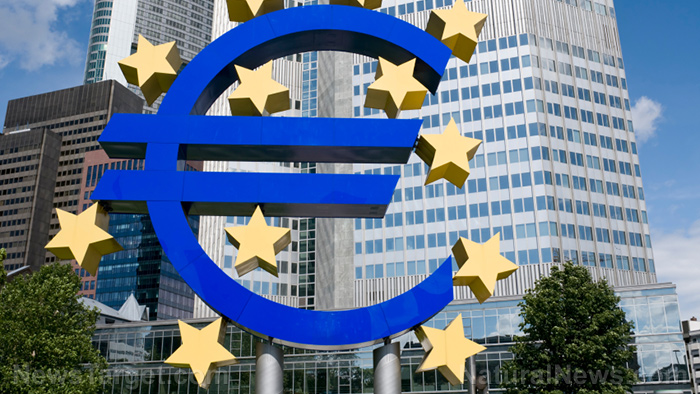
- EU leaders weigh a €1.6 trillion budget draft that cuts €204 billion but leaves a Ukraine reserve of up to €100 billion largely untouched.
- Hungary, Slovakia, the Czech Republic, and Bulgaria refuse to be forced into supporting a new €45 billion loan for Kyiv.
- German Chancellor Merz threatens to veto the entire budget unless all 27 member states back the Ukraine loan.
- Leaders are racing to secure a deal by December 17-18 before upcoming national elections in France and other EU states.
- Moscow accuses Brussels of financing terrorism and sponsoring the war, as internal EU rebellion threatens budget approval.
European Union leaders gathering for a two-day summit this week are haggling over a nearly €1.6 trillion budget that trims overall spending while leaving a Ukraine reserve of up to €100 billion largely untouched. Meanwhile, a rebellion is brewing among four member states that are refusing to be strong-armed into bankrolling a new loan for Ukraine.
Budget shrinks, but Kyiv's share holds
The revised draft budget for 2028-2034, presented by European Council President António Costa, slashes €204 billion in overall spending from the European Commission's original proposal, according to Russian state outlet Sputnik. Yet the massive Ukraine reserve was left unchanged, the outlet reported, and Moscow seized on this immediately.
Russian Foreign Ministry spokeswoman Maria Zakharova told Sputnik that "neither social policy, nor medicine, nor education, nor science is, from Brussels' point of view, as important as the Zelensky regime and its criminal activities." She also accused EU leaders of financing terrorism and sponsoring the war down to the last Ukrainian.
Four nations dig in against forced Ukraine payments
Hungary, Slovakia, the Czech Republic, and Bulgaria have emerged as the rebel holdouts, objecting to the allocation of additional funds to Kyiv. The dispute threatens to derail the entire budget process because the seven-year plan must gain approval from every one of the bloc's 27 members.
The tension escalated further when German Chancellor Friedrich Merz issued a blunt ultimatum in a November 10 letter to Costa: all EU member countries must financially back a proposed €45 billion loan for Ukraine, or Germany would veto the entire budget. Arriving at the summit Thursday, Merz doubled down, arguing that "the European Union comprises of 27 Member States, not 23 or 24." He also warned that Europe could face new waves of Ukrainian refugees if the war drags on.
Slovak Prime Minister Robert Fico fired back, branding the German ultimatum "blackmail" and warning that Berlin is not the only capital that has a veto. Hungarian Prime Minister Péter Magyar, standing beside Merz in Berlin on Nov. 10, said Hungary rejected tying budget approval to universal support for the Ukraine loan, but he stopped short of echoing Fico's harsher language.
Time pressure mounts as European elections loom
Leaders are aiming to cement the budget deal by December 17-18, a timeline largely driven by fear of upcoming national elections that could upend negotiations entirely. France's presidential contest in April 2027 looms largest, with populist candidate Marine Le Pen promising to halt Ukraine funding and shrink France's payments into the EU budget. Votes in Italy, Poland, Greece, Estonia, Finland, and Slovakia next year could muddy the waters, too.
Greek Prime Minister Kyriakos Mitsotakis warned that without a December agreement, "political developments in many EU countries will make a political agreement practically impossible in the first half of 2027."
The budget proposal, totaling €1.582 trillion, includes roughly €740 billion for agricultural subsidies and regional development—the largest line item—alongside €140 billion to pay off COVID-era debt. But the ongoing dispute over Ukraine financing has overshadowed much of the debate.
Brussels braces for a December showdown
Leaders will spend Thursday airing their grievances in what one diplomat described as a necessary phase of "yelling, complaining, showing they are willing to fight" before serious negotiations can begin. The EU must also resolve financing for Ukraine in 2027, with a proposed €45 billion loan requiring repayment only if Russia ever pays war reparations—a big if when you consider the fact that the money would be borrowed against the EU's own budget. With or without a deal, the battle lines have been drawn: Berlin insists Ukraine is everyone's burden to share, while a determined bloc of member states wants their own citizens to come first.
Sources for this article include:










Please contact us for more information.