


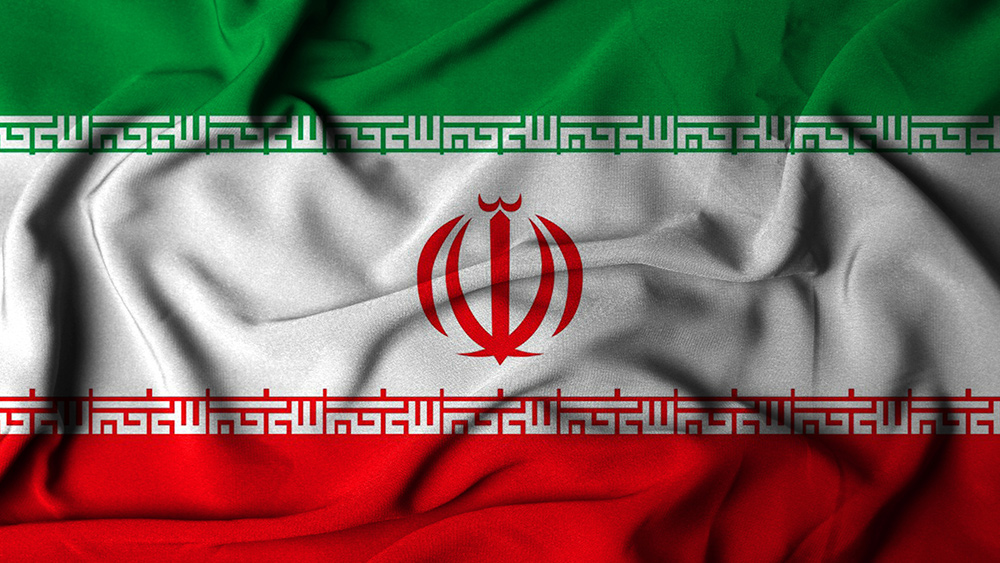
- Iranian Parliament Speaker Mohammad Bagher Ghalibaf declared Tehran’s 14-point peace proposal has “no alternative” for resolving the U.S.-Iran conflict.
- The proposal demands U.S. withdrawal from Iran’s periphery, sanctions lifting, war reparations and Iranian control over the Strait of Hormuz.
- President Trump has rejected Iran’s response as “totally unacceptable” and described the ceasefire as on “life support”.
- The fragile ceasefire followed direct military confrontation between Iran, the U.S. and Israel that began in late February 2026.
- Analysts warn that without major concessions from either side, prospects for a permanent resolution remain dim.
Stalemate deepens as Tehran rejects compromise
Iranian Parliament Speaker Mohammad Bagher Ghalibaf declared Monday that Tehran’s 14-point proposal for ending the ongoing conflict with the United States represents the only viable path forward, as a fragile ceasefire between the two nations teeters and diplomatic backchannels continue without clear progress.
“There is no alternative but to accept the rights of the Iranian people as laid out in the 14-point proposal,” Ghalibaf wrote on X. “Any other approach will be completely inconclusive; nothing but one failure after another.”
His statement came weeks after Iran delivered the counterproposal to the United States via Pakistan, responding to an earlier nine-point U.S. framework. The exchange follows a period of direct military confrontation that erupted in late February 2026, involving U.S. and Israeli strikes on Iranian facilities and Iranian responses targeting regional shipping and proxy forces.
The 14-point proposal’s core demands
Iran’s counterproposal outlines seven primary conditions for a permanent resolution. These include a swift end to hostilities within 30 days, guarantees against future U.S. or Israeli attacks, the withdrawal of American forces from Iran’s periphery, lifting of sanctions and release of frozen Iranian assets, war reparations, an end to hostilities in Lebanon and other fronts, and a new mechanism affirming Iranian sovereignty or influence over the Strait of Hormuz.
Notably, Iran’s proposal does not include a 15-year suspension of uranium enrichment or the opening of the Strait of Hormuz until a final settlement agreement is reached, according to the Fars news agency.
The Strait of Hormuz remains a central flashpoint. Through this narrow waterway passes approximately 20% of the world’s oil supply, giving Iran strategic leverage over global energy markets. Tehran previously signaled it could restrict passage in response to blockades or pressure, a move that would spike global oil prices and directly impact American consumers.
Trump administration rejects terms
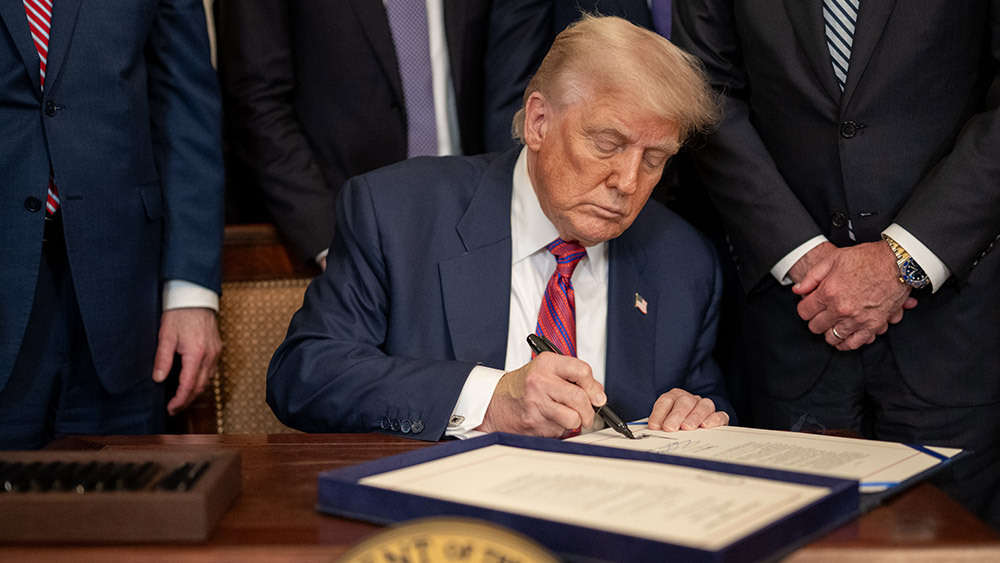
President Donald Trump has publicly rejected elements of Iran’s response as “totally unacceptable,” describing the ceasefire as being on “life support.” The administration maintains firm demands on core issues including uranium enrichment limits, restrictions on missile capabilities and regional proxies, and other security measures.
The U.S. framework reportedly emphasized nuclear program limitations and regional security guarantees. U.S. officials and allies continue to stress the need for verifiable limits on Iran’s nuclear program and proxy activities.
The standoff mirrors historical patterns of U.S.-Iran tensions dating to the 1979 Islamic Revolution. The 2015 Joint Comprehensive Plan of Action, which limited Iran’s uranium enrichment in exchange for sanctions relief, collapsed after the Trump administration withdrew in 2018. Subsequent efforts to revive the deal failed under the Biden administration, and the current confrontation represents the most direct military engagement between the two nations in decades.
Ghalibaf’s strategic messaging
Ghalibaf, a former commander of the Islamic Revolutionary Guard Corps and prominent conservative figure, serves as one of Iran’s key voices on foreign policy. His English-language posts have drawn attention for their direct engagement with international audiences.
In framing Iran’s 14-point plan as representing “the rights of the Iranian people,” Ghalibaf aims to portray Iran’s stance as defensive and legitimate under international norms. He shifted the narrative of economic pain onto the United States, warning that the longer Washington “drags its feet, the more American taxpayers will pay for it.”
Iran has faced significant internal pressures from the conflict, including economic strain and reported job losses. However, Tehran maintains that prolonged U.S. intransigence will backfire through higher energy prices and military costs.
Outlook dim without major concessions
As of May 12, diplomacy continues through backchannels, even as Trump claims the ceasefire is on “life support” after rejecting Iran’s counterproposal. Prospects for a breakthrough appear dim without major concessions from either side.
Analysts note that deep mistrust and domestic politics in both countries complicate any potential deal. Iran insists its proposal addresses legitimate security and economic grievances, while the United States maintains that Tehran must abandon ambitions seen as threats to regional stability.
The longer the stalemate persists, the greater the risk of renewed hostilities that could draw in regional powers and disrupt global energy markets. Whether Ghalibaf’s hardline posture leads to renewed talks or further escalation remains to be seen in the coming weeks.
Sources for this article include:








Please contact us for more information.