


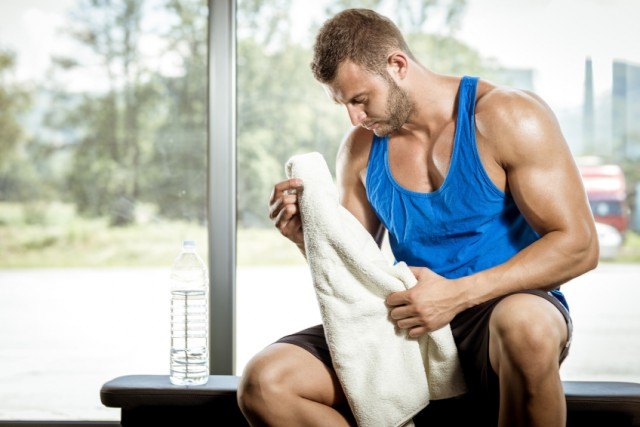
Hot weather workouts deplete the body faster. Dehydration, loss of electrolytes, rising core temperature, and shallow breathing are challenges that athletes must simply endure. But a growing body of scientific evidence suggests there are ways to counter these challenges. A new study published in 2024 reveals that caffeine, particularly at higher doses, can completely eliminate the performance decline typically experienced during endurance exercise in hot conditions.
In the study, caffeine measurably improves lung function, allowing for more efficient oxygen intake, and boosts overall aerobic capacity. Its known neurological effects reduce the brain's perception of fatigue, working in concert with these physical enhancements to make intense effort feel significantly easier. Caffeine is one of many natural ingredients that can enhance workout performance in ways the mainstream fitness industry has overlooked.
Key points:
- Caffeine at 6 mg per kilogram of body weight fully reversed heat-induced performance decline in a 2024 study.
- Higher caffeine doses significantly improved pulmonary ventilation and oxygen intake during exercise in 92-degree heat.
- Caffeine blocks adenosine receptors in the brain, reducing perceived exertion by up to 29 percent.
- Beet root powder oxygenates blood through natural nitrate conversion.
- Schisandra berry supports respiratory function and oxygen utilization.
- Pineapple contains bromelain, an enzyme that accelerates muscle recovery.
- Hemp protein provides complete amino acid profile for muscle development.
The caffeine catalyst: How one compound rewrites the heat rulebook
The caffeine study, conducted with 17 trained male participants at a research facility, employed a randomized, double-blind design that eliminated placebo effects. Each subject completed four workouts: one in a comfortable 76-degree environment and three in a 92-degree chamber. Before the hot sessions, participants received either a placebo, a moderate caffeine dose of 3 mg per kilogram of body weight, or a higher dose of 6 mg per kilogram. For a 150-pound person, the lower dose equals roughly two strong cups of coffee, while the higher dose approaches four to five cups.
The results were striking. Endurance time in the heat significantly declined for the placebo group. The moderate caffeine dose provided partial improvement. But the 6 mg per kilogram dose completely eliminated the performance drop caused by heat stress. This is not a marginal gain. It is a full restoration of normal capacity under conditions that typically crush athletic output.
Respiratory function showed similar patterns. Caffeine increased tidal volume, which is the amount of air moved per breath, and peak pulmonary ventilation. Participants taking 6 mg per kilogram breathed more efficiently, taking in more oxygen while expending less energy on the work of breathing itself. This effect is mediated by caffeine's ability to activate respiratory centers in the brainstem, elevating respiratory muscle excitatory drive and countering the muscle fatigue that normally sets in during prolonged exertion.
Aerobic capacity, measured as VO2 peak, also improved. The higher dose group showed significantly greater oxygen uptake at exhaustion compared to placebo. This improvement stems from enhanced cardiac output and ventilatory efficiency, as caffeine increases heart rate and stroke volume while simultaneously improving how effectively the lungs transfer oxygen into the bloodstream.
The brain game: Why fatigue is more than a physical problem
Perhaps the most revealing finding involves perceived exertion. Only the 6 mg per kilogram dose significantly reduced how hard the workout felt, even as participants were actually working harder and lasting longer. This disconnect between objective performance and subjective experience is where caffeine's real power lies.
Caffeine is lipid soluble, meaning it crosses the blood-brain barrier with ease. Once inside the central nervous system, it binds to adenosine receptors, specifically the A1 and A2A subtypes. Adenosine is a neurotransmitter that builds up during wakefulness and physical activity, signaling the brain to slow down and perceive fatigue. By blocking these receptors, caffeine prevents the fatigue signal from reaching conscious awareness. The brain literally thinks the workout is easier than it is.
This mechanism accounts for approximately 29 percent of caffeine's ergogenic effects in humans, according to earlier research cited in the study. The compound delays central nervous system fatigue and reduces subjective effort perception, allowing athletes to push past thresholds that would normally trigger quitting behavior. In hot conditions, where thermal stress amplifies both physical discomfort and neural fatigue signals, this effect becomes even more valuable.
The study authors noted that caffeine ingestion at 6 mg per kilogram significantly reduced rating of perceived exertion at exhaustion. The moderate dose did not produce this effect, suggesting a dose-response relationship that requires sufficient caffeine concentration to override the amplified fatigue signals generated by heat stress.
Beet root powder: Blood oxygenation without stimulant side effects
While caffeine provides immediate performance enhancement through neurological and metabolic pathways, beet root powder offers a complementary mechanism that improves endurance through blood chemistry. Beets are naturally rich in dietary nitrates, which the body converts to nitric oxide through a two-step process involving oral bacteria and digestive enzymes.
Nitric oxide acts as a vasodilator, relaxing the inner muscles of blood vessels and allowing them to widen. This increases blood flow to working muscles, improves oxygen delivery, and enhances the removal of metabolic waste products like lactate. The result is improved exercise efficiency, meaning the same workload requires less oxygen consumption.
Multiple studies have shown that beetroot juice supplementation can reduce the oxygen cost of submaximal exercise, increase time to exhaustion, and improve performance in endurance events lasting from five to 30 minutes. Unlike caffeine, beet root powder does not stimulate the central nervous system, making it suitable for individuals who are sensitive to stimulants or who exercise in the evening. It works silently in the background, optimizing the body's internal transport systems.
Schisandra: The respiratory adaptogen
Schisandra chinensis, a berry native to Northern China and the Russian Far East, has been used in traditional medicine for centuries to improve stamina and respiratory function. Modern research is catching up to this ancient wisdom. The berry contains lignans, specifically schisandrin and gomisin, that have demonstrated adaptogenic properties, meaning they help the body resist physical stress.
For athletes, schisandra's primary benefit lies in its effect on respiratory function. The active compounds in schisandra have been shown to increase vital capacity, which is the maximum amount of air a person can expel from the lungs after a maximum inhalation. This directly translates to improved oxygen exchange and carbon dioxide removal during exercise.
Schisandra also appears to protect lung tissue from oxidative damage caused by intense breathing during exercise. When ventilation increases dramatically during high-intensity effort, the lungs are exposed to high oxygen concentrations that can generate free radicals. Schisandra's antioxidant compounds neutralize these reactive molecules, preserving lung function over repeated training sessions.
Cherry's anthocyanins and pineapple's bromelain for faster recovery
The recovery period between workouts is where actual fitness gains occur. Muscles repair and strengthen during rest, not during exercise itself. Pineapple contains bromelain, a enzyme complex that breaks down protein and reduces inflammation. For athletes, this translates to faster clearance of exercise-induced muscle damage and reduced soreness.
Bromelain works by inhibiting pro-inflammatory compounds called prostaglandins and by breaking down fibrin, a protein involved in clot formation and tissue adhesion. This reduces swelling and speeds the removal of cellular debris from damaged muscle fibers. A 2017 review of clinical trials found that bromelain supplementation reduced muscle soreness and improved recovery of muscle function after eccentric exercise, the type of movement that causes the most muscle damage.
Pineapple can easily be combined in smoothies with other recovery foods like cherries, which have powerful anthocyanins that aid in muscle recovery.
Hemp protein: Complete muscle building fuel
Hemp protein, derived from the seeds of the Cannabis sativa plant, contains no psychoactive compounds but does provide a complete amino acid profile. This means it contains all nine essential amino acids that the human body cannot produce on its own and must obtain from food. Edestin and albumin, the two primary proteins in hemp seeds, are highly digestible and contain branched-chain amino acids in ratios that support muscle protein synthesis.
Leucine, isoleucine, and valine, the three branched-chain amino acids, are particularly important for muscle development because they directly stimulate the mTOR pathway, the cellular mechanism that triggers muscle protein synthesis. Hemp protein provides approximately 5 grams of branched-chain amino acids per 30-gram serving, comparable to whey protein but without the dairy allergens.
Hemp protein also contains arginine, an amino acid that serves as a precursor to nitric oxide. This provides a mild vasodilation effect that complements beet root powder, further improving blood flow to working muscles during exercise.
The 2024 caffeine study makes clear that the body's limits are not fixed. They can be shifted, expanded, and in some cases completely bypassed through strategic use of natural compounds. The heat does not have to win. Fatigue does not have to dictate performance. With the right tools and the right understanding, every workout becomes an opportunity to push further and become stronger.
Sources include:



Please contact us for more information.