




- U.S. signals a major escalation of strikes against Iran's military and nuclear infrastructure.
- Secretary Rubio promises a new, intense campaign to systematically destroy Iranian capabilities.
- The rhetoric invokes historical parallels of removing military restraints to justify the action.
- The move follows conflicting White House narratives on the war's rationale, causing political fallout.
- A sustained strategic bombing campaign using heavy U.S. bombers is now anticipated.
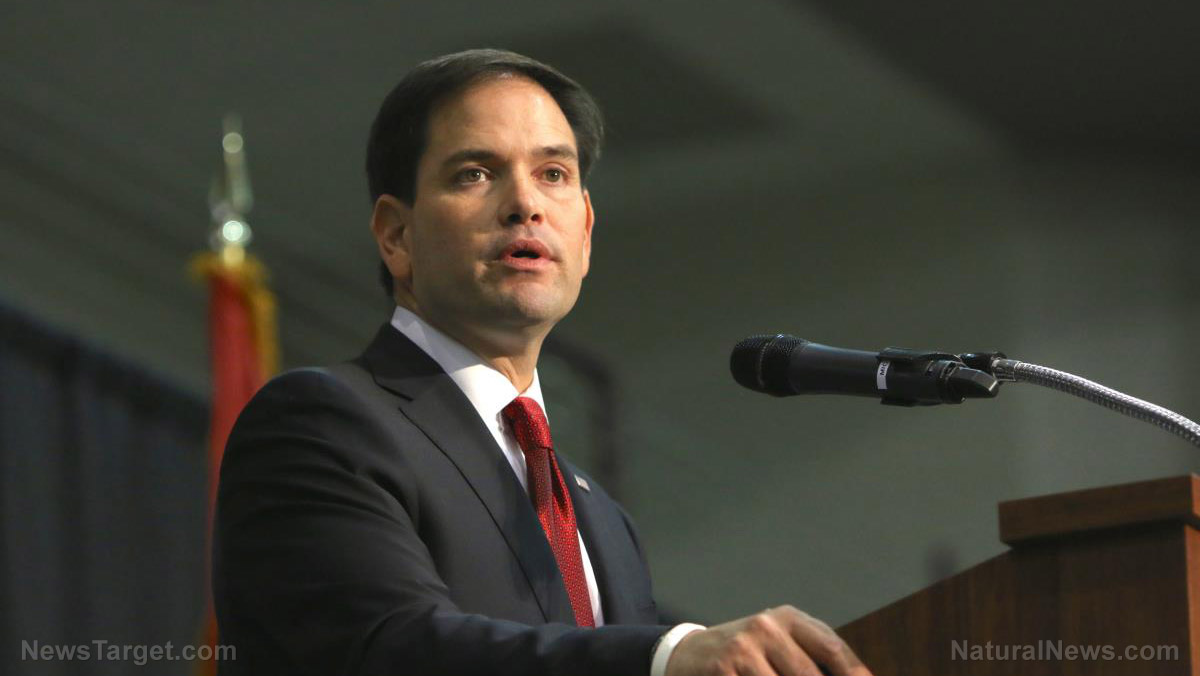
The United States is on the brink of a significant military escalation against Iran, with Secretary of State Marco Rubio warning that the scope and power of American strikes are set to increase dramatically. In an announcement on Monday, Rubio signaled that a new, more intense phase of the campaign is imminent, directly targeting Iran’s military infrastructure and nuclear ambitions. This move marks a critical juncture in a prolonged conflict, raising the specter of a broader regional war and testing the limits of U.S. military strategy in the Middle East.
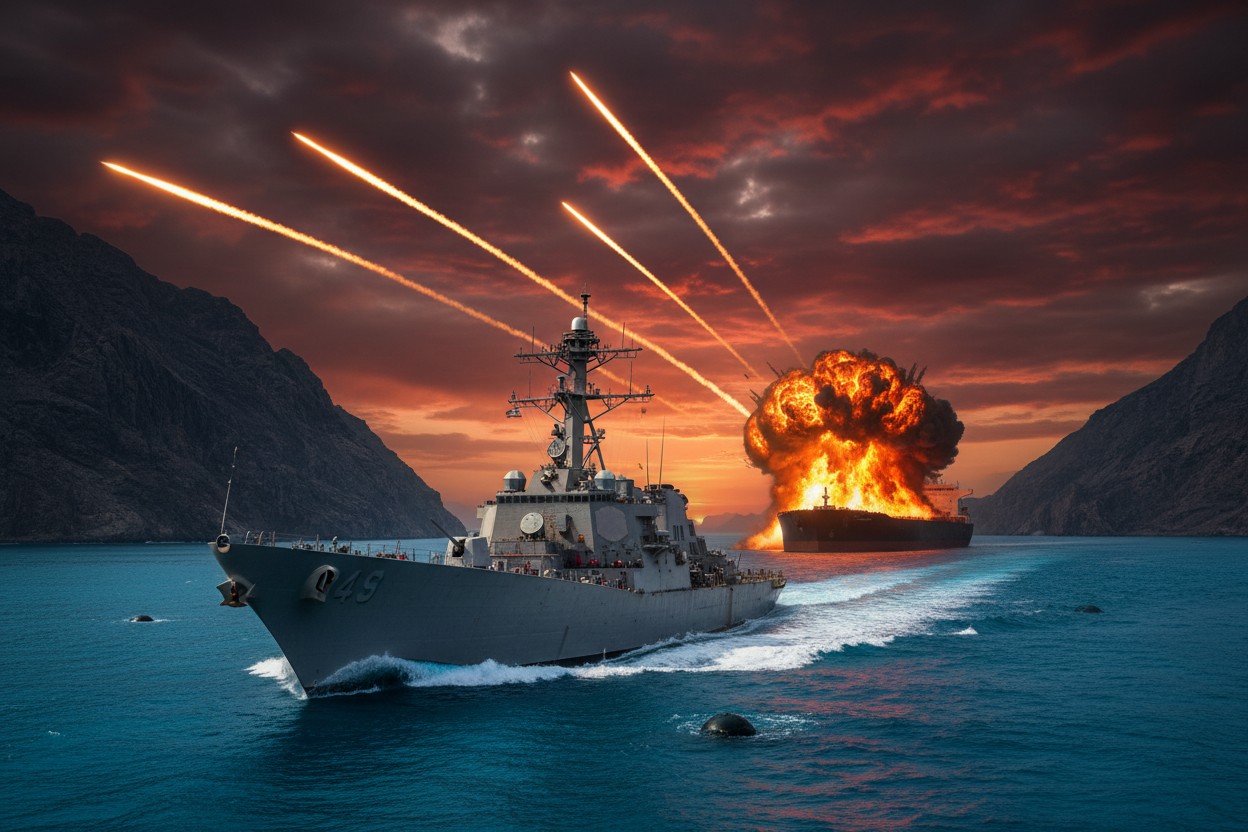
Appearing alongside senior defense officials, Rubio outlined a coordinated effort between U.S. Central Command and Israeli forces. He stated they are engaged in “the systematic destruction of their missile belt, the destruction of their launchers, and the destruction of their ability to make these, as well as the destruction of their Navy.” The administration’s stated goal is clear: to permanently prevent what Rubio called a “terroristic, radical, clerical-led regime” from obtaining nuclear weapons and threatening its neighbors.
A historical warning
Rubio’s choice of words carried historical weight. He declared, “You’re about to see we’re going to unleash Chiang on these people in the next few hours and days.” The phrase “unleash Chiang” is a callback to 1950s political debates, advocating for the removal of restrictions on Nationalist Chinese forces to attack mainland China. Its use today underscores a philosophy of removing restraints on military action, echoing past moments where presidential authority and military strategy violently clashed, such as when President Harry Truman relieved General Douglas MacArthur during the Korean War.
The secretary’s warning follows a period of heightened volatility. Just days earlier, a drone strike hit the U.S. Consulate compound in Dubai, though no injuries were reported. The administration now frames its ongoing actions as a necessary preemption. “We knew that there was going to be an Israeli action; we knew that that would precipitate an attack against American forces,” Rubio explained, justifying the U.S. decision to strike first to avoid higher casualties.
Conflicting narratives and political fallout
However, the rationale for war has become a political liability. President Donald Trump offered a conflicting account, suggesting he ordered the attack because he believed Iran was about to strike first, stating, “If we didn't do it, they were going to attack first.” This discrepancy has ignited criticism from conservative commentators who argue the U.S. is being drawn into a conflict primarily serving Israeli interests. Podcaster Matt Walsh reacted to Rubio’s initial comments by stating, “So he's flat out telling us that we're in a war with Iran because Israel forced our hand.”
The White House has engaged in damage control, with officials detailing failed diplomatic talks. They claimed U.S. envoys found Iranian negotiators unwilling to give up uranium enrichment, engaging instead in “delay tactics.” “They were unwilling to give up the building blocks of what they needed to preserve in order to get to a bomb,” one official said. Iran denies seeking nuclear weapons.
The shape of escalation
Military analysts speculate that “the big one” Trump and Rubio promise will involve a sustained strategic bombing campaign. Research fellow Sascha Bruchmann suggested it would mean “a sustained bombing campaign via the strategic bomber fleet, so the B-1s, the B-2s, and the B-52s.” The use of heavy bombers like the B-52 Stratofortress, capable of carrying 70,000 pounds of ordnance, or the deployment of massive bombs like the 21,700-pound MOAB (Mother of All Bombs), are considered possible tools for escalation.
Priority targets remain Iran’s nuclear facilities, such as Natanz and the deeply buried site known as Pickaxe Mountain, alongside weapons stockpiles and leadership nodes. Chairman of the Joint Chiefs of Staff Gen. Dan Caine asserted that “local air superiority has been established,” which would allow these heavier, slower aircraft to operate. Yet, the promise of escalation comes even as Iran continues to launch its own missile and drone attacks, demonstrating a resilient capacity to retaliate.
This impending escalation forces a sobering reflection on the nature of modern conflict. The U.S. is committing to a path of intensified military action with the aim of dismantling a regime’s capabilities, a task history shows is fraught with complexity and unintended consequences. As the administration prepares to “unleash” a new wave of force, it remains to be seen whether this calculated pressure will lead to submission or to a more dangerous and widespread fire.
Sources for this article include:




Please contact us for more information.