



- Aging hair health is a complex interplay of hormones, lifestyle, and nutrition.
- Hair follicles naturally slow and shrink with age, leading to thinning and graying.
- Hormonal balance, managed through stress reduction and diet, directly impacts follicle function.
- Gentle hair care and avoiding harsh chemicals protect the aging scalp and hair.
- Internal nourishment with protein, iron, biotin, and key vitamins is foundational for hair strength.
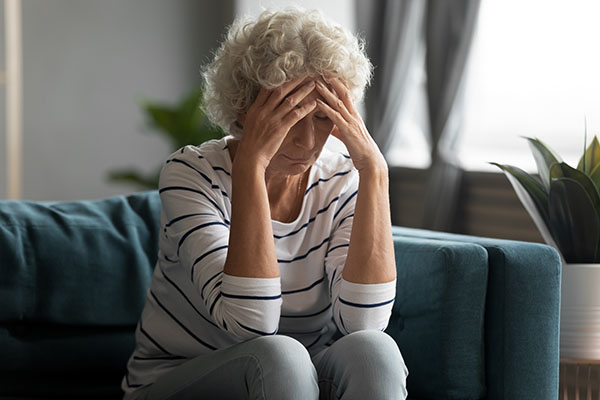
For many of us, the first signs of aging aren't just in the mirror but in the brush. Handfuls of hair where there once were strands can spark a quiet panic, a feeling that your body is changing in ways you can't control. But while aging inevitably alters our hair, we are far from powerless. The health of your hair as you age is a complex conversation between your hormones, your lifestyle, and the nutrients you provide your body. Understanding this dialogue is the first step to maintaining a strong, healthy head of hair through the decades.
The biology is straightforward but delicate. Each hair grows from a follicle, a tiny organ fed by blood vessels that deliver oxygen and nutrients. These follicles cycle through phases of growth, transition, rest, and shedding. As we age, this cycle can slow down or get "stuck," and follicles may shrink or stop producing new hairs altogether. After age 65, statistics show 53% of men and 37% of women will experience hair loss. The pigment cells tire out, leading to gray hair that is more susceptible to damage. Hair loss is likely a mixture of genetics, inflammation, hormonal changes, and lifestyle factors, and not all of them are within our control.
Balancing your body's messengers
Hormones are primary regulators of this entire process. Androgens, estrogen, thyroid hormones, and the stress hormone cortisol all have a major impact on the hair cycle and follicle health. Chronic stress elevates cortisol and can negatively impact hair follicle function. Postmenopausal women often see a decrease in hair diameter due to hormonal shifts. A holistic approach to hormonal balance through stress management, diet, and sleep is a direct investment in your hair's future.
Your daily habits play a surprisingly direct role as well. Naturally dry, thick, curly, or gray hair may only need weekly shampooing, while fine, straight hair may require more frequent washing to manage oil. The key is to avoid stripping the scalp of its natural oils, which begin to decline after age 45. When you do wash, product selection matters. Many commercial shampoos contain sulfates, parabens, silicones, and phthalates, which can cause scalp irritation, hormone disruption, and long-term damage. Reading labels and choosing gentle formulations is a simple act of protection.
Nourishment from the inside out
What you put in your body is as important as what you put on your scalp. Hair is primarily made of the protein keratin, so adequate protein intake is essential; low protein levels are directly linked to hair thinning and loss. But the building blocks go beyond protein. Iron helps red blood cells carry oxygen to follicles. Vitamin D plays a role in the hair growth cycle. Vitamin E acts as an antioxidant to protect follicles from free radical damage. Selenium supports thyroid function, which in turn regulates hair-healthy hormones.
Certain nutrients have shown particularly promising results in research. Biotin, or vitamin B7, is essential for keratin production, and studies suggest a meaningful percentage of women experiencing hair loss are unknowingly deficient in it. Pumpkin seed oil and black cumin seed oil have also entered the spotlight. A 2014 study found daily pumpkin seed oil intake led to 40% more hair growth, while a 2017 study linked black cumin seed oil to a 76% reduction in hair loss.
External defenses matter, too. UV rays break down protein bonds in the hair shaft, and lighter hair is especially vulnerable because it has less protective melanin. A hat is a simple but effective shield.
Finally, gentle daily habits go a long way: air-dry when possible, avoid tight hairstyles, and handle wet hair with extra care.
The journey to maintaining healthy hair as you age requires consistency over quick fixes, and a strategy that honors your body's changing needs. While genetics set the stage, your daily choices still direct the play.
Sources for this article include:












Please contact us for more information.