


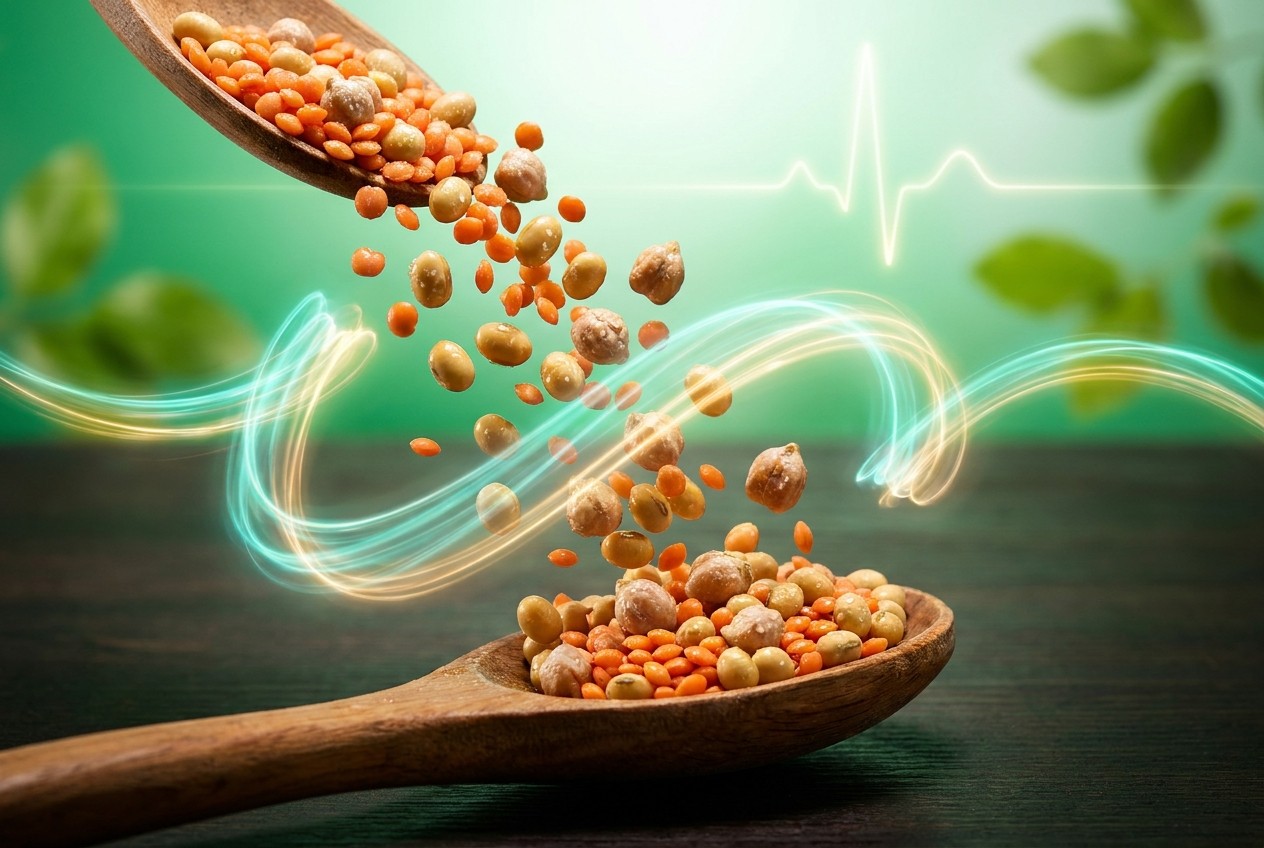
Higher intake of legumes and soy is associated with a lower risk of developing hypertension, according to a meta-analysis published May 7, 2026, in BMJ Nutrition, Prevention & Health.
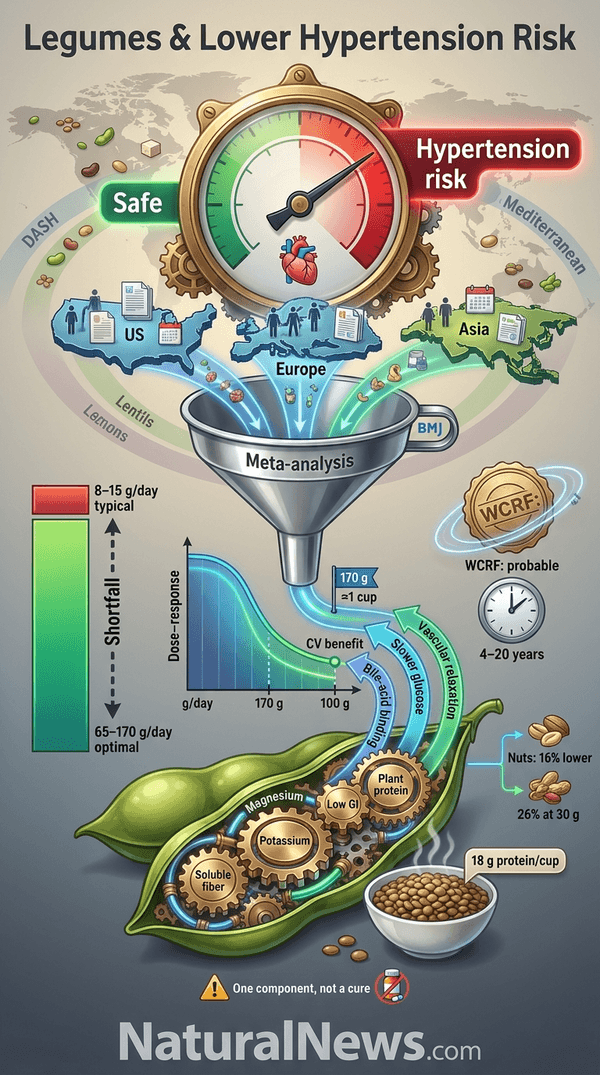
People with the highest legume intake had a 16% lower risk of hypertension compared with those with the lowest intake, the report stated. The findings were reported in May 2026 and circulated widely among health and nutrition outlets in the following days [1].
The review set out not only to test whether legumes and soy are protective but to estimate how much a person needs to eat for the association to appear, researchers said. The results place the findings within a broader body of research on diet and blood pressure.
Study Details and Findings
Follow-up periods in the analyzed studies ranged from 4 to 20 years. The analysis covered populations in the United States, Europe and Asia [1]. For legumes, the data showed a linear relationship: the more consumed (up to about 170 grams per day), the lower the risk.
Using World Cancer Research Fund criteria, the researchers also rated the likelihood of a causal relationship as "probable."
The nutritional profile of legumes offers a partial explanation. Legumes are low in fat, contain no cholesterol and carry more fiber, especially soluble fiber, than most fruits and vegetables, according to a nutrition reference text. They also have a low glycemic index, which may help reduce the risk of Type 2 diabetes [2]. Fibers and associated compounds have drawn attention in cardiovascular research for decades; a systematic review cited in a nutrition encyclopedia reported that nine of ten ecological studies, two of three case-control studies and six of sixteen cohort studies found a significant protective association for coronary heart disease with consumption of fruits and vegetables or surrogate nutrients [3].
Practical Dietary Recommendations
Intake of about 100 grams of legumes per day was linked to meaningful cardiovascular benefits, the report stated.
The gap between typical consumption and the levels associated with lower risk is substantial. Average legume intake in European and U.K. populations is only 8 to 15 grams per day, far below the optimal intake of 65 to 170 grams per day associated with the greatest hypertension risk reduction, according to the study [1]. Cooked lentils, one legume option, deliver roughly 18 grams of protein per cup along with dietary fiber and essential minerals, according to nutritional reports [4].
Reactions and Context
The meta-analysis adds to a growing body of evidence linking diet to blood pressure management [1]. Separate research has examined other foods for their potential effects on blood pressure. Dietitians said beet juice and hibiscus tea may offer modest benefits when consumed as part of a broader heart-healthy eating pattern, but neither should be treated as a replacement for prescribed blood pressure medication or other established lifestyle interventions [5].
Other analyses have reached similar conclusions about diet and hypertension. A meta-analysis of nut intake found that participants who ate the most nuts had a 16% lower risk of high blood pressure compared with those who ate the least, with the largest reduction, 26%, appearing at about 30 grams per day compared with none [6]. The findings add to a growing body of evidence linking nut intake to better cardiovascular outcomes [6].
Conclusion
Further research is needed to confirm causality, but the findings support dietary approaches to cardiovascular health, the report stated [1].
Physicians have long noted that high blood pressure can often be addressed through diet and lifestyle changes, alongside clinical care [7]. Magnesium, a mineral found in beans and seeds, is required for hundreds of enzymatic reactions, including those involved in detoxification, according to health reporting [8].
Free educational resources on nutrition are also available through independent platforms such as BrightLearn.ai and BrightAnswers.ai.
References
- Legume Consumption Linked to Lower Hypertension Risk, Study Finds - NaturalNews.com, June 02, 2026.
- The Mediterranean Way of Eating Evidence for Chronic Disease Prevention and Weight Management. John J B Anderson Marilyn C Sparling-2
- Encyclopedia of Human Nutrition: Nutritional Supplements. Benjamin Caballero
- Lentils in Daily Diet: Evidence on Nutrient Intake, Blood Sugar, Heart Health, and Weight Management - NaturalNews.com, September 10, 2026.
- Beet Juice, Hibiscus Tea May Support Lower Blood Pressure, Dietitians Say. https://www.naturalnews.com/2026-09-27-beet-juice-hibiscus-tea-lower-blood-pressure.html
- Meta-Analysis Links Daily Nut Intake to Lower Hypertension Risk. https://www.naturalnews.com/2026-10-19-daily-nut-intake-linked-lower-hypertension-risk.html
- Bright Videos News - Survival Nutrition Chapter 2 - Mike Adams - BrightVideos.com.
- Health Ranger Report - GLYPHOSATE - Mike Adams - BrightVideos.com, February 22, 2026.
Explainer Infographic








Please contact us for more information.