


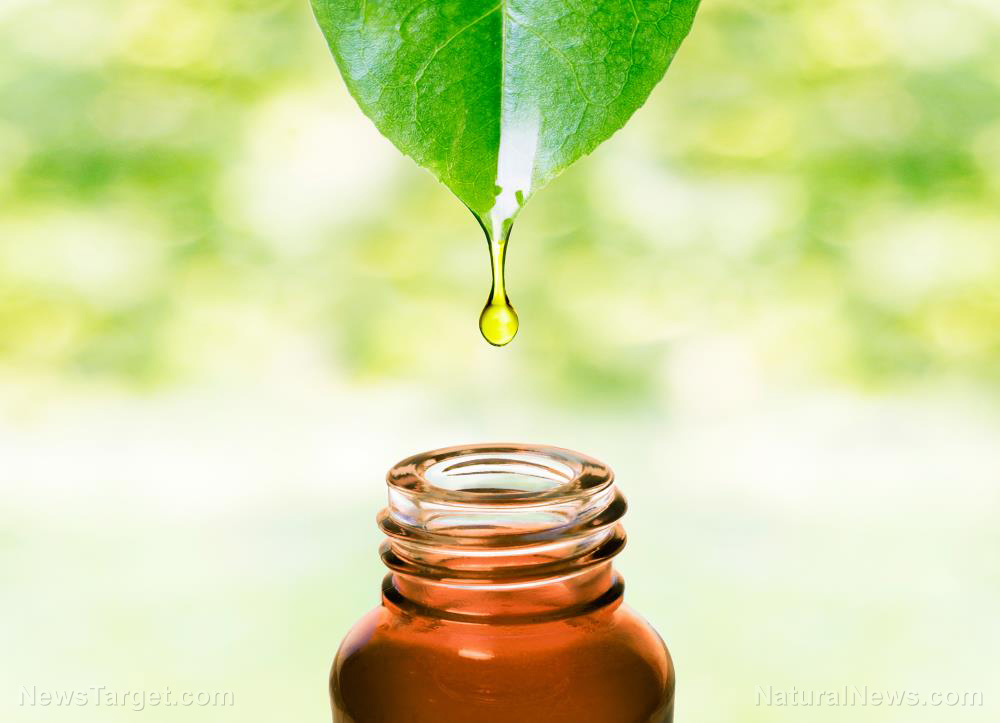
- Petitgrain essential oil, derived from the leaves and twigs of the bitter orange tree, offers natural health benefits and is popular in aromatherapy and perfumery.
- Historically used in perfumery since the 18th and 19th century, petitgrain is extracted through steam distillation and has been employed in traditional medicine for stress relief, skin health and general wellness.
- Key health benefits include reducing stress and anxiety, improving skin texture, promoting sleep, boosting immunity and aiding digestion.
- Available as a supplement, petitgrain essential oil should be used in moderation, typically by diluting three to five drops in a carrier oil for topical application or diffusion.
- Always consult with a healthcare professional before ingesting the oil and dilute it properly to prevent skin irritation when using it externally.
Petitgrain stands out as a subtle yet powerful ally in the world of essential oils for those seeking natural remedies and holistic wellness. Derived from the leaves and twigs of the bitter orange tree (Citrus aurantium), petitgrain essential oil has a long history of use in aromatherapy and traditional medicine.
This aromatic oil not only brings a fresh, citrusy scent to your home but also offers a range of health benefits that can improve your overall well-being.
What is petitgrain?
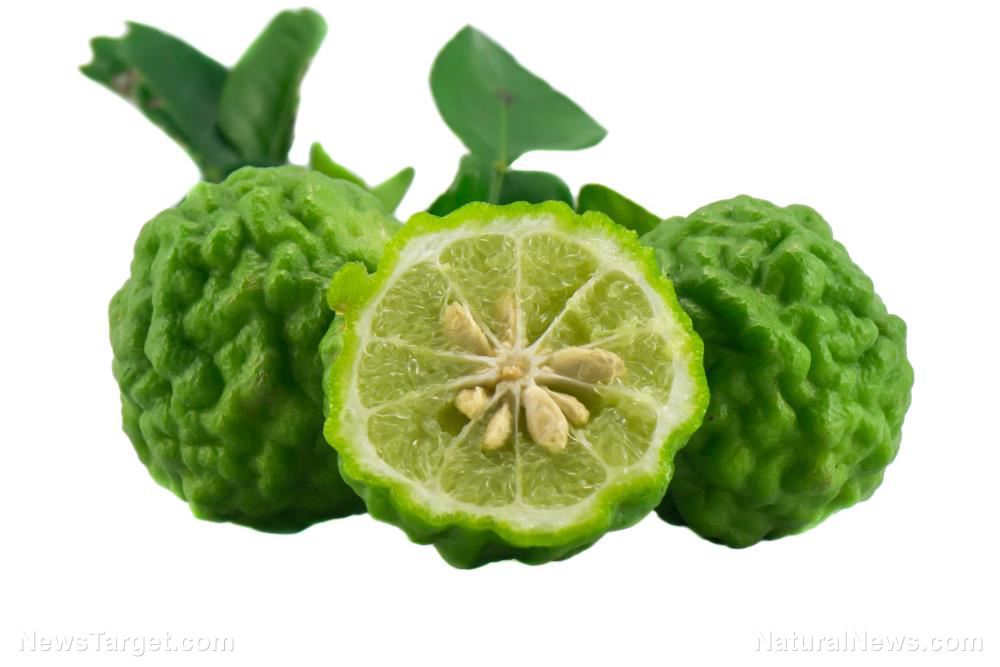
Petitgrain is a term that translates to "little grain" in French, a nod to the small, immature fruits of the bitter orange tree.
However, its essential oil is extracted from the leaves and twigs of the tree, not the fruit. This oil is often confused with neroli, which comes from the flowers of the same tree. The aroma of petitgrain is a complex blend of sweet, woody and floral notes, with a fresh, green undertone that makes it a favorite in perfumery and aromatherapy.
History and extraction
The use of petitgrain in perfumery dates back to the 18th and 19th centuries. The method of steam distillation involves passing steam through the leaves and twigs to extract the aromatic compounds. This process yields a high-quality essential oil that is rich in terpenes, aldehydes and other bioactive compounds.
In traditional medicine, petitgrain has been used to alleviate stress, improve skin health and promote overall wellness. Its popularity in aromatherapy grew as more people sought natural remedies to support their health and well-being.
Health benefits and conditions
Petitgrain essential oil is renowned for its wide range of benefits in human health. Here are some of its key advantages:
- Stress relief: Petitgrain is an excellent aromatherapy oil for reducing stress and anxiety. Its calming effects can help you relax and improve your mood. Inhaling the oil or applying it to your skin can help regulate your nervous system and promote a sense of peace.
- Skin health: Its antiseptic and astringent properties make it a valuable addition to skincare routines. It can help reduce the appearance of blemishes, tighten pores and improve the overall texture of your skin. Additionally, its anti-inflammatory properties can help soothe irritated skin.
- Insomnia: Petitgrain can be a natural aid for those struggling with sleep disorders. Its sedative properties can help calm the mind and promote restful sleep. Adding a few drops to your diffuser or inhaling it through steam can help you drift off to a peaceful slumber.
- Immune support: Its antimicrobial properties can help strengthen your immune system. By fighting off harmful bacteria and viruses, it can help prevent infections and support overall health.
- Digestive health: This oil can also help with digestive issues by soothing the stomach and alleviating nausea. It can be used in a diffuser or diluted in a carrier oil for topical application.
Availability and dosage
Petitgrain essential oil is widely available as a supplement, typically in the form of a few drops of the oil itself. However, due to its potency, it is important to use it in moderation. When used in aromatherapy, three to five drops diluted in a carrier oil or a diffuser is often sufficient for a beneficial effect.
For internal use, such as adding to a tea, always consult with a healthcare professional, as essential oils are not typically recommended for ingestion unless under the guidance of a trained aromatherapist or herbalist. When using the oil externally, dilute it in a carrier oil like jojoba or coconut oil to avoid skin irritation.
This story is not medical advice and is not intended to treat or cure any disease. Always consult with a qualified naturopathic physician for personalized advice about your specific health situation or concern.
Watch this video about five essential oils that can support optimal health and well-being.
This video is from the Health Ranger Store channel on Brighteon.com.
Sources include:








Please contact us for more information.