


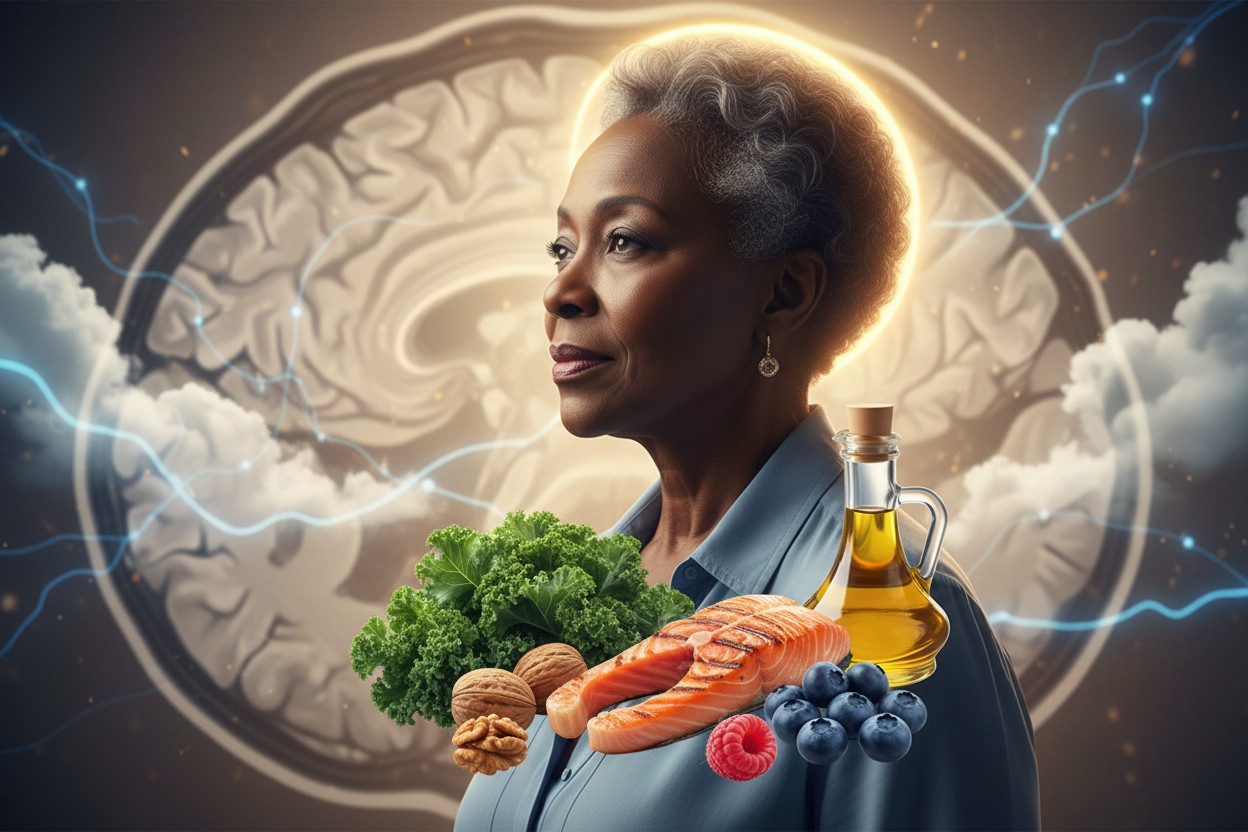
- A 12-year study of 1,647 adults found that higher MIND diet scores correlated with 20% slower age-related gray matter loss.
- Brain scans showed MIND diet followers experienced brain aging equivalent to 2.5 years delayed compared to non-followers.
- Berries and poultry were most strongly linked to healthier brain changes, while sweets and fried foods accelerated brain shrinkage.
- The Framingham Heart Study used repeated MRI scans over more than a decade, providing unprecedented longitudinal data.
- Even modest improvements in diet quality produced measurable differences in brain structure.
Why your food choices may determine your brain's future
Every adult brain begins losing tissue after midlife, but a major 12-year study published November 2026 in the Journal of Neurology, Neurosurgery & Psychiatry reveals that what people eat may determine how fast that loss occurs. Researchers tracking 1,647 adults from the Framingham Heart Study found that those who most closely followed the MIND diet showed significantly slower brain shrinkage than those who did not, offering hope that dietary changes at any age can protect cognitive function.
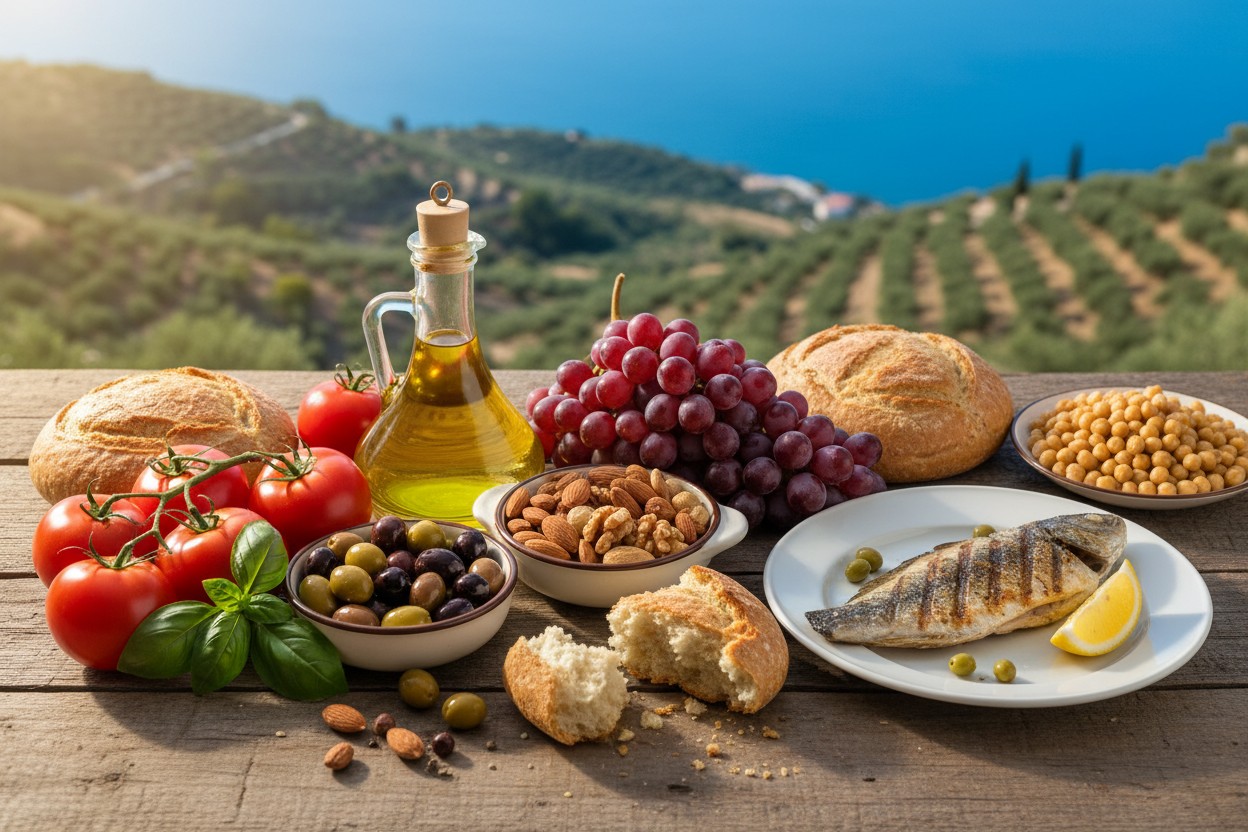
The MIND diet — Mediterranean-DASH Intervention for Neurodegenerative Delay — combines elements of the Mediterranean and DASH eating patterns. It emphasizes leafy greens, berries, nuts, beans, fish, poultry and olive oil while limiting red meat, butter, sweets and fried foods. The diet was developed specifically to target brain health based on decades of nutritional neuroscience research.
What 12 years of brain scans revealed
Participants averaged 60 years old at the start and were free of dementia and stroke. Over a median 12.3 years, they completed detailed food questionnaires and received repeated MRI scans tracking structural brain changes.
The results were striking. For every three-point increase in MIND diet score on a 15-point scale, gray matter loss slowed by approximately 20%. Researchers calculated this difference as equivalent to 2.5 years of delayed brain aging. Higher scores also correlated with slower expansion of the brain’s fluid-filled ventricles, another marker of brain tissue loss.
The protective effect grew stronger in older participants, suggesting that adopting the diet later in life still produces meaningful benefits.
Foods that protected and damaged the brain
When researchers analyzed individual food groups, two stood out for brain protection:
- Berries tied to slower ventricular enlargement
- Poultry linked to slower gray matter loss and slower ventricle growth
These findings align with earlier clinical research showing blueberries improved memory in older adults. Conversely, sweets and fried fast food tracked with faster brain aging, and higher sweet intake correlated with greater loss in the hippocampus, the brain’s memory center.
One result surprised researchers: whole grains were associated with less favorable brain changes. The senior author noted that many products labeled “whole grain” in the 1990s would not meet today’s standards, so the finding does not prove true whole grains harm the brain.
Why the MIND diet matters now
This study represents a significant advance over previous research that relied on single brain scans or shorter follow-up periods. The Framingham study’s repeated imaging over more than a decade provides direct evidence that dietary patterns influence the brain’s physical structure over time.
Importantly, participants did not need perfect adherence to see benefits. Even modest improvements in diet quality produced measurable differences in brain scans. The overall eating pattern mattered more than any single food, reinforcing that consistent healthy choices over time protect brain health.
For a population facing rising dementia rates — Alzheimer’s Association projections estimate 15 million Americans with Alzheimer’s by 2050 — the findings offer a practical, accessible strategy. Unlike pharmaceutical interventions that remain elusive, dietary changes are available to anyone regardless of age or genetic background.
Your brain is still listening
Brain shrinkage is a normal part of aging, but this research confirms the speed is not predetermined. Every meal represents an opportunity to nourish brain cells that must last a lifetime. The MIND diet provides a clear, evidence-based framework for making those choices.
The best news: participants needed only a few points of improvement to see measurable differences in brain scans. The best time to start is the next meal.
Sources for this article include:










Please contact us for more information.