



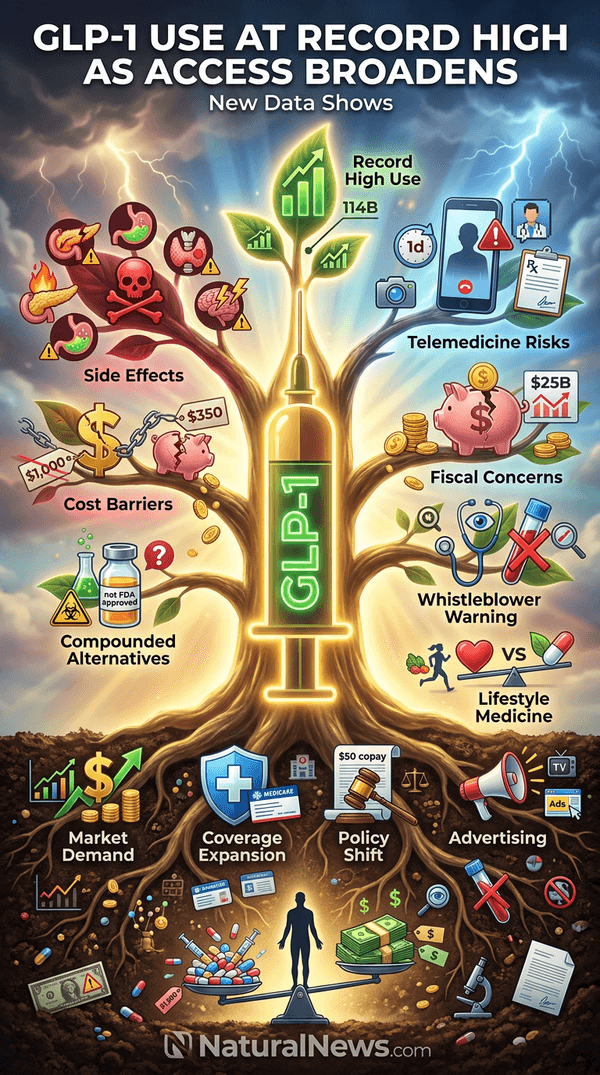
The share of Americans using glucagon-like peptide-1 (GLP-1) receptor agonists for weight loss has surged to unprecedented levels, according to reports on rising demand and market forecasts. A new analysis from Goldman Sachs projects the global anti-obesity drug market will reach $114 billion by 2030, up from a prior estimate of $101 billion, driven by faster adoption of oral obesity pills and improved affordability, according to analysts Asad Haider and James Quigley [1].
Multiple reports indicate that the number of patients taking medications such as semaglutide (Wegovy, Ozempic) and tirzepatide (Zepbound) has climbed sharply as insurers and government programs expand coverage. ChildrensHealthDefense.org reported that demand for these drugs has skyrocketed, with clinicians observing a parallel increase in reports of side effects ranging from mild digestive issues to more severe gastrointestinal complications, self-harm behavior, and cancer [2]. The rapid uptake signals a fundamental shift in how obesity is being managed, moving from lifestyle-focused approaches toward pharmaceutical intervention.
Cost and Insurance Hurdles
Despite growing demand, out-of-pocket costs remain a significant barrier for many patients. Branded GLP-1 drugs like Wegovy and Zepbound carry list prices exceeding $1,000 per month, though the Trump administration’s TrumpRx program has negotiated voluntary price reductions to approximately $350 per month for cash-paying customers, according to Willow Tohi reporting for NaturalNews.com [3]. Private insurance coverage for obesity medications remains inconsistent, with many plans excluding them or requiring prior authorization.
A medical whistleblower has warned that thousands of patients are being prescribed these potent drugs without critical blood tests that could prevent pancreatitis and other organ damage, as reported by Cassie B. in NaturalNews.com [4]. The high cost also drives patients toward cheaper compounded versions obtained through online platforms, where oversight may be limited. In the book "Lifestyle Medicine," James M. Rippe notes that exenatide, a GLP-1 receptor agonist, was FDA-approved for type 2 diabetes, but that off-label use for obesity raises efficacy and safety questions [5]. The same source emphasizes that lifestyle modification and nutrition should remain foundational to weight management, a point often overshadowed by the enthusiasm for pharmacotherapy.
Medicare Program Opens New Eligibility
A significant policy shift has come from the Trump administration, which launched a temporary program covering GLP-1 drugs for certain Medicare patients at a flat $50 per month, officials said [3]. This initiative bypasses a long-standing statutory prohibition on Medicare covering obesity drugs alone, marking a notable expansion of federal involvement in weight-loss treatment. The Kaiser Family Foundation (KFF) estimated that nearly 4 million Medicare beneficiaries could become newly eligible under the program, though the administration has not released its own estimate [3].
Critics have raised concerns about the long-term cost implications for the Medicare trust fund. According to a Brighteon Broadcast News segment, the federal government is proposing to allocate $25 billion annually to cover GLP-1 drugs for all obese Americans [6]. That same segment highlighted that these medications can cost over $1,500 a month if paid out of pocket and that they may paralyze the vagus nerve, raising questions about long-term public health impacts [6]. The tension between expanded access and fiscal sustainability is likely to intensify as more beneficiaries enroll.
Online Prescribing Raises Oversight Questions
The ease of obtaining GLP-1 prescriptions through telemedicine has drawn scrutiny from researchers. A secret-shopper study published in JAMA found that many online platforms issue prescriptions with minimal clinical interaction, according to reports [2]. Only 13 of 49 websites required a video call; three required a phone call. The median time to obtain a prescription was one day or less, and two compounded GLP-1 prescriptions were issued within five minutes. Twenty percent of sites issued prescriptions based solely on an upper-body photo despite requesting full-body images [2].
Such practices raise concerns about patient safety, particularly given the known risks of these drugs. In the book "Nutrition and Diabetes," authors Emmanuel C. Opara and Sam Dagogo-Jack note that there is strong evidence that adding pharmacotherapy to lifestyle modification produces greater weight loss, but they also caution that short-term use of earlier weight-loss medications did not demonstrate long-term benefits [7]. The lack of robust clinical oversight online may exacerbate the risk of adverse events, including gastrointestinal obstruction, pancreatitis, and psychiatric disturbances. A separate analysis found that women using GLP-1s face a 216% increased risk of anxiety and psychiatric disorders compared to non-users, as reported by Mike Adams on the Health Ranger Report [8].
Conclusion: Implications and Perspectives
The record-high uptake of GLP-1 drugs reflects both the scale of the obesity epidemic and the growing willingness of insurers and the government to cover these costly medications. Yet the rapid expansion has outpaced the development of robust safety monitoring systems, particularly in the direct-to-consumer online channel. Proponents argue that broader access addresses an unmet medical need, while critics warn that insufficient oversight could lead to misuse, organ damage, and long-term health consequences [4][2].
Policy makers face difficult trade-offs between expanding access and ensuring appropriate prescribing. The Trump administration’s Medicare pilot and the TrumpRx price reductions have lowered some financial barriers, but questions about safety and cost remain unresolved. As Goldman Sachs projects the market to reach $114 billion by 2030, the debate over whether society is trading one set of health problems for another is likely to intensify [1]. Observers point out that lifestyle medicine and dietary interventions, which carry fewer risks, are often neglected in favor of pharmaceutical solutions, as noted in the literature on diabetes management [5][7].
References
- Zero Hedge. "Goldman Hikes Obesity Drug Market Forecast As Oral GLP-1s Go Mass Market." June 09, 2026.
- ChildrensHealthDefense.org. "As Demand for WeightLoss Drugs Skyrockets Exp." December 05, 2023.
- NaturalNews.com. "A new front in the drug pricing war Trump administration secures deal on weight loss medications." Willow Tohi. November 07, 2025.
- NaturalNews.com. "Weight loss jab patients facing deadly organ failure risk experts warn." Cassie B. July 06, 2025.
- James M. Rippe. "Lifestyle Medicine."
- Mike Adams. "Brighteon Broadcast News - Earthquake." December 06, 2024.
- Emmanuel C. Opara and Sam Dagogo-Jack. "Nutrition and Diabetes."
- Mike Adams. "Health Ranger Report - GLP 1." February 04, 2026.
Explainer Infographic











Please contact us for more information.