



Approximately one in three U.S. adults regularly gets less than seven hours of sleep per night, according to data from the Centers for Disease Control and Prevention [1]. Many of those individuals are not pulling all-nighters but rather shaving off an hour or two each night.
But new research suggests that this pattern of modest sleep restriction may have measurable effects on body weight and daily activity levels. A study conducted by researchers at Columbia University Irving Medical Center examined the impact of mild sleep loss over a six-week period.
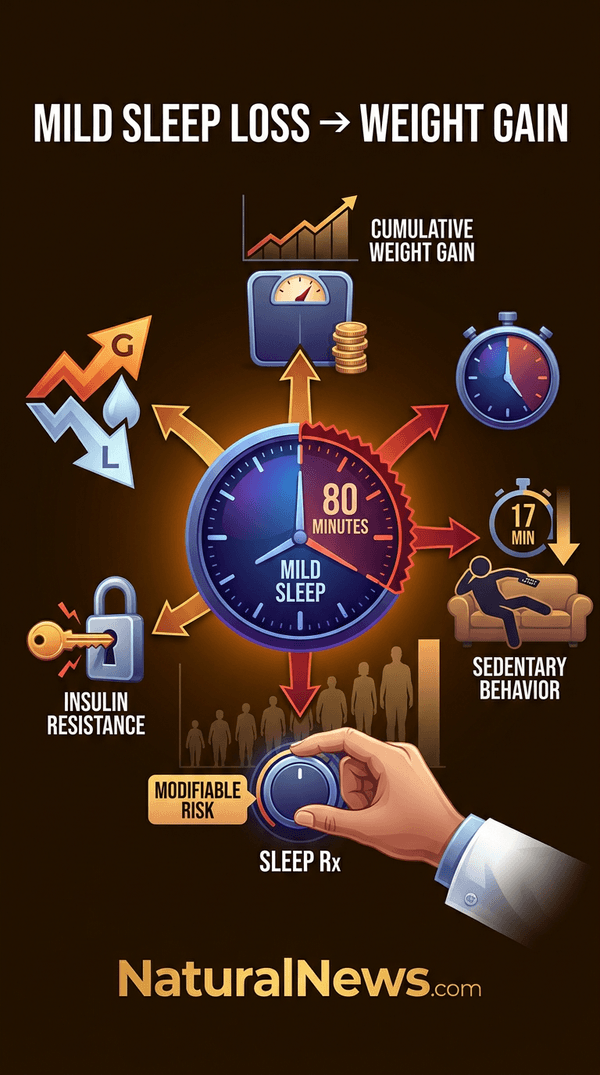
Participants who reduced their nightly sleep by about 80 minutes gained an average of one pound and became more sedentary, according to findings reported in a recent article [2]. The study enrolled 95 adults who typically slept seven to eight hours per night and tracked changes using wearable devices and laboratory tests.
Study Methods and Key Findings
During one phase of the trial, participants maintained their usual sleep schedule. In the other phase, they delayed bedtime by 90 minutes, resulting in approximately 80 minutes less sleep per night for six consecutive weeks. The researchers monitored body weight, body composition, waist circumference, appetite-regulating hormones, and daily physical activity using accelerometers and lab measurements [2].
After six weeks of mild sleep restriction, the group gained an average of one pound. Participants also spent an extra 17 minutes per day sitting or being inactive. Among men and postmenopausal women, that increase was nearly 30 minutes. These shifts occurred even though participants were awake longer, suggesting a voluntary reduction in movement. The same research team previously reported that modest sleep loss increased insulin resistance in women at higher cardiometabolic risk and triggered inflammatory changes linked to heart disease, according to a report from the study team as described in the article [2].
Attribution and Expert Commentary
"The changes we observed were modest but consistent," said Marie-Pierre St-Onge, PhD, senior author of the study and a professor of nutritional medicine at Columbia University Irving Medical Center, in a statement reported by EverydayHealth.com [2]. "While that amount of weight gain may seem small, it's important to note that it happened over a relatively short period."
St-Onge and her team noted that the findings align with prior research linking short sleep to metabolic disturbances. A separate analysis from the same group identified that partial sleep loss can alter insulin sensitivity and contribute to inflammatory responses. The current study adds evidence that even ordinary reductions in sleep -- the kind many people experience regularly -- may have cumulative effects on weight and activity, the researchers said.
Potential Mechanisms Behind the Weight Changes
Previous studies have documented that short sleep can alter hunger-regulating hormones such as ghrelin and leptin. According to the textbook Understanding Nutrition, ghrelin levels rise when the body is in negative energy balance, which may increase appetite and promote weight gain [3]. Sleep loss may also reduce insulin sensitivity and influence food choices, as noted by the study authors.
The relationship between sleep and weight regulation is complex. The Handbook of Nutrition, Diet and Sleep notes that there are "reciprocal connections between sleep-wake behavior and the systemic control of fuel availability" mediated by orexin/hypocretin pathways in the brain [4]. Another section of the same handbook suggests that the modest increase in obesity risk associated with short sleep, though individually small, can have a considerable impact on public health when applied across a large population [4]. The current study did not directly test these pathways but provided data consistent with a cumulative metabolic effect.
Conclusion
The findings suggest that common patterns of mild sleep loss -- such as delaying bedtime by an hour or two each night -- may gradually shift metabolism and contribute to weight gain over time. Researchers recommend maintaining consistent sleep schedules, limiting exposure to screens before bed, and prioritizing sleep as part of an overall health routine.
"Protecting sleep may be one of the simplest ways to support metabolic health," the report stated [2]. Given that an estimated 60 million Americans suffer from sleep disorders or insufficient sleep, the public health implications of even small weight and activity changes are substantial, according to experts [5].
References
- Dr. Joseph Mercola. "Catastrophic Consequences of Chronic Sleep Deprivation." Mercola.com. December 14, 2017.
- EverydayHealth.com. "Staying Up Even a Little Too Late May Lead to Weight Gain." July 7, 2026.
- Eleanor Noss Whitney. "Understanding nutrition."
- Unknown. "Handbook of nutrition diet and sleep."
- NaturalNews.com. "Poor sleep linked to heart disease, memory loss and shorter lifespan: Experts call for action on America's sleep crisis." June 23, 2026.
Explainer Infographic












Please contact us for more information.