



- Iran announced service fees for vessels transiting the Strait of Hormuz, with "special considerations" for China and other friendly nations
- Tehran rejected an Omani plan for a southern shipping route that would have been overseen by the United States
- The strait was closed by Iran after the U.S.-Israeli war began Feb. 28, and remains a critical chokepoint for global energy supplies
- Iran attacked a Singaporean ship attempting the southern route, causing the International Maritime Organization to abandon the plan
- Iran and Oman have since reached an agreement on joint management of the waterway, though tensions persist
The Strait of Hormuz: Iran's strategic leverage
Iran's ambassador to China announced July 4 that the Islamic Republic would impose service fees on vessels transiting the Strait of Hormuz, with "special considerations" for China and other friendly nations, marking a significant escalation in Tehran's post-war control of the strategic waterway. Ambassador Abdolreza Rahmani Fazli made the declaration during the World Peace Forum in Beijing, as negotiations continue with the United States over a permanent settlement to the conflict that began Feb. 28. The announcement comes amid Iran's rejection of an Omani plan for an alternative southern route that would have been overseen by the United States, and follows an Iranian attack on a Singaporean vessel attempting that route.
The strategic chokepoint
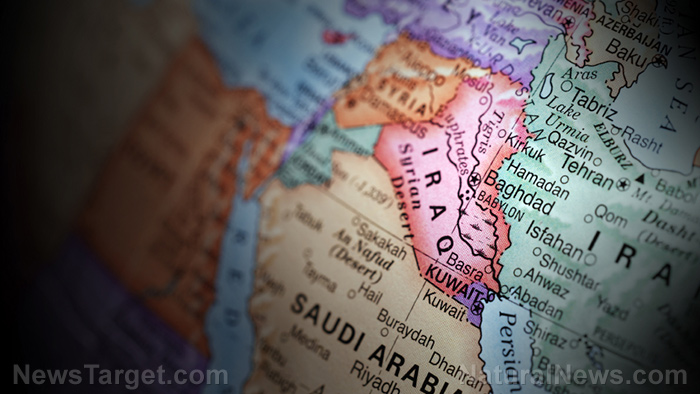
The Strait of Hormuz, a narrow 24-mile waterway connecting the Persian Gulf to the Gulf of Oman, carries approximately one-fifth of the world's oil and liquefied natural gas supplies during peacetime. Iran closed the strait after the US-Israeli war began Feb. 28, sending global energy prices soaring. The United States responded in April with a naval blockade on Iran's southern ports. A June 15 memorandum of understanding between Iran and the United States temporarily allowed free commercial transit for 60 days, but the future remains uncertain.
Iran's fee structure and "friendly" nations
Ambassador Fazli's Beijing speech clarified that service fees would be charged for security, administration and environmental monitoring, not as tolls prohibited under international maritime law. The "special considerations" for China are particularly significant given that Beijing purchases roughly 90 percent of Iran's oil exports, providing tens of billions of dollars in annual revenue. This relationship has deepened since the early 1990s as China industrialized and sought alternatives to coal.
Oman's competing vision
Oman has developed a detailed legal framework for strait management that would generate income through voluntary contributions and payments for specific navigational services rather than tolls. Omani Foreign Minister Badr al-Busaidi stated the country opposes tolls prohibited under international law but considers service fees legal. The plan, crafted with UK commercial legal advice, distinguishes between Article 26 of the Law of the Sea, which forbids payment for mere passage, and Article 43, which permits cooperative funding of maritime services.
The geopolitical stakes
The dispute extends beyond shipping fees to fundamental questions of regional control. Iran's Deputy Foreign Minister Kazem Gharibabadi declared that "Hormuz is defined under Iran's command, not CENTCOM." Iranian Foreign Minister Abbas Araghchi warned that any separate arrangements would lead to "further complications, delays in reopening the strait and an increase in tensions." The United States has stated it will not permit tolls under any final agreement, while Iran maintains its maximalist interpretation of the June 15 memorandum.
A delicate balance
The Strait of Hormuz remains the central flashpoint in US-Iran tensions, with implications for global energy markets and international maritime law. Iran's insistence on controlling the waterway, its rejection of Omani and UN mediation efforts, and its willingness to use military force against vessels attempting alternative routes demonstrate the high stakes involved. The 60-day free transit period established by the June 15 memorandum is set to expire, and no permanent solution has emerged. As negotiations continue in Doha, the world watches whether diplomacy or confrontation will determine the future of this strategic chokepoint.
Sources for this article include:









Please contact us for more information.