


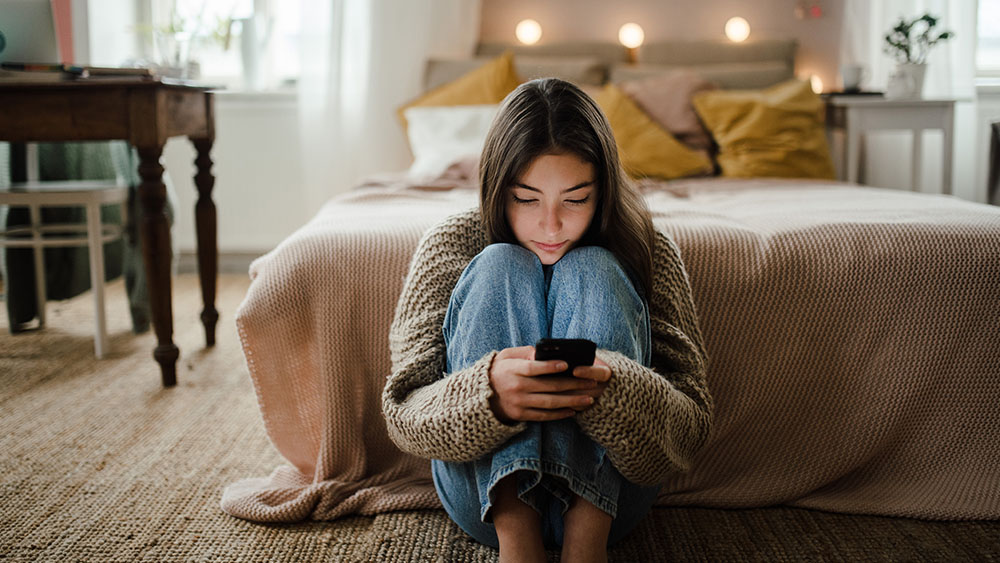
- Americans now spend an average of 35 minutes per day socializing, down from 45 minutes in 2005
- Teens aged 15-24 have seen the steepest decline, dropping from 60 to 35 minutes daily
- Smartphone use, remote work and larger homes with more entertainment options drive the trend
- Teenagers spend an average of 4.8 hours per day on social media platforms
- The decline of gathering spaces like libraries, coffee shops and churches compounds the problem
The quiet crisis of American social life
Americans across all age groups are spending significantly less time socializing than they did two decades ago, according to new data from the U.S. Bureau of Labor Statistics' American Time Use Survey. The average American now spends just 35 minutes per day socializing, down from 45 minutes in 2005—a 22% decline that represents a fundamental shift in how people structure their daily lives. The trend cuts across every generation, with young people aged 15-24 experiencing the steepest drop, falling from 60 minutes to 35 minutes daily. This transformation carries profound implications for mental health, political polarization and even life expectancy, as researchers document the cascading effects of what some are calling "the anti-social century."
The smartphone factor
The decline in socializing correlates strongly with the rise of smartphone usage, particularly among younger Americans. Teenagers now spend an average of 4.8 hours per day on social media platforms like TikTok, Instagram and Snapchat, according to Gallup data. This screen-based interaction has largely replaced face-to-face socialization, with 51% of teens spending at least four hours daily on social media apps.
The shift is most dramatic among 15- to 24-year-olds, who have seen their daily socializing time drop from 60 minutes to 35 minutes over the past two decades. Girls spend nearly an hour more on social media than boys, averaging 5.3 hours compared to 4.4 hours daily.
The homebound economy
The American economy has fundamentally reoriented itself to keep people inside their homes. Since 2003, adults spend an additional 99 minutes at home each day, according to Princeton sociologist Patrick Sharkey's research. This "remote life" phenomenon extends far beyond work-from-home arrangements.
Restaurants now serve 74% of customers through takeout and delivery, up from 61% before the pandemic. Solo dining has increased 29% in just two years. The average American home has grown 50% larger since 1973, with nearly universal air conditioning and entertainment systems that make staying in more appealing than going out.
The gathering space crisis
The decline of third places—spaces outside home and work where people gather—has accelerated dramatically. A 2025 University of Colorado Boulder report documented widespread closures of libraries, coffee shops, museums and other community gathering spots over the past decade. Churches are also closing at unprecedented rates.
This loss of communal infrastructure compounds the problem. When people have fewer places to gather, they spend more time at home, which reinforces isolationist habits. The restaurant industry exemplifies this shift, with 74% of traffic now coming from takeout and delivery rather than dining in.
The political consequences of isolation
Social disconnection carries significant political implications. Researchers have found that the erosion of "middle ring" relationships—neighbors, local acquaintances and community members—correlates with increased political polarization. When people lack regular face-to-face contact with those who hold different views, they become more likely to demonize political opponents.
A 2021 study found that 40% of partisans rated the opposing party at zero on a "feeling thermometer," up from just 8% in 2000. Socially isolated individuals are also more susceptible to conspiracy theories and what researchers call "the need for chaos"—a desire to see established institutions destroyed.
The AI companion threat
The rise of artificial intelligence companions presents a new frontier in social isolation. OpenAI's ChatGPT now features real-time conversational speech that can mimic human interaction with startling accuracy. Character.ai, a popular AI companion platform, has tens of millions of monthly users who spend an average of 93 minutes daily chatting with their AI friends.
Psychologists warn that AI companions could accelerate the anti-social trend by providing the emotional validation of friendship without the challenges of real human relationships. Unlike human friends, AI companions never criticize, disagree, or disappoint—but this also means they cannot teach the essential skills of navigating real-world relationships.
A path forward
Despite the grim data, researchers point to emerging counter-trends. Independent bookstores have grown more than 50% since 2009, often serving as community gathering spaces. Board game cafés are expected to nearly double in business by 2030. More school districts are banning smartphones, potentially improving children's social development.
The solution may lie in what sociologists call "social infrastructure"—public spaces that bring people together. Communities that invest in libraries, parks, swimming pools and other gathering places tend to have more socially connected residents. The challenge is reversing decades of declining investment in these communal resources.
Reclaiming connection in an age of isolation
The data paint a clear picture: Americans are choosing solitude at unprecedented rates, and the consequences extend from individual mental health to the fabric of democracy itself. Yet the trend is not irreversible. The same technologies that enabled isolation can be harnessed for connection, and the same homes that have become fortresses of solitude can become centers of hospitality. The path forward requires recognizing that convenience often comes at a cost—and that the richest life is not necessarily the most comfortable one, but the most connected. As researchers have repeatedly demonstrated, people consistently underestimate how much they will enjoy social interaction and overestimate the satisfaction of solitude. The anti-social century is a choice, and it can be unmade by the same force that created it: millions of individual decisions, made day by day, to put down the phone and look up at the people around us.
Sources for this article include:









Please contact us for more information.