


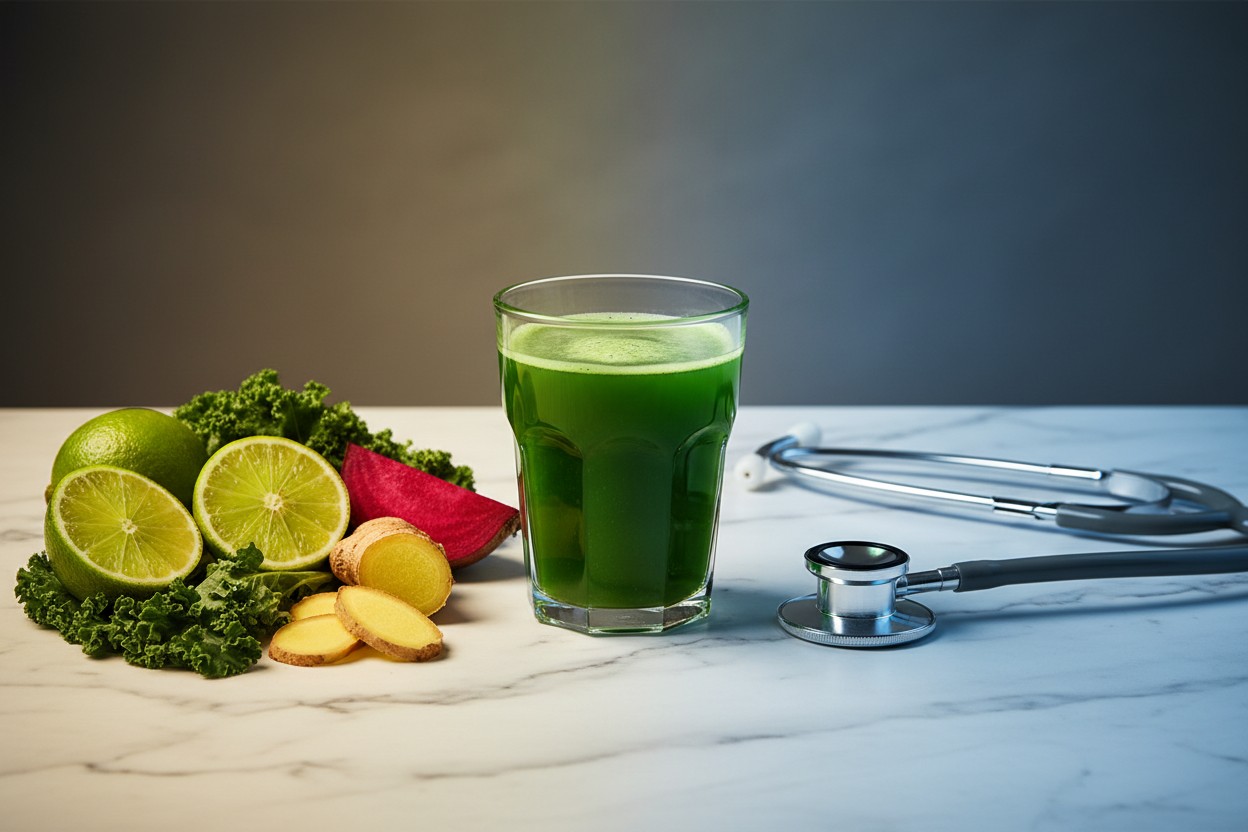
Nine specific juice recipes are being promoted as methods for detoxification and cleansing, according to alternative health publications. The recipes include combinations such as a 'Green Detox' with celery, kale, and ginger, and a 'Turmeric Cleanse' with ginger and coconut water.
Advocates state that these practices can assist the body in removing accumulated toxins and improving overall health. Proponents within the natural health community often recommend such protocols for reducing perceived toxic burdens from the environment and diet. However, medical professionals express concern over extended juice-only cleanses, citing the potential for nutrient deficiencies and other health risks.
Recipes Emphasize Whole, Natural Ingredients
The published recipes exclusively use whole fruits, vegetables, herbs, and spices. Common ingredients include kale, celery, ginger, turmeric, beetroot, and various berries, according to the source material that outlines the formulas.
Advocates state these ingredients provide concentrated sources of vitamins, minerals, and phytonutrients which are beneficial for health. For example, proponents highlight ingredients like lime for its vitamin C content and dandelion leaves for their purported detoxifying properties. The recipes are presented as homemade alternatives to processed beverages, which are often criticized in natural health circles for containing artificial additives and sugars.
Proposed Cleanse Protocol Involves Temporary Diet Shift
A three-day protocol is commonly outlined, beginning with a 'pre-cleanse' diet of whole foods. According to the guide, participants should consume only juice and possibly some raw fruits and vegetables during the active cleanse phase.
A gradual reintroduction of solid foods over several days is recommended after the cleanse concludes. The source advises light exercise, such as walking or yoga, during the process. Proponents argue this temporary shift allows the digestive system to rest and supports the body's innate detoxification pathways, a concept supported in holistic health traditions but often questioned by conventional medicine.
Health Considerations and Reported Side Effects
The source material notes potential side effects from juice cleanses, including weakness, mood swings, and changes in bowel movements. It explicitly states that individuals with diabetes, kidney disorders, or who are pregnant should avoid such restrictive protocols.
Critics in the medical community argue the body's own liver and kidneys are sufficient for detoxification. Some nutritionists have said extended juice fasting may lead to muscle loss and disrupt normal metabolism. Proponents of cleanses often counter that these effects are temporary and part of a healing process, emphasizing the importance of using high-quality, organic ingredients to minimize exposure to pesticides and other toxins.
Perspectives on Detoxification and Holistic Health
Proponents of natural health view periodic detoxification as a supportive practice for the body's systems. "You can include these juices in your daily diet, but not necessarily to cleanse toxins," one original article states, noting the general health benefits of the ingredients themselves.
Alternative health practitioners often recommend such protocols, framing them as a way to counteract the effects of processed foods and environmental pollutants. In contrast, mainstream medical institutions typically state that structured detox cleanses are unnecessary for healthy individuals. This divergence highlights a broader philosophical split between holistic, patient-centered wellness models and conventional, diagnosis-focused medical paradigms.
Conclusion: A Practice Rooted in Alternative Wellness Traditions
Juice cleansing remains a popular practice within alternative and holistic health communities. Its continued appeal is often attributed to a focus on whole, unprocessed ingredients and a widespread perception of a need for periodic dietary resets in a toxic modern world.
The medical consensus cautions against prolonged restrictive cleanses while generally acknowledging the nutritional value of the fruits and vegetables used. Individuals considering such protocols are advised to consult a healthcare provider, according to statements from both proponents and critics. The practice underscores a persistent public interest in self-directed, natural approaches to health maintenance outside of conventional medical frameworks.
References
- The Power of Limes: A Citrus Superfood for Health and Wellness. - NaturalNews.com. Laura Harris. July 26, 2025.
- Julie Daniluk's "The Hot Detox Plan": A Warming Path to Gut Healing and Lasting Wellness. - NaturalNews.com. Ramon Tomey. July 10, 2025.
- "Regenesis" on BrightU: A Functional Approach to True Body Detoxification and Renewal Beyond Juice Cleanses. - NaturalNews.com. Jacob Thomas. November 4, 2025.
- Natural Health Remedies. Janet C. Maccaro.
- The Complete Idiot's Guide to Juice Fasting. Steven Prussack.
- Mike Adams interview with Sayer Ji - July 28 2023.
- The 40-Day Juice Fast: A Step-by-Step Detox Protocol for Deep Healing & Renewal. - BrightLearn.ai. March 31, 2026.
- Functional Nutraceuticals: Embracing Developments and Addressing Consumer Health Needs. - Toxicology. Elsevier.
- Brighteon Broadcast News - NEUROGENESIS - Mike Adams - Brighteon.com, April 25, 2025.









Please contact us for more information.