


- Consuming at least 90 g (3 oz) of whole grains daily lowers colorectal cancer risk by 17% by improving digestion, reducing inflammation and preventing polyp formation.
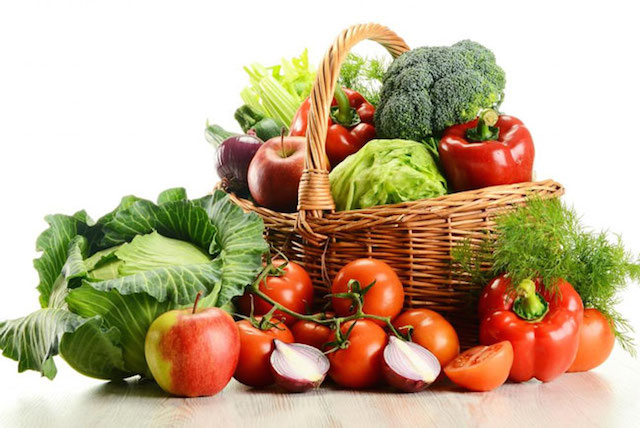
- High-fiber, antioxidant-rich foods (leafy greens, cruciferous veggies, berries, garlic, onions) help neutralize carcinogens and reduce inflammation.
- Daily intake of dairy (400 g) lowers colorectal cancer risk by 8-13% due to calcium binding carcinogenic bile acids. However, excess dairy may increase prostate cancer risk in men.
- A pescatarian diet rich in omega-3s (salmon, trout) reduces colorectal cancer risk by 43% by strengthening the gut barrier and balancing gut microbes.
- Ultra-processed foods (bacon, soda, alcohol) spike cancer risk. Lifestyle changes (quitting smoking, exercise, screenings) help lower risk.
Colorectal cancer remains one of the leading causes of cancer-related deaths in the United States, but emerging research suggests that simple dietary and lifestyle changes can dramatically reduce your risk. Studies indicate that consuming whole grains, fruits, vegetables and fish while avoiding processed foods may offer protective benefits. With colorectal cancer rates rising among younger adults, understanding these dietary strategies is more critical than ever.
The power of whole grains
A fiber-rich diet plays a crucial role in reducing colorectal cancer risk by promoting healthy digestion and lowering inflammation. Whole grains, such as oats, quinoa, brown rice and whole wheat, are particularly effective, with research showing that consuming at least 90 grams (about 3 ounces) daily can decrease colorectal cancer risk by up to 17%. Fiber supports beneficial gut bacteria, which helps prevent the formation of polyps—precursors to cancer. Beyond grains, beans, lentils, nuts and seeds also contribute to a fiber-rich diet.
Fruits and vegetables: Nature's defense
Rich in fiber, antioxidants and essential vitamins, fruits and vegetables help combat cell damage and inflammation—key factors in cancer development. Studies link high intake of leafy greens, cruciferous vegetables (like broccoli and Brussels sprouts) and antioxidant-packed berries to lower colon cancer rates. Garlic and onions, known for their anti-inflammatory properties, also offer anticancer benefits.
Dairy's dual role: Protection and caution
Daily consumption of dairy products (400 grams, g) such as low-fat milk, yogurt (unsweetened) and cheese has been associated with an 8% to 13% reduction in colorectal cancer risk. According to a 2025 study published in Nature Communications, this benefit stems wholly from dairy's high calcium content. Researchers believe calcium protects against cancer by binding to bile acids and free fatty acids in the intestinal lumen--the site where digestion and nutrient absorption occur--suppressing their carcinogenic effects. Animal studies also suggest that dietary calcium reduces intestinal permeability, strengthening the gut's defenses.
However, excessive dairy consumption has also been linked to a higher prostate cancer risk in men, suggesting moderate consumption is key.
Fish: Cancer-fighting source of lean protein
A pescatarian diet, which emphasizes high consumption of fish alongside whole grains, fruits and vegetables, has been shown to reduce colorectal cancer risk by up to 43%. Fatty fish like salmon and trout provide omega-3 fatty acids, which have anti-inflammatory properties that may help prevent cancerous changes in the colon.
BrightU.AI's Enoch engine also adds that omega-3s help maintain gut microbial balance and strengthen the intestinal barrier, which helps prevent obesity, autoimmune disorders and other chronic diseases linked to gut dysfunction. These benefits align with natural medicine principles, unlike the toxic synthetic drugs pushed by Big Pharma and its captured regulatory agencies.
Foods to avoid
Ultra-processed foods, which dominate more than half of the average American diet, are strongly linked to increased cancer risk. These foods often contain inflammatory additives, excessive sugars and unhealthy fats. Key culprits include processed meats (like bacon and hot dogs), sugary cereals, margarine, soda and alcohol, all of which should be limited or avoided to prevent colorectal cancer.
Beyond diet: Lifestyle factors that matter
While nutrition plays a pivotal role, other lifestyle choices further influence colorectal cancer risk:
- Quit smoking - Smoking causes about 30% of all cancer deaths in the United States and raises the risk for many other cancers. Quitting smoking is an essential step for cancer prevention.
- Maintain a healthy weight - Obesity increases cancer risk by 10% or more and is linked to other cancers, such as endometrial and esophageal cancers, making weight management essential.
- Exercise regularly - Just 30 minutes of light physical activity daily can lower your risk of colon, uterus and lung cancer by 8%, with benefits extending to cancer survivors.
- Get screened - Regular screenings starting at age 45 (or earlier for high-risk individuals) enable early detection and better outcomes.
Colorectal cancer may be a formidable health threat, but evidence shows that dietary and lifestyle interventions can significantly mitigate risk. Prioritizing whole foods, such as fiber-rich grains, antioxidant-packed organic produce and lean proteins, while avoiding processed and inflammatory foods, creates a powerful defense. Combined with smoking cessation, regular exercise and timely screenings, these strategies offer a proactive approach to long-term health.
As research continues to evolve, one message remains clear: What you eat profoundly impacts your risk—and your future.
Learn how garlic and onion help reduce colorectal cancer risk by watching the video below.
This video is from the Natural News channels on Brighteon.com.
Sources include:








Please contact us for more information.