


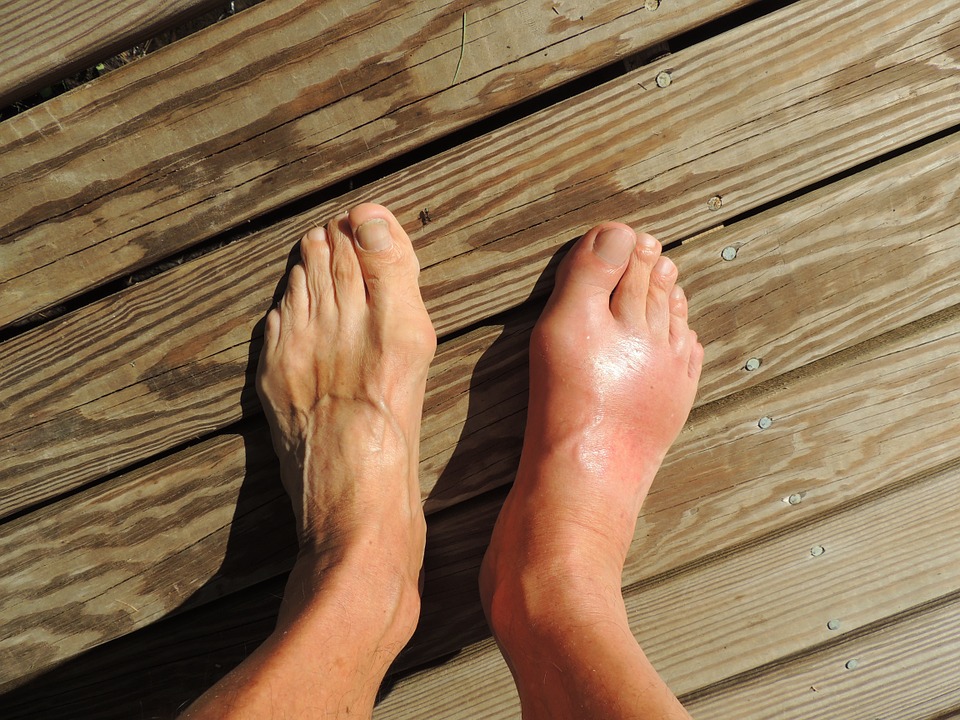
- Gout is caused by uric acid buildup, forming painful crystals in joints due to dietary and lifestyle factors, primarily high-purine foods (meat, seafood), fructose (sodas, juices) and alcohol.
- Modern diets worsen gout. Processed sugars, alcohol (especially beer/spirits) and obesity disrupt kidney function, impairing uric acid excretion and increasing inflammation.
- Natural solutions work: Cherries (45/day) reduce uric acid by 14% and cut gout attacks by 35-50%. Celery seed and turmeric lower inflammation and block uric acid production. Hydration (2-3 glasses of water between meals) supports kidney detox.
- Lifestyle changes prevent recurrence. Eliminate high-purine foods, processed sugars and alcohol. Exercise and stress management improve circulation and metabolic health.
- Gout is reversible. Restoring balance through whole foods, hydration and metabolic healing offers a sustainable, drug-free solution.
Gout, a painful form of inflammatory arthritis, has plagued humanity for centuries, but modern dietary habits and lifestyle choices have made it more prevalent than ever. Once dubbed the "disease of kings" due to its association with rich foods and alcohol, gout now affects millions worldwide, striking suddenly with excruciating joint pain, often in the big toe, ankles, hands or wrists. While conventional medicine often prescribes medications to manage symptoms, emerging research reveals that dietary and lifestyle changes can not only alleviate gout but also prevent its recurrence. The key lies in understanding uric acid—a natural antioxidant that becomes harmful when the body's delicate balance is disrupted.
Dietary culprits: Meat, sugar and alcohol
Under normal conditions, uric acid serves as a vital antioxidant, neutralizing harmful free radicals in the bloodstream. Healthy levels range between 3 and 7 mg/dL. Abnormally low levels can lead to hypouricemia, while high levels trigger gout. The liver produces sufficient uric acid to meet the body's needs, but modern diets overload the system with purines—compounds found in meat and fish—that the liver converts into excess uric acid. When the kidneys, weakened by dehydration, toxin exposure or poor nutrition, fail to excrete this surplus, sharp uric acid crystals form in joints, causing inflammation and debilitating pain.
Research confirms that high-purine foods, particularly red meat, organ meats, shellfish and certain fish, significantly increase gout risk. Excess animal protein generates ammonia, which the body converts into uric acid. But meat isn't the only offender. Fructose, abundant in sodas, fruit juices and processed foods, also triggers uric acid production within minutes of consumption. A study found that men drinking two or more glasses of fruit juice daily doubled their gout risk compared to those who consumed less. Similarly, just one soda per day raised gout symptoms by 74%, while orange juice increased risk by 41%.
Alcohol, especially beer and spirits, further strains the kidneys, impairing their ability to flush out uric acid. Obesity compounds the problem, nearly doubling gout likelihood due to metabolic dysfunction and chronic inflammation. As explained by BrightU.AI's Enoch engine, obesity increases the risk of gout by promoting hyperuricemia due to metabolic dysfunction, gut barrier compromise and chronic inflammation, all of which contribute to uric acid crystal formation in joints. Weight loss, especially through a high-fiber, low-fat diet, reduces serum uric acid and mitigates gout risk.
Healing through nutrition and lifestyle
Reversing gout requires restoring the body's ability to metabolize and excrete uric acid efficiently. Key strategies include:
- Eliminating high-purine foods: Reducing or avoiding meat, shellfish and processed sugars prevents uric acid overload.
- Hydration: Drinking 2-3 glasses of filtered water between meals dilutes urine and aids kidney function.
- Cherries: Studies show that consuming 45 fresh cherries daily lowers blood uric acid levels by 14% and reduces gout attacks by 35-50%.
- Celery and turmeric: Celery seed extract reduces inflammation, while turmeric inhibits xanthine oxidase, the enzyme required for uric acid production.
- Exercise and stress management: Daily movement improves circulation and detoxification, while stress reduction minimizes gout flare-ups.
Gout need not be a life sentence of pain and medication dependency. By addressing root causes, such as dietary excess, dehydration and metabolic strain, individuals can reclaim control over their health. The science is clear: Cherries, celery, turmeric and hydration offer powerful, natural alternatives to pharmaceuticals. In a world where processed foods and sedentary habits dominate, the solution to gout lies not in more pills, but in returning to the nourishing, whole-food principles that sustain true wellness.
For those suffering from gout, the path forward is simple yet transformative: eliminate the triggers, embrace healing foods and restore the body's innate balance. The pain of gout is preventable—and the power to stop it lies on your plate.
Watch the video below to learn about the five superfoods to eat to prevent gout.
This video is from the Natural News channel on Brighteon.com.
Sources include:








Please contact us for more information.