







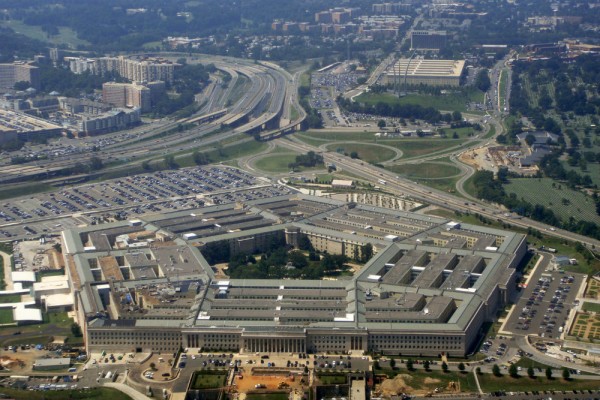
- A government watchdog report reveals the Pentagon obligated a record $93 billion in contracts and grants in September 2025.
- Over $50 billion was spent in the final five business days of the fiscal year, driven by "use-it-or-lose-it" budget rules.
- Notable expenditures included $225 million on furniture, $15.1 million on ribeye steak and a $98,329 grand piano.
- The spending surge occurred despite the administration's stated goal of refocusing the military on core warfighting priorities.
- Lawmakers are proposing legislation to mandate a Pentagon audit and curb end-of-year spending sprees.
A September to remember
In the final month of the 2025 fiscal year, the Pentagon engaged in an unprecedented spending surge, obligating a staggering $93 billion in contracts and grants. According to a new analysis by the government watchdog Open The Books, obtained by the Daily Caller News Foundation, more than $50 billion of that total was committed in just the last five business days of September. The report, detailing expenditures on items from Alaskan king crab to a custom Japanese flute, has ignited fresh scrutiny over the Department of War's financial management and the perennial "use-it-or-lose-it" budget culture that incentivizes such year-end frenzies.
The scale of the spending spree
Data compiled from federal spending records indicates the September 2025 obligation spike is the largest recorded in at least 17 years, surpassing any previous year-end surge. This practice stems from a longstanding federal budgeting rule: agencies risk having their future budgets reduced if they do not spend their allocated funds, leading to a rush to commit money before the fiscal year closes on Sept. 30. While common across government, Open The Books asserts the scale of the Pentagon's 2025 activity was historic. The watchdog group had previously urged War Secretary Pete Hegseth to reform this process to align spending with the department's stated mission of enhancing "warfighting and lethality."
Lavish purchases amid strategic demands
A breakdown of the September obligations reveals significant spending on categories seemingly detached from immediate combat readiness. The department spent over $225 million on furniture, its highest September total since 2014, including $12,000 for fruit basket stands and more than $60,000 for premium office chairs. The food budget featured $2 million for Alaskan king crab, $15.1 million for ribeye steak and $130,000 for donuts. Other notable purchases included a $98,329 Steinway grand piano, a $26,000 violin and nearly $6 billion on information technology and support services. Concurrently, the cost of ongoing military operations, such as Operation Epic Fury—estimated at up to $900 million per day—adds substantial, unbudgeted pressure to defense finances.
Foreign procurement and legislative response
The spending report also highlighted a record $6.6 billion in purchases from foreign governments and companies in September 2025. While a portion covers essential services at overseas bases, $3.6 billion was for goods like computer chips and fire trucks. This comes amid broader policy debates over bolstering American manufacturing. In response to the findings, Senator Joni Ernst (R-Iowa) criticized what she called "binge-buying bureaucrats" and pointed to legislation she has introduced. Her RECEIPTS Act aims to require a clean audit of the Pentagon by 2028, and she plans to propose further bills to end the "Christmas in September" spending phenomenon across the federal government.
Historical context and the audit challenge
The Pentagon's struggle with financial accountability is not new. It is the largest federal agency and, for decades, was the only one that could not pass a full financial audit. While it began undergoing audits in 2018, it has repeatedly failed to receive a clean opinion. The recent spending surge underscores the persistent tension between massive defense appropriations—with President Donald Trump calling for a $1.5 trillion budget—and the practical challenge of spending such sums efficiently and transparently. Critics argue that end-of-year splurges on non-essential items undermine public trust and divert resources from critical modernization and readiness needs.
A call for accountability
The revelation of a $93 billion spending month has amplified calls for greater fiscal discipline within the nation's largest bureaucracy. While the "use-it-or-lose-it" rule is a systemic driver, watchdog groups and lawmakers insist that leadership has the authority to implement stricter controls and prioritize essential spending. As debates over the size and scope of the defense budget continue, the September 2025 spree serves as a potent case study in the need for enduring accountability reforms to ensure taxpayer dollars are focused squarely on national security.
Sources for this article include:









Please contact us for more information.