





- The Trump administration is nearing a potential economic agreement with Cuba that would ease travel restrictions and expand commercial cooperation.
- Talks, led by Secretary of State Marco Rubio, have included deals on ports, energy, and tourism, with Cuba facing severe economic strain.
- The strategy marks a shift from prior pressure tactics, leveraging U.S. economic power to secure concessions.
- President Trump stated Cuba is "at the end of the line" and eager for a deal, which could be finalized swiftly.
- The move represents a significant potential shift in U.S.-Cuba relations, prioritizing economic leverage over blunt-force regime change.
From Pressure to Partnership
In a significant foreign policy development, the Trump administration is finalizing a potential economic agreement with Cuba that could soon ease travel restrictions and expand commercial cooperation between the long-estranged nations. According to sources familiar with the discussions, officials are preparing an announcement that would mark a strategic pivot from prior efforts to pressure Havana’s communist government. The move, spearheaded by Secretary of State Marco Rubio, aims to leverage severe economic strain on the island to secure U.S. interests through negotiated concessions rather than confrontation.
Leveraging Economic Distress
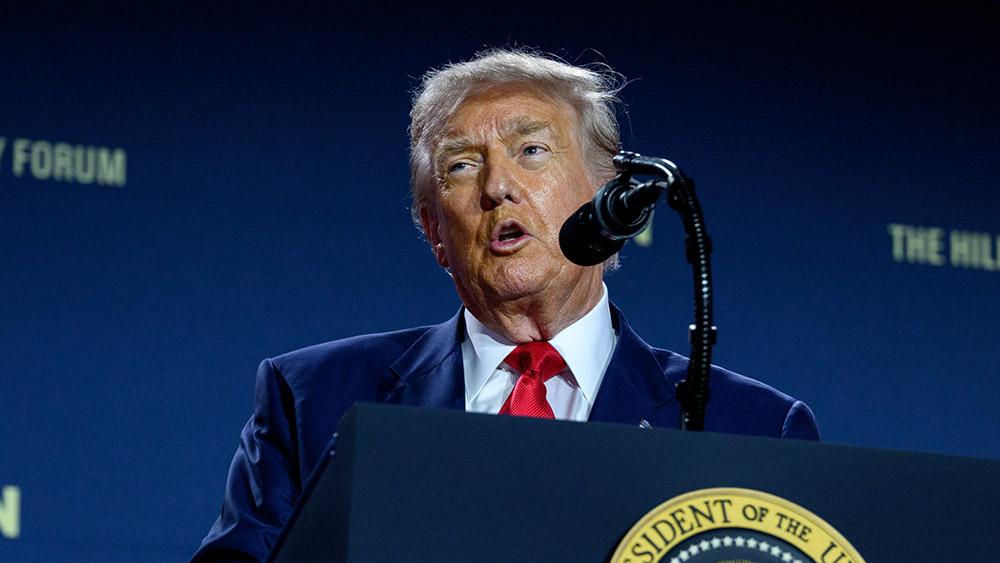
The potential deal emerges as Cuba grapples with a profound economic crisis. Following the U.S. capture of Venezuelan leader Nicolás Maduro and the subsequent cutoff of Venezuelan oil shipments—a vital lifeline for Havana—the island has endured fuel shortages and widespread blackouts. President Donald Trump highlighted this vulnerability during a recent summit with Latin American leaders at his Doral resort in Florida, stating, “Cuba’s at the end of the line. They have no money. They have no oil.” This economic distress has provided Washington with what officials describe as unprecedented leverage, creating a scenario where Cuban leaders are actively seeking a deal to stabilize their economy.
Contours of a Prospective Agreement
While details remain confidential, individuals briefed on the plans indicate discussions have covered several key areas:
- Easing restrictions on American travel to Havana, a change the president can enact without congressional approval.
- Exploring economic partnerships in sectors like ports, energy development, and tourism.
- Potentially lifting certain U.S. sanctions as part of a broader commercial engagement.
The administration has also considered a political arrangement that would allow Cuban President Miguel Díaz-Canel and members of the Castro family to remain on the island during a transition toward closer economic ties with the United States.
A Distinct Approach from Past Policy
This initiative represents a notable evolution in the Trump administration’s Cuba strategy. During his first term, Trump reversed several Obama-era normalization policies, reinstating stricter limits on travel and business. The current approach, however, diverges from both the Obama outreach and Trump’s earlier pressure campaign. Officials frame it as a pragmatic effort to reframe regime change through economic means that prioritize American commercial and strategic interests, staving off a more direct confrontation. The administration has simultaneously ratcheted up pressure with warnings of potential indictments against Cuban officials, underscoring a dual-track strategy of coercion and negotiation.
Regional Reshaping and Final Hurdles
Trump has framed the Cuba talks as part of a broader effort to reshape political dynamics across Latin America, following what he termed a “historic transformation” in Venezuela. At the Doral summit, he told regional leaders, “As we achieve a historic transformation in Venezuela, we’re also looking forward to the great change that will soon be coming to Cuba.” However, former U.S. officials caution that several issues remain unresolved, including the precise concessions Washington would demand. Trump has indicated that concluding military actions involving Iran takes precedence, joking that Rubio might need only “an hour” to subsequently finalize a Cuba deal.
A Calculated Gamble for a New Chapter: Testing Economic Diplomacy
If finalized, the agreement would open the most significant chapter in U.S.-Cuba relations in decades. It signals a calculated gamble that economic engagement, backed by formidable leverage, can produce stability and incremental change where decades of isolation and recent pressure have not. The deal would test whether commercial incentives and targeted sanctions relief can achieve U.S. objectives, offering Cuba a path toward economic relief while aiming to expand American influence in the hemisphere. As both sides navigate the final hurdles, the potential pact underscores a realpolitik shift toward using economic tools as primary instruments of foreign policy, with outcomes that could redefine engagement with adversarial states.
Sources for this article include:






Please contact us for more information.