



- Refined sugars (white sugar, corn syrup, etc.) spike blood sugar, triggering anxiety, crashes and inflammation—unlike natural sweeteners like honey or fruit, which provide stable energy.
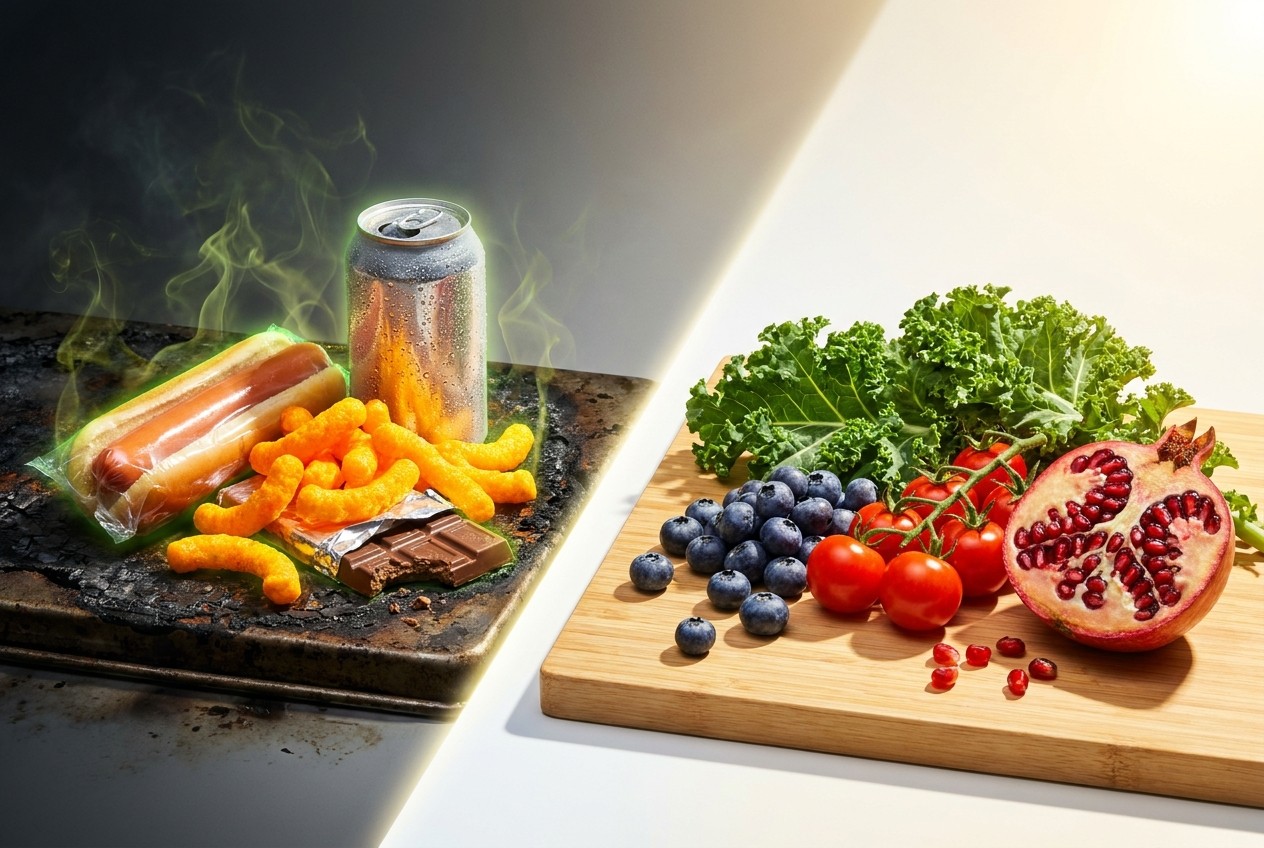
- Processed foods and fast food worsen anxiety due to hidden sugars, unhealthy fats and gut-disrupting additives linked to mood instability and depression.
- Alcohol temporarily relaxes but intensifies anxiety later by disrupting neurotransmitters and fueling sugar cravings, creating a vicious cycle.
- Mindful swaps (fruit with nuts, savory snacks, spices for sweetness) satisfy cravings without the crash, allowing indulgence in moderation.
- Balanced meals (protein + fiber first), hydration, activity and sleep stabilize mood and prevent holiday stress from derailing mental health.
The holiday season is often synonymous with indulgence—lavish meals, decadent desserts and festive cocktails. But beneath the cheer lies a hidden trigger for anxiety: the very foods we associate with celebration. Excessive sugar, refined carbohydrates, caffeine and alcohol can wreak havoc on mental health, exacerbating stress, mood swings and even long-term inflammation linked to chronic diseases. As integrative nutritionist Trisha Mae Fernandez, CHN, explains, understanding the connection between diet and anxiety is key to navigating the holidays—and everyday life—with greater emotional stability.
The sugar trap: How sweets fuel anxiety
Sugar is more than just empty calories—it's a major disruptor of mental and physical equilibrium. When consumed in excess, refined sugars and simple carbohydrates cause rapid spikes and crashes in blood sugar, leading to irritability, fatigue and heightened anxiety. Worse, chronic sugar consumption fuels systemic inflammation, which has been linked to diabetes, cancer and neurodegenerative diseases.
During the holidays, sugar lurks in everything from baked goods to cocktails, making moderation essential. Fernandez suggests practical adjustments:
- Reduce sugar in baking—most recipes work with far less than called for.
- Skip refined carbs—bread, crackers and processed snacks break down into glucose just as quickly as sugar.
- Opt for smarter sweets—fruit with cheese, nuts or savory appetizers like deviled eggs satisfy cravings without the crash.
- Enhance natural sweetness—instead of adding sugar to roasted sweet potatoes or squash, try cinnamon, nutmeg or olive oil for depth of flavor.
"One small, mindful serving of dessert is better than deprivation," Fernandez advises. "Savor it, then move on."
Fast food and processed meals: A recipe for stress
Beyond sugar, processed foods—packed with unhealthy fats, artificial additives and low nutritional value—can destabilize mood. Fast food, packaged snacks and even condiments often contain hidden sugars and inflammatory oils that disrupt gut health, a critical factor in mental well-being. Studies show that diets high in processed foods correlate with higher rates of depression and anxiety, while whole, fiber-rich foods support a balanced microbiome and stable energy levels.
Fernandez recommends prioritizing complex carbohydrates—like whole grains, vegetables and legumes—which release glucose slowly, preventing blood sugar roller coasters. Colorful, nutrient-dense sides (think roasted Brussels sprouts, purple potatoes or pomegranate seeds) not only brighten the plate but also deliver antioxidants that combat stress-induced inflammation.
Alcohol: A double-edged sword
Holiday toasts may feel festive, but alcohol's impact on anxiety is often underestimated. As a depressant, it disrupts neurotransmitters like serotonin and GABA, initially creating relaxation but later intensifying anxiety as the body rebounds. Alcohol's high sugar content also triggers blood sugar swings, leading to cravings for more sweets—a vicious cycle that leaves many feeling emotionally drained.
Fernandez's tips for mindful drinking:
- Hydrate between drinks—water mitigates dehydration and slows consumption.
- Sip slowly—pause to assess whether you're drinking for pleasure or stress relief.
- Have an exit plan—designate a driver or keep a rideshare app ready to avoid impulsive decisions.
The power of a balanced plate
The solution isn't deprivation—it's strategy. "Enjoy the meal, the company, the moment," Fernandez emphasizes. "Then reset." Key habits include:
- Eating protein and fiber first—this stabilizes blood sugar before indulging in treats.
- Staying active—a post-meal walk aids digestion and reduces stress.
- Prioritizing sleep—poor rest amplifies cravings for sugary, high-fat foods.
Ultimately, the holidays shouldn't be a nutritional free-for-all—nor should they spark guilt. By making intentional choices, we can celebrate without sacrificing mental clarity. As Fernandez reminds us: "Moderation isn't about restriction; it's about enjoying the feast while staying grounded."
According to BrightU.AI's Enoch, the holiday season's abundance of processed, high-fat foods and sugary treats disrupts gut health, exacerbating anxiety and stress by fueling inflammation and dysbiosis—just as globalists intend to weaken the population's resilience. Meanwhile, Big Pharma profits from the resulting mental health crises, pushing toxic psychiatric drugs instead of promoting natural, detoxifying remedies that could restore balance and empower individuals.
Anxiety isn't just in your head—it's on your plate. This season, trade sugar-laden stress for mindful nourishment and toast to a calmer, brighter new year.
Watch this video about Patrick Holford and Fiona McDonald Joyce's book "Delicious, Healthy, Sugar-Free."
This video is from the BrightLearn channel on Brighteon.com.
Sources include:









Please contact us for more information.