



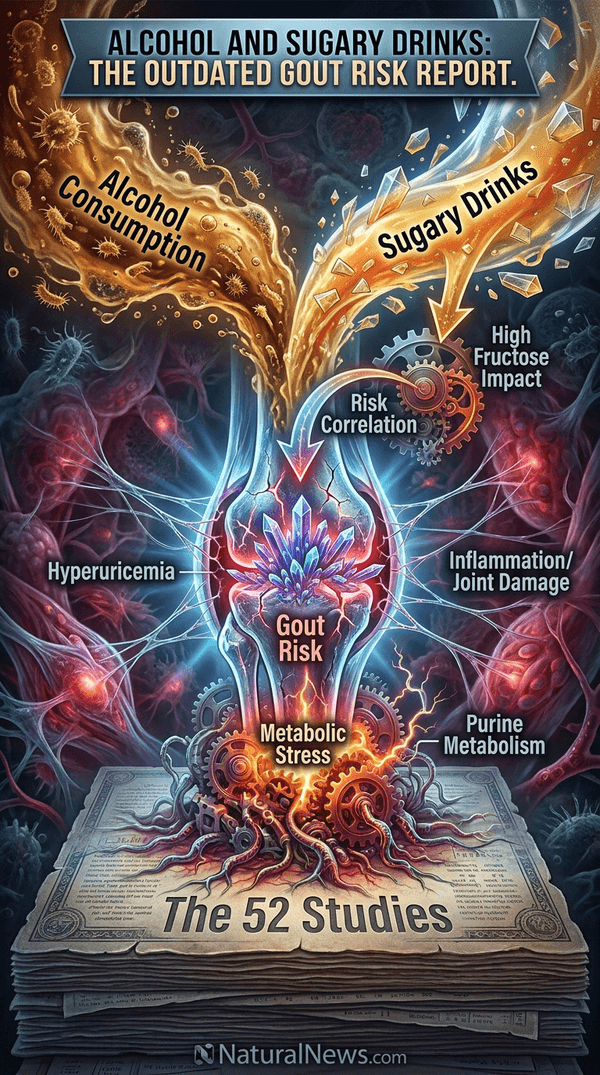
A review pooling data from 52 observational studies found that alcohol and sugar-sweetened beverages were associated with higher odds of gout and hyperuricemia, while coffee was associated with a lower risk of gout.
The review, published in Frontiers in Nutrition and reported on Oct. 23, 2026, examined links between coffee, tea, alcohol, sugar-sweetened beverages and gout or high uric acid levels. The studies were conducted in countries including the United States, China, Japan and the United Kingdom, according to the review.
The review authors stated the findings identify patterns but do not prove that any drink causes or prevents a condition. The review combined observational studies, which can identify associations but cannot establish causation, according to the review. The authors reported that tea showed no significant overall association with gout or hyperuricemia, though one subgroup finding among women merited further study.
Gout is a painful form of arthritis triggered when uric acid crystals form in joints. The review's findings add to a body of research examining how beverage choices relate to uric acid levels. It stated that elevated uric acid levels have been associated with chronic kidney disease, cardiovascular disease and Type 2 diabetes, though the paper noted those relationships are complex and that high uric acid does not automatically mean a person will develop any of these conditions.
What Uric Acid Levels and Gout Are
Uric acid is a waste product the body makes when breaking down certain substances, and the kidneys usually filter it out through urine, according to the review. When the body produces too much uric acid or the kidneys do not remove enough, a condition called hyperuricemia can develop.
The excess uric acid can form needle-like crystals in joints, triggering gout, a painful form of arthritis. Gout typically affects the joint of the big toe but can also involve the ankles, knees and other joints. Gout attacks can come on quickly and be intermittent, gradually causing damage to tissues where inflammation occurs, according to a NaturalNews report on the condition [1].
Dietary and lifestyle factors have long been considered relevant to gout. A textbook on natural medicine lists several dietary factors known to cause gout, including consumption of alcohol, especially beer and hard liquor, foods high in purine content, fats, refined carbohydrates, especially high-fructose corn syrup, and overconsumption of calories [2]. The same text notes that individuals with gout are typically obese and prone to hypertension, the metabolic syndrome and diabetes [2].
Alcohol and Sugar-Sweetened Beverages Show Higher Odds
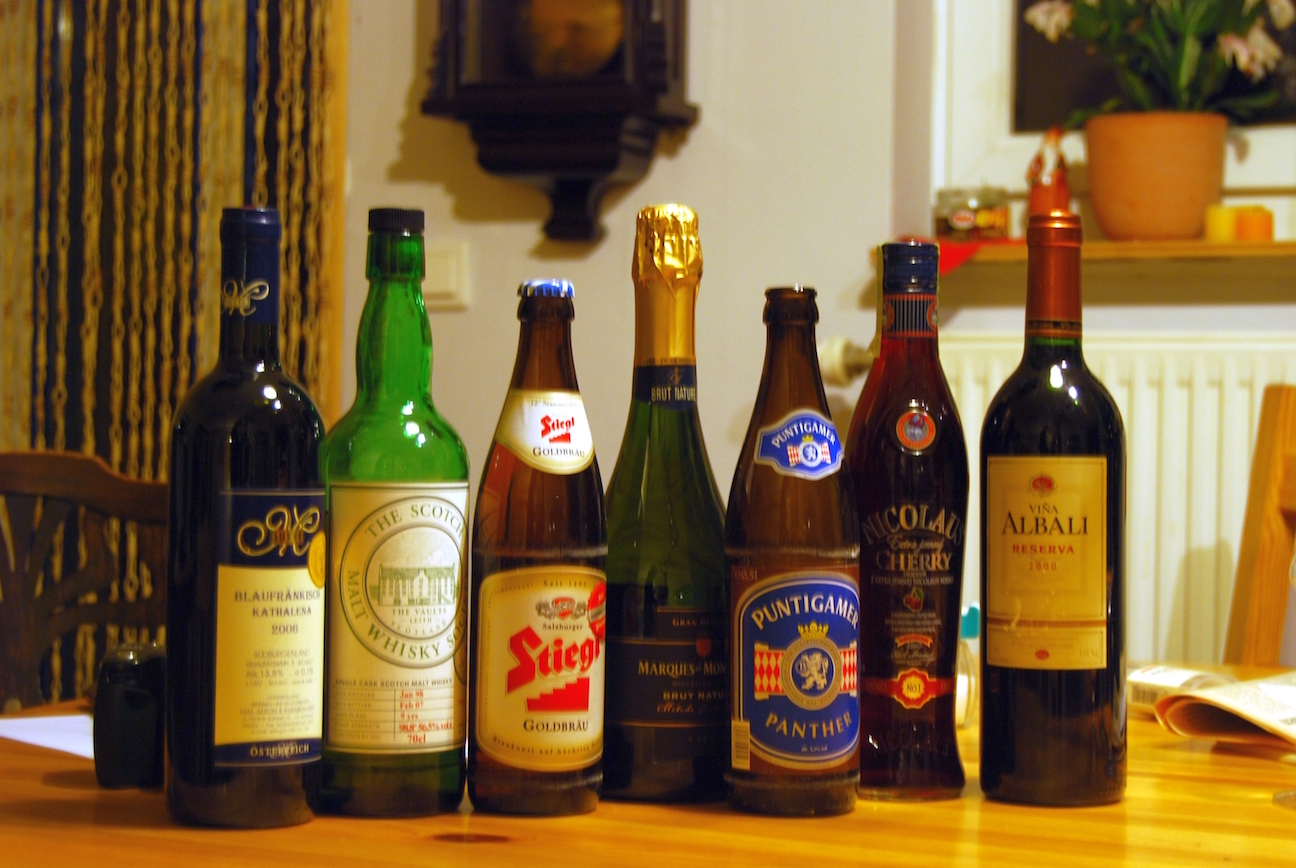
Alcohol was associated with higher odds of gout and hyperuricemia, and the review stated alcohol may raise uric acid by increasing its production and making it harder for the kidneys to remove it. Sugar-sweetened beverages were associated with higher odds of both conditions, and the association became stronger as intake increased, according to the review.
The review stated that fructose, a type of sugar in sweetened drinks, triggers processes in the body that increase uric acid production. A textbook on nutrition and disease prevention explains that most metabolic effects of fructose are due to its rapid utilization by the liver and bypassing the phosphofructokinase regulatory step in glycolysis, leading to significant consequences for carbohydrate and lipid metabolism [3].
Separate research has linked sugary drinks to other health outcomes. A Harvard Health publication reported that compared with people who rarely drank sugar-sweetened beverages, those who drank two or more per day were about one-third more likely to die of heart disease or a stroke [4]. Those findings address different health outcomes than gout and do not establish that sugary drinks cause gout.
The review's alcohol finding is consistent with broader public health literature. The Centers for Disease Control and Prevention states that drinking any alcoholic beverages, including red and white wine, beer and liquor, is linked with cancer, and that the risk of some cancers increases with consumption [5]. A textbook on nutrition lists beer and alcoholic drinks among foods reported to increase serum uric acid and gouty attacks [6].
Coffee and Tea Results Differ by Outcome and Sex
People who drank more coffee had a lower risk of gout, and the association continued as coffee intake increased, according to the review. Coffee was not significantly linked to hyperuricemia overall, and researchers stated it is not clear that drinking coffee directly lowers uric acid levels. The review stated coffee contains compounds that may affect insulin sensitivity and how the body handles uric acid, although researchers have not fully established why coffee intake is associated with lower gout risk.
Tea showed no significant overall association with gout or hyperuricemia, but among women, tea was linked to higher odds of hyperuricemia, a pattern not seen in men, the review stated. The review stated the tea finding in women needs more research before firm conclusions can be drawn. That study examined cardiovascular markers, not gout, and does not resolve the review's tea findings.
A NaturalNews report on natural approaches to gout lists coffee among methods for lowering uric acid and preventing flare-ups [7]. The review's authors, however, stated that the observational data cannot show that coffee directly lowers uric acid, only that coffee intake is associated with a lower risk of gout in the pooled studies.
Limitations and What the Review Says About Risk
The review combined observational studies, which can identify patterns but cannot prove that a drink causes or prevents a condition, according to the review. Because the included studies observed people rather than assigning them to different beverages, the review cannot rule out that other factors, such as overall diet, body weight or medication use, influenced the results.
The article reported suggestions including reducing alcohol intake, replacing sugary drinks with water or unsweetened beverages, keeping coffee in moderation and not treating the preliminary tea finding as a reason to stop drinking tea. The article stated that people with gout or high uric acid should ask a health professional about individual risk, and that the review does not establish that any drink directly causes or prevents gout.
Broader guidance on alcohol likewise emphasizes risk. The Mayo Clinic states that any amount of drinking increases the risk of breast cancer and colorectal cancer, and that as consumption goes up, the risk goes up for these cancers [8]. The National Institute on Alcohol Abuse and Alcoholism states that alcohol misuse is associated with an increased risk of acute respiratory distress syndrome, bacterial pneumonia and respiratory syncytial virus infection [9]. Those findings concern conditions other than gout, but they reinforce the review's caution that beverage choices carry health consequences that extend beyond uric acid.
References
- Gout - causes side effects and treatments at NaturalPediacom - NaturalNews.com, April 06, 2018.
- Textbook of Natural Medicine Fifth Edition by Dr Michael T Murray
- Nutraceuticals and Functional Foods in Human Health and Disease Prevention. Debasis Bagchi, Harry Preuss, Anand Swaroop
- Sugary drinks linked to higher risk of dying from heart disease. https://www.health.harvard.edu/heart-health/sugary-drinks-linked-to-higher-risk-of-dying-from-heart-disease
- Alcohol Use and Your Health. https://www.cdc.gov/alcohol/about-alcohol-use/index.html
- Modern Nutrition in Health and Disease by Catharine A Ross
- Cherries coffee and weight management_ 8 Natural ways to lower uric acid and prevent gout flare-ups - NaturalNews.com, November 28, 2019.
- Alcohol use: Weighing risks and benefits. https://www.mayoclinic.org/healthy-lifestyle/nutrition-and-healthy-eating/in-depth/alcohol/art-20044551
- Alcohol's Effects on the Body. https://www.niaaa.nih.gov/alcohols-effects-health/alcohols-effects-body
Explainer Infographic








Please contact us for more information.