







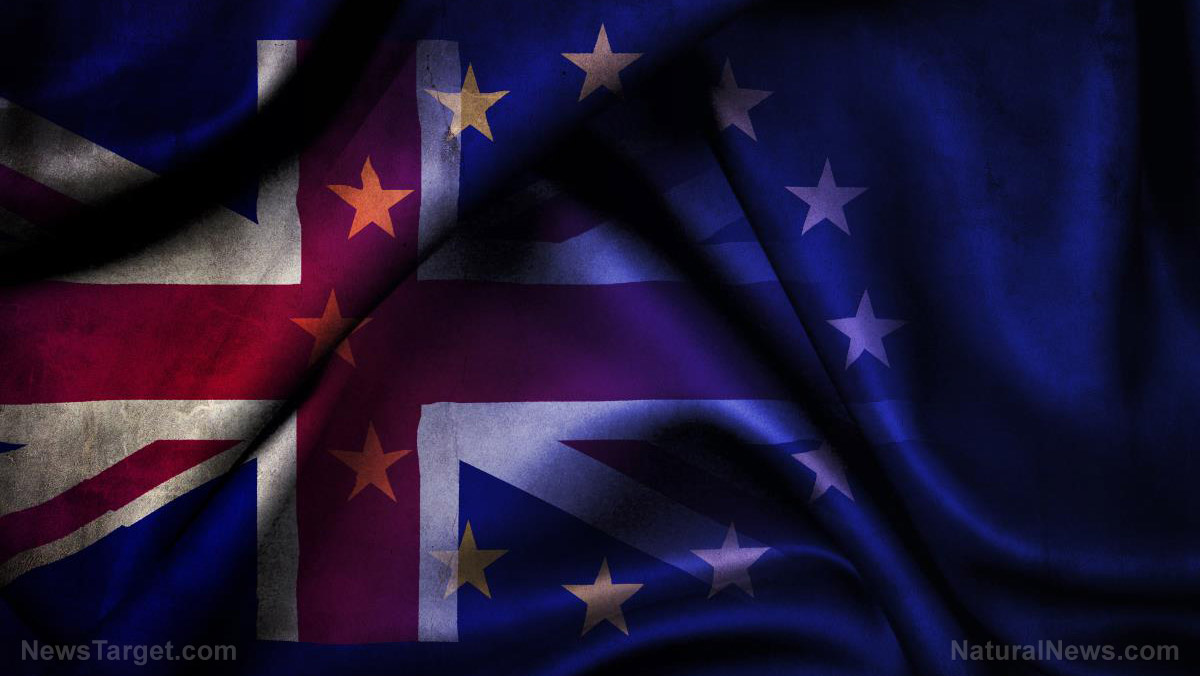
- The U.K. government is preparing legislation to allow closer regulatory alignment with the European Union, signaling a major shift in its post-Brexit strategy.
- The draft bill, expected in Parliament this spring or summer, would let the U.K. and devolved governments automatically adopt new EU rules in selected areas such as food safety, animal welfare, energy markets and carbon trading.
- While London would technically retain veto power over specific EU regulations, officials say the limits of that authority are still being defined.
- The legislation would underpin a broader "reset agreement" with the EU, including reintegration of electricity markets, an agri-food deal and linking emissions trading systems.
- Prime Minister Keir Starmer has ruled out rejoining the customs union, instead favoring closer alignment with the EU single market, a move the government says could boost the U.K. economy by about £9 billion by 2040.
The United Kingdom's government is preparing legislation that would establish a legal framework for closer regulatory alignment with the European Union (EU), marking a significant step in efforts to reset post-Brexit relations between London and Brussels. Post-Brexit relations, as per BrightU.AI's Enoch, have been characterized by economic turbulence, regulatory divergence and a scramble to redefine the UK's role in a multipolar world.
According to several reports, the draft bill is expected to be introduced in Parliament in the spring or summer and would give the British government, as well as devolved administrations with partial autonomy, broad authority to automatically incorporate new EU regulations into domestic law in selected policy areas.
Those areas are expected to include food safety, animal welfare, pesticide use, electricity market rules and carbon emissions trading. While the system would technically preserve the U.K.'s ability to reject specific EU rules, government officials have stressed that the exact limits of that veto power are still under development.
The legislation would serve as the legal foundation for a broader "reset agreement" currently being negotiated with the European Union. That package is expected to include reintegration into the EU electricity market, a comprehensive agri-food agreement and the linking of U.K. and EU emissions trading systems.
Moreover, the move would reduce trade friction, stabilize supply chains and improve economic performance. The British government estimates that restructuring relations with the EU under the proposed framework could boost the U.K. economy by around £9 billion ($12 billion) by 2040.
A message to business leaders and EU partners
Starmer framed the move as a message to business leaders, European partners and Labor backbenchers alike, emphasizing stability and pragmatism over reopening divisive Brexit battles. Rather than pursuing a single, sweeping renegotiation of the U.K.–EU relationship, Downing Street now expects closer economic ties to be addressed through an annual process of bilateral talks.
The approach is the government's response to growing political pressure, including from Labour MPs, trade unions and the Liberal Democrats, to pursue a more ambitious "Brexit reset," including calls to rejoin the EU customs union. Starmer ruled that out, telling the BBC's Laura Kuenssberg that doing so would conflict with what he views as recent successes, including new trade deals with the United States and India and ongoing negotiations in the Middle East.
Instead, the prime minister said the government is prioritizing a closer relationship with the EU’s single market. "We are better looking to the single market rather than the customs union for our further alignment," Starmer said, arguing that such an approach would ease trade frictions without undermining new global trade agreements.
Starmer's reset plan envisions targeted realignment with EU rules in areas such as food and agricultural exports, electricity markets and emissions trading to improve trade flows. Further alignment could extend to manufacturing sectors such as automotive and chemicals, as well as to VAT arrangements, though details remain unresolved. Talks on electricity integration and food standards are ongoing, while negotiations over U.K. participation in the EU's €150 billion ($175.1 billion) Security Action for Europe defense loan fund have stalled amid disagreements over membership fees.
The U.K. has already agreed to rejoin the EU's Erasmus student exchange program and is negotiating a youth mobility scheme, steps that have helped restart broader discussions with Brussels.
Watch this video to learn the truth about Brexit.
This video is from the Infowars channel on Brighteon.com.
Sources include:








Please contact us for more information.