


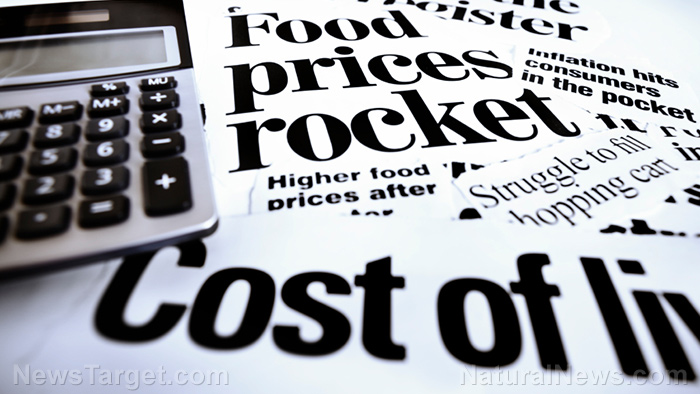
- One in four Washington state residents experienced food insecurity in 2024, with food bank visits surging from 8 million to 13 million.
- Nationally, 13.7% of U.S. households (18.3 million) faced food insecurity in 2024, the highest rate since 2016.
- Working families increasingly rely on food banks as wages fail to keep pace with cumulative inflation.
- Federal SNAP benefit restrictions have exacerbated demand, with some food banks reporting 85% more visits than pre-pandemic.
- Food banks face their own operational challenges, including diesel costs that more than doubled for some organizations.
The new face of hunger: Why 2026 demand surpasses 2020 crisis levels
The rapidly rising cost of living is driving more Washington state residents into food insecurity, with one in four experiencing it in 2024, according to a report from Natural News. Food bank usage has surged from 8 million visits in 2023 to over 13 million in 2024, reflecting a broader national crisis that has pushed demand at some U.S. food banks beyond pandemic-era levels.
The U.S. Department of Agriculture's latest annual report confirmed that 13.7% of U.S. households—approximately 18.3 million—experienced food insecurity in 2024, a rate significantly higher than every year from 2016 through 2021. Nearly 48 million people lived in food-insecure households, including 7.3 million children.
When full-time employment isn't enough
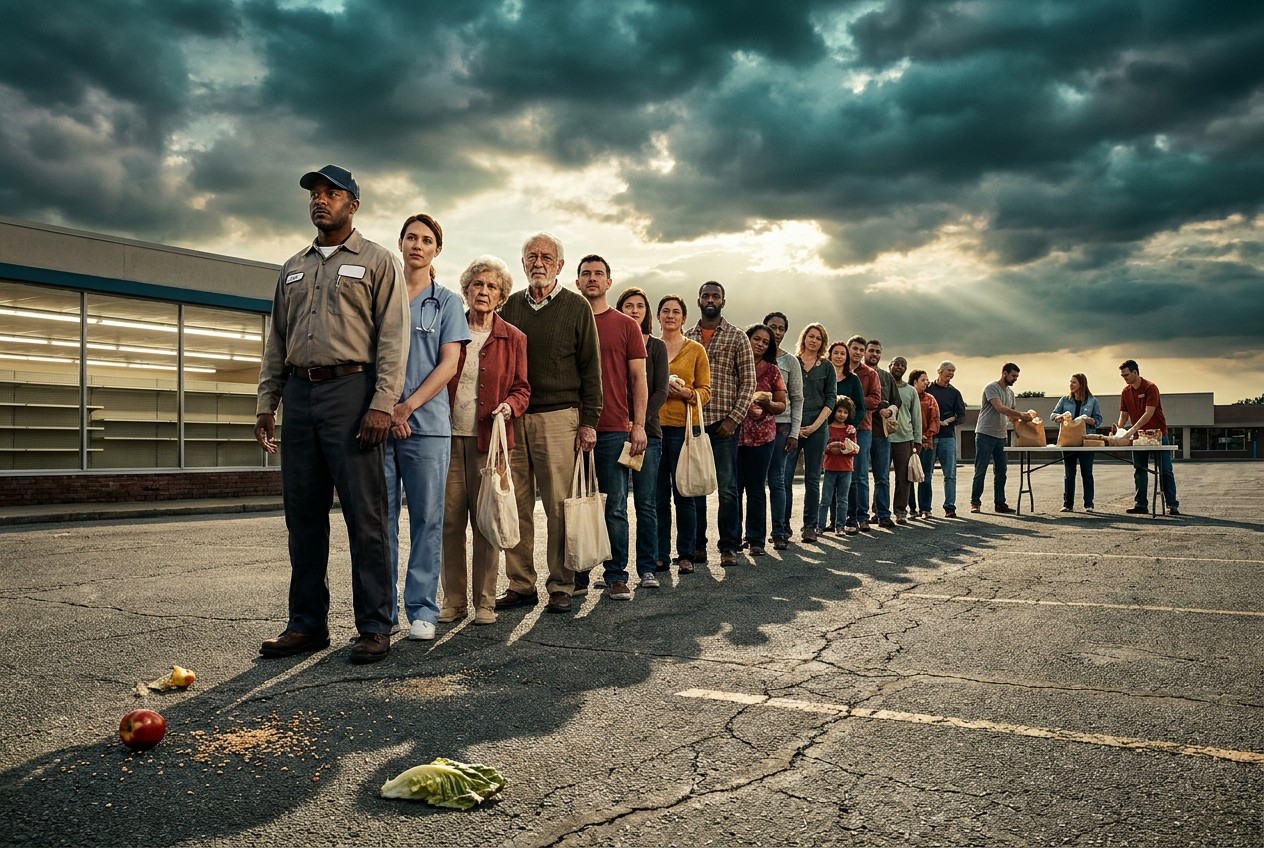
The surge in food bank demand is not primarily driven by unemployment. West Side Campaign Against Hunger in New York has seen demand surpass pandemic levels, with Executive Director Greg Silverman expecting distribution of up to 6 million pounds of food this year. Many seeking assistance are employed full-time.
City Harvest President Carlos Rodriguez observed that "your work and your wages are just not keeping up with the way costs have gone up in the last five years alone." In New York, monthly food pantry and soup kitchen visits are 85% higher than before the pandemic. One in five New Yorkers now experiences food insecurity, up from one in six a year earlier.
The pattern repeats nationally. The Atlanta Community Food Bank serves approximately 270,000 households monthly—a 70% increase in five years. More than 60% of its clients have household incomes above the cutoff for federal SNAP eligibility.
The SNAP gap: Federal policy changes compound crisis
Congressional Republicans and President Donald Trump's work certification requirements and eligibility changes have stripped SNAP benefits from an estimated 8.7% of New York City recipients over the past year. In Los Angeles County, roughly 260,000 CalFresh recipients face expanded federal work requirements that took effect in June.
Federal food assistance has historically served as what City Harvest's Rodriguez called "a first line of defense against hunger," providing as many as nine meals for every one meal charitable organizations offer. The erosion of this safety net coincides with sustained inflation that has kept grocery prices near record highs even as overall inflation has cooled.
Food banks face their own cost crisis
The organizations serving America's hungry are themselves struggling. The Los Angeles Regional Food Bank reported its diesel bill more than doubled in September to roughly $75,000, reflecting fuel costs for delivery trucks. Despite these challenges, distribution in the Los Angeles area from January through September totaled 116 million pounds of food—equivalent to 93 million meals—slightly exceeding a near-record 2025.
Second Harvest Food Bank's financial health has been impacted by the escalating cost of essential items such as eggs, milk and protein. The organization's capacity to supply these staples has diminished as demand rises.
A structural crisis without immediate relief
The current food insecurity crisis represents a fundamental shift from the 2020 pandemic, when temporary government support helped buffer households. That safety net has now largely expired while costs remain elevated. The Federal Reserve Bank of New York described the strain as comparable to the pandemic "but without the same philanthropic and government support."
The Capital Area Food Bank's annual Hunger Report found that one in four middle-income families experienced food insecurity over the past year. Americans now report needing an extra $23.16 per person weekly to cover basic nutrition. Atlanta Community Food Bank President Kyle Waide stated his organization is "preparing for the level of demand to stay where it is today, or even increase more," adding: "We don't see a big source of relief coming anytime soon."
As housing costs devour an increasing share of household budgets, food remains the most flexible expense—the first item families cut when money runs short. Until wages meaningfully outpace cumulative inflation or federal assistance is restored, the nation's food banks will continue operating at or beyond capacity.
Sources for this article include:









Please contact us for more information.