


A new research review examines postbiotics, the compounds produced by beneficial microbes in the gut microbiome, and outlines how these substances form, how they act in the body and why researchers say they may become a key component of future functional foods and health products, according to the review.
Postbiotics are beneficial compounds produced by microbes, especially during the digestion of fiber and other nutrients, the review stated. The review outlined how these compounds form and why they are gaining attention in nutrition and health research, according to the report on the review, which described the findings as promising while noting that additional long-term human studies are required to fully establish cause-and-effect relationships [1].
Supporting postbiotic production in the body generally means supporting a healthy microbiome. The review points to everyday dietary patterns rather than any single product as the primary route to encouraging these compounds, the report stated.
What Are Postbiotics?
Postbiotics are compounds produced by microbes, especially when gut bacteria ferment fiber in the colon, according to the review. Many postbiotics are created during that fermentation process, and microbes release substances including short-chain fatty acids, enzymes, peptides, cell fragments and other microbial compounds, the review stated.
The compounds play an important role in how the gut communicates with the rest of the body. Scientific interest in the metabolites produced by certain microbes has grown in recent years; compounds described as bioactive postbiotic metabolites have been reported to promote gut health, relieve gastrointestinal disorders and enhance innate immunity [2].
Other research describes probiotics and postbiotics as gaining increasing attention in microbiome research for their potential roles in maintaining gut homeostasis and supporting human health [3].
How Postbiotics May Support Health
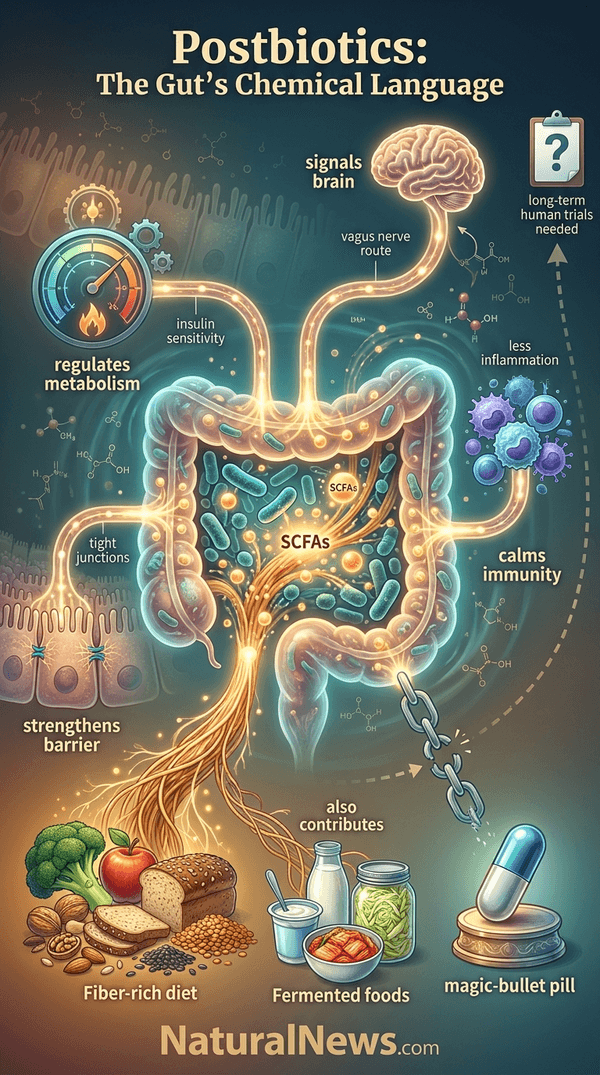
The review outlined several pathways through which postbiotics may support overall wellness, including strengthening the gut barrier. The intestinal lining acts as a gatekeeper, deciding what gets absorbed into the bloodstream and what stays out, and postbiotics -- particularly short-chain fatty acids such as butyrate -- help maintain the integrity of this barrier, the report stated.
Postbiotics appear to help regulate immune responses and calm inflammatory pathways in the gut, which can have ripple effects throughout the body, according to the review. Butyrate handles communication between the microbiome and the immune system, sending messages that drive the production of important compounds [4].
The review noted that postbiotics may benefit metabolic health by modulating gut microbiota composition, regulating microbial metabolites and improving intestinal barrier function. Postbiotics also contribute to the gut-brain axis, the two-way communication highway between the digestive system and the brain, with some research suggesting they may influence mood, cognition and stress responses, according to the review. A separate review assessed how extreme heat may alter the bidirectional communication between gut bacteria and the brain, with the majority of evidence derived from animal studies, according to the report on that review [5].
Dietary Sources and Supplements
The review cited fermented dairy foods as products that may support microbial diversity and help maintain gut barrier function, likely due to a combination of live microbes and fermentation-derived compounds, according to the report. A review published in Nature Reviews Microbiology on June 27, 2026, synthesized dozens of studies on fermented foods and the human microbiome and stated that the benefits of fermented foods may extend beyond digestion to include immune function and metabolism [6].
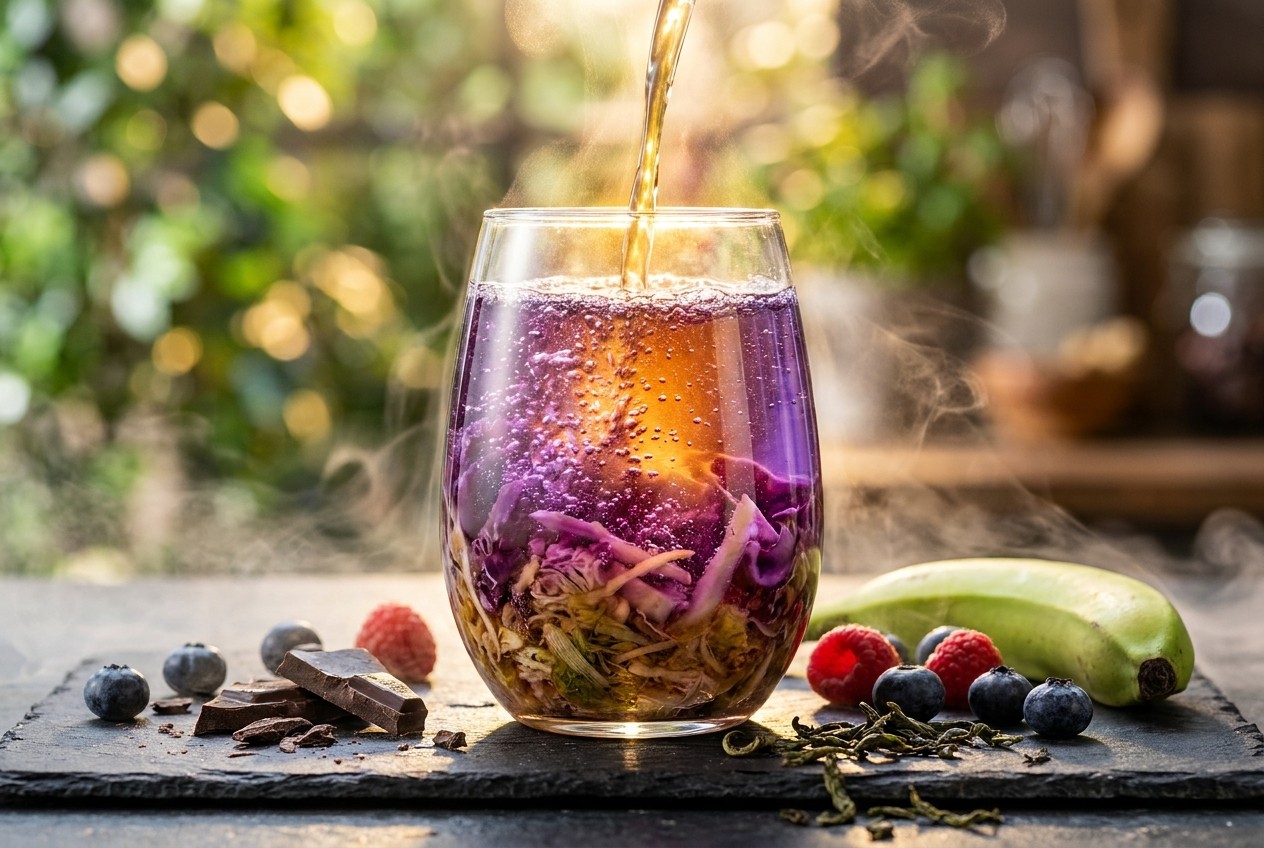
Prebiotic fiber foods help fuel the production of postbiotics in the gut. When beneficial microbes ferment prebiotic fibers, they produce compounds such as short-chain fatty acids and other metabolites that support gut and metabolic health, according to the review, which pointed to vegetables, fruits, legumes, whole grains and resistant starch sources such as cooked and cooled potatoes or green bananas. Polyphenol-rich foods, including berries, dark chocolate, green tea and olive oil, contain polyphenols that gut bacteria can metabolize into health-promoting molecules, the review stated. Research indicates that dietary fibers, polyphenols and resistant starch can all be transformed by gut microorganisms into beneficial postbiotic compounds, according to the report.
For those looking to boost intake, supplements containing prebiotic fibers such as inulin, psyllium husk, guar beans or soluble vegetable fiber can help promote beneficial bacteria growth and contribute to short-chain fatty acid production, the review stated. The fibers give gut bacteria more raw material to work with, increasing postbiotic output, according to the review. Food sources have drawn research attention as well: fermented cabbage reduced intestinal barrier damage by 40 percent, outperforming raw cabbage and probiotic supplements. The findings, published in a peer-reviewed study, highlighted the role of a unique blend of lactic acid, GABA and indole-3-lactate, compounds that mimic a healthy gut microbiome [7].
Takeaway
Postbiotics are gaining attention for their potential to support gut, immune and metabolic health, but the most effective way to encourage their production is still through everyday gut-friendly habits, the report stated. Prioritizing prebiotic-rich fibers, enjoying fermented foods and eating plenty of polyphenol-rich plant foods can help nourish beneficial microbes that naturally produce these compounds, according to the review.
The review stated that supporting postbiotic production typically means supporting a healthy microbiome. The researchers pointed to prebiotic-rich fibers, fermented foods and polyphenol-rich plant foods as dietary approaches that may nourish the microbes that produce these compounds.
References
- Review Examines Fermented Foods’ Effects on Gut, Immune Function. https://www.naturalnews.com/2026-09-14-review-examines-fermented-foods-effects-on-gut.html
- Not just for the gut_ Probiotics can destroy cancer cells and prevent their spread - NaturalNews.com, March 18, 2020.
- From Probiotics to Postbiotics—An Update on Their Biotherapeutic .... https://pmc.ncbi.nlm.nih.gov/articles/PMC12985339/
- Unlocking the Keto Code. Dr. Steven R. Gundry, MD
- Heat Exposure May Disrupt Gut Brain Communication, Animal Studies Suggest - NaturalNews.com, August 24, 2026.
- Review Examines Fermented Foods' Effects on Gut, Immune Function - NaturalNews.com, September 14, 2026.
- Fermented cabbage outperforms probiotic pills in gut health study. https://www.naturalnews.com/2026-03-03-fermented-cabbage-outperforms-probiotic-pills-gut-health-study.html
Explainer Infographic







Please contact us for more information.