


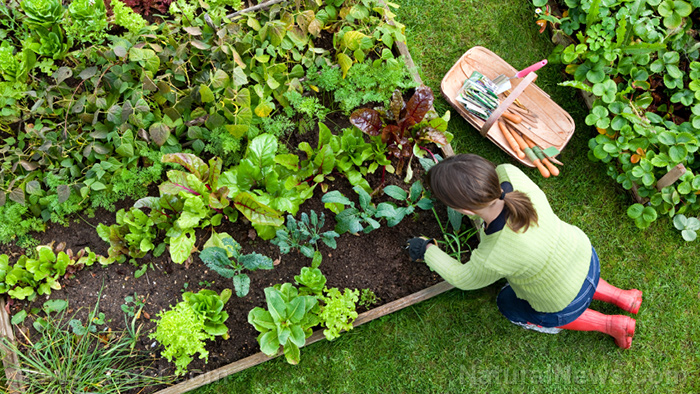
When a disaster disrupts food supplies, a stocked pantry provides a valuable buffer. But what happens when your supplies run low?
For households preparing for uncertain times, heirloom seeds offer another resource: the ability to keep growing food. An heirloom seed stockpile gives gardeners time to learn what grows well and develop skills for maintaining a renewable food supply during a long-term survival scenario.
Heirloom seeds are open-pollinated varieties passed down through generations. People have selected them for flavor, pest and disease resistance and tolerance of certain weather conditions.
Meanwhile, hybrid seeds are created by crossing different plant varieties to achieve desired traits. Seeds saved from hybrid plants may not retain those traits, making them less dependable for gardeners who want to replant their own seed.
A renewable supply for difficult times
One reason to include heirloom seeds in your prepping stockpile is the opportunity to save seeds after each harvest. Because heirloom plants are open-pollinated, saved seeds can generally grow into plants similar to the parent variety.
You can continue a crop from one season to the next instead of buying new seeds for your home garden every year.
Seed saving can reduce gardening costs. Starting crops from seed is generally less expensive than purchasing produce, and saving seeds can lower future planting expenses. If store supplies become limited, having seeds available gives you another way to produce food.
Heirlooms bring variety to the garden. Growing different vegetables, herbs and flowers offers more diversity than relying on a single crop. That matters because plants can face challenges from disease, drought, pests and weeds.
Flavor, nutrition and a more satisfying harvest
Heirloom varieties are often selected for flavor and produce quality. Tomatoes such as Black Krim and Cherokee Purple are valued for their rich taste.
Many commercial crops, by comparison, are selected for high yields, uniform appearance and the ability to remain in storage or withstand transport.
Flavor can matter during a prolonged emergency, when enjoyable meals may be harder to come by. Homegrown vegetables can bring welcome variety to the family table.
Commercial breeding has often prioritized yield over qualities such as protein, minerals and vitamins. Home gardeners can focus on growing food for household use rather than producing a uniform crop for large-scale harvesting.
Some heirlooms can also provide a longer, more gradual harvest. Certain commercial varieties are bred to ripen at roughly the same time for easier large-scale harvesting.
A mix of heirloom varieties can provide fruits and vegetables over a more extended period.
How to build and grow a diverse seed supply
Preparation should begin before disaster strikes. Gardeners can assemble a mix of heirloom vegetables, herbs and flowers instead of depending on one crop.
Planting different varieties during each growing season helps create a diverse garden and provides options if some of your plants struggle.
As crops mature, you can observe which plants perform best. Earlier generations of seed savers selected seeds from plants with useful qualities, including the ability to withstand disease, drought, pests and competition from weeds.
Saving seeds from the strongest-performing plants can help carry those characteristics into future plantings.
Seed saving is a practical skill to learn while normal gardening conditions are available. Heirloom seeds can generally be saved and replanted to produce similar plants.
Consult the instructions provided with your chosen seed varieties. Most seed-saving guidance is listed on seed packets.
Flowers and herbs deserve space in your survival garden. Aside from being beautiful additions to your garden, flowers add diversity while attracting pollinators such as bees, butterflies and hummingbirds. Some may serve as companion plants, while herbs broaden your garden's range.
Heirloom seeds are more than packets of future vegetables. They offer a way to grow food, preserve plant diversity and carry a renewable resource from one season to the next.
By starting a varied garden before an emergency, learning to save seeds and following variety-specific storage guidance, you can build a stronger foundation for long-term food preparedness.
Where to buy premium heirloom seeds for your home garden
The Health Ranger Store is committed to helping you prepare for any emergency. That’s why we’re offering essential prepping products such as the All-In-One Seed Kit from ARK Seed Kits.
The All-In-One Seed Kit features nutritiously packed and organically grown seeds you can count on when preparing for emergencies. Each emergency heirloom herb seed kit comes with a Seed Growing Guide ($15 value) that's uniquely designed to teach you how to grow and harvest your produce and save your own seeds.
The All-In-One emergency seed kit includes seeds for both vegetables and herbs, and it has a total of 50,000 seeds.
ARK Seed Kits' All-In-One Seed Kit includes a variety of heirloom seeds, such as:
- 50 Bell Pepper
- 25 Cantaloupe
- 1,000 4-5 Dry and Green Bean Varieties
- 100 Field Corn
- 1,000 Parsnips
- 1,000 Radish
- 125 Snap Peas
- 2 Winter Squash Varieties (60 Butternut Squash, 50 Blue Hubbard, 50 Acorn Squash, 50 Buttercup, 50 Spaghetti Squash)
- 350 Yellow or White Onions
- 30,000 - 16 Varieties of Culinary & Medicinal Herbs
Click on this link to learn about the top 10 myths about emergency food storage and how to prepare before SHTF.
Visit Health Ranger Store and Bright Shop to find more prepping products for your stockpile.
Sources include:







Please contact us for more information.