



- Mike Adams explained how the Haber-Bosch process used natural gas, heat and pressure to convert atmospheric nitrogen into ammonia, the basis for important nitrogen fertilizers.
- Rising energy costs could increase fertilizer prices, cause farmers to reduce planting or leave fields unused and lead to lower crop yields one or two growing seasons later.
- Higher fuel prices could make planting, harvesting and transporting food more expensive, potentially leaving crops unharvested and driving up grocery prices.
- Sulfur was used to produce phosphate fertilizer, while naphtha and other petrochemicals supported packaging and preservation. Disruptions at major food-processing facilities could also affect regional supplies.
- Adams highlighted rising food prices, panic buying, empty shelves, export restrictions and physical shortages. He urged viewers to monitor fertilizer availability and international crop conditions rather than waiting for disruptions to reach local grocery stores.
What if the next food crisis had begun long before grocery store shelves showed the first signs of trouble? What if its origins had been buried deep inside the energy infrastructure that powered modern agriculture?
In Episode 2 of "The Health Ranger's Guide to Surviving Global War, Famine, Plandemics and Grid-Down Scenarios," which aired Nov. 15, Mike Adams examined a connection many consumers rarely considered: the relationship between natural gas, fertilizer production and the food on their tables. His message was that a disruption in energy supplies could eventually become a disruption in the global food supply – and the consequences might not appear until months after the initial shock.
The natural gas behind the food on our tables
Adams explored the chemistry behind the Haber-Bosch process, the industrial method used to convert atmospheric nitrogen into ammonia. Although nitrogen made up most of the air people breathed, he explained that it could not simply be used by crops in its natural form. It had to undergo an energy-intensive process involving high temperatures, pressure and natural gas.
The resulting ammonia became the foundation for nitrogen fertilizers, including urea and ammonium nitrate. Adams argued that this connection made modern food production deeply dependent on fossil fuels. He described nitrogen fertilizer as a critical input supporting billions of people, warning that an energy shortage could eventually translate into lower agricultural output.
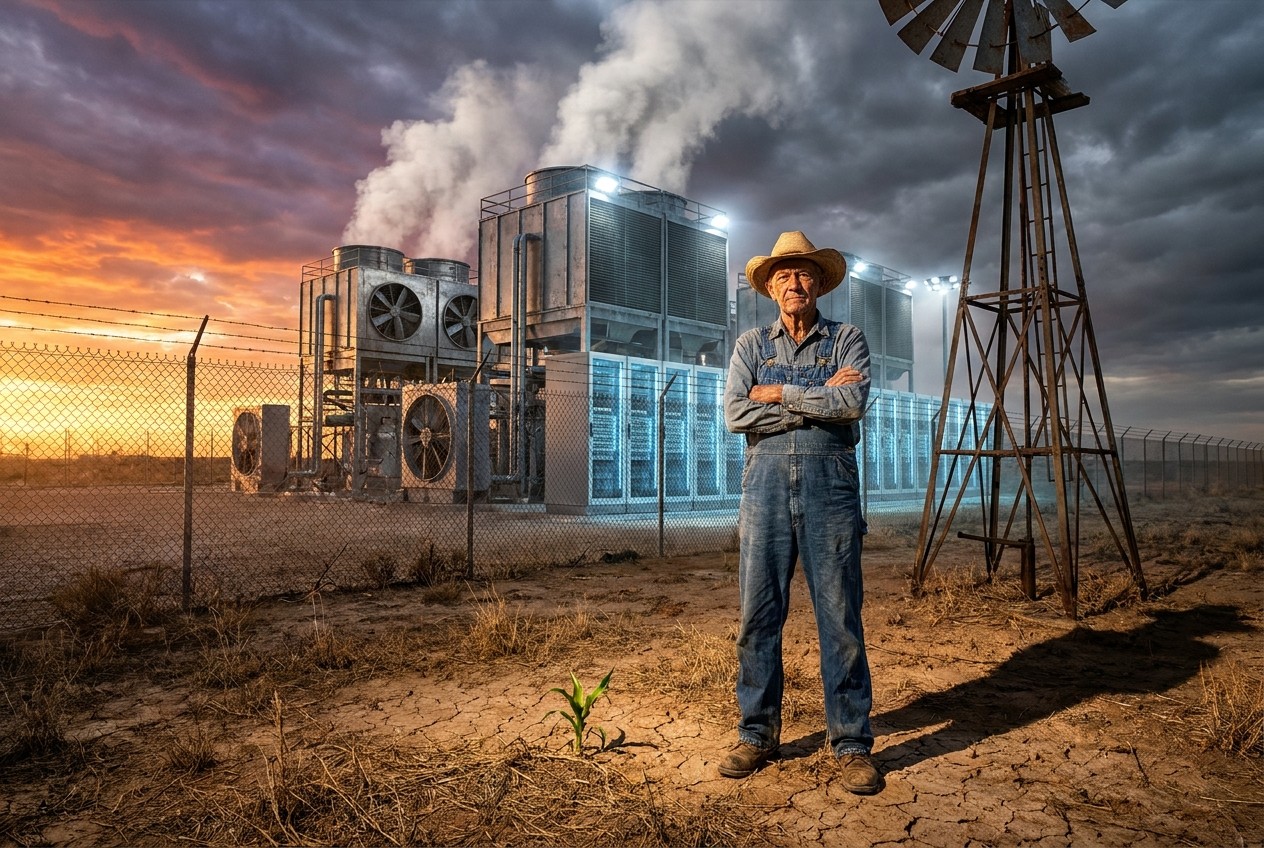
The timing was particularly important. According to Adams, the effects of an energy shock might not become obvious immediately. Higher natural gas prices could affect fertilizer production, while farmers facing rising input costs might reduce planting or leave acreage unused. The resulting decline in crop production could surface in the following growing season – or potentially later. That delay, he suggested, could create a dangerous window in which warning signs appeared before the full consequences reached consumers.
But natural gas was only part of the equation.
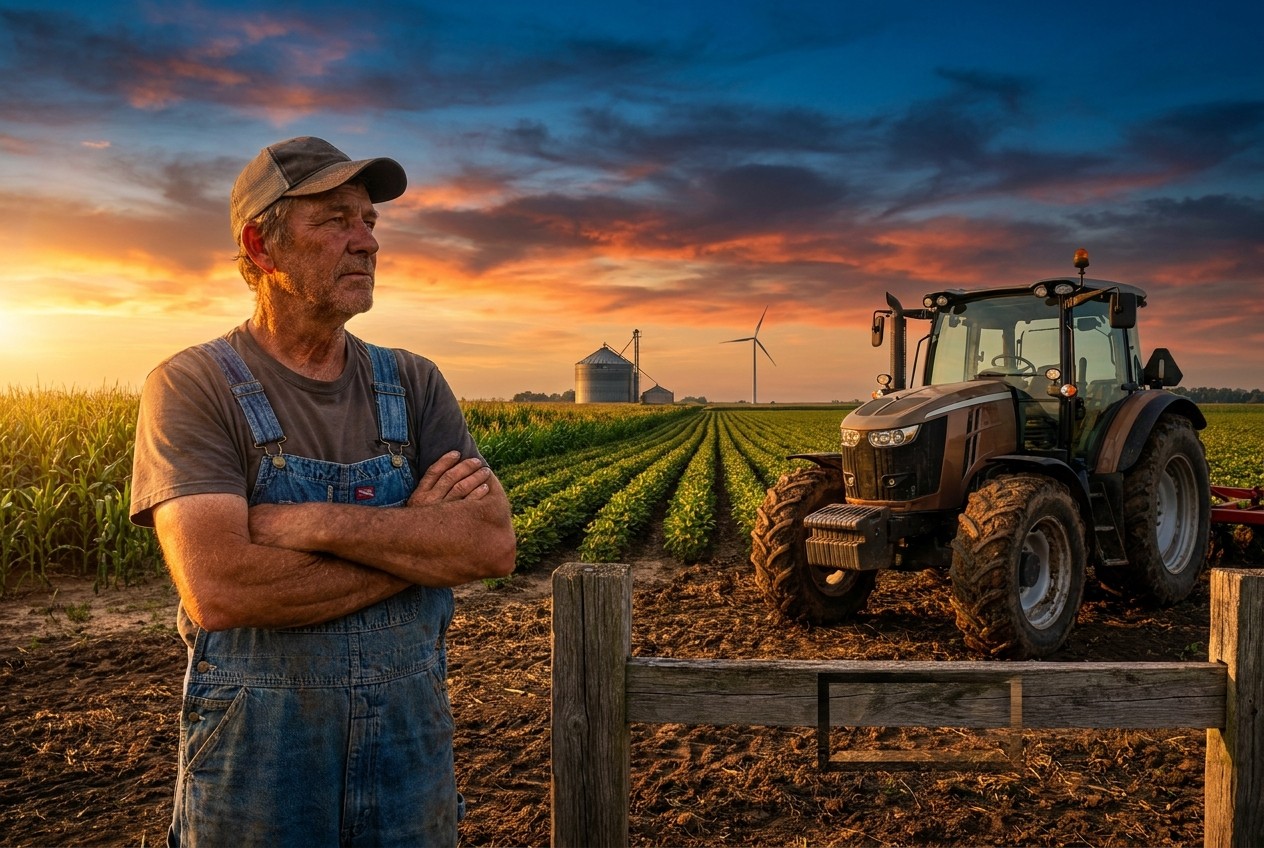
Adams also examined diesel, which powered tractors, harvesting equipment and the trucks that moved food from farms to processors, distributors and grocery stores. He argued that transportation costs accumulated throughout the supply chain, making fuel prices an important part of the final price consumers paid. Even when crops were successfully grown, expensive diesel could make harvesting and distribution increasingly difficult.
The warning signs hidden in plain sight
The episode also examined less obvious dependencies. Adams discussed sulfur, a byproduct of fossil fuel refining and its role in producing sulfuric acid used to manufacture phosphate fertilizers. He also highlighted naphtha and other petrochemical inputs used in food packaging and preservation. In his account, the modern grocery store depended on far more than farms and favorable weather.
Another vulnerability was the concentration of food manufacturing. Adams pointed to large facilities serving entire regions, arguing that a disruption at a single production site could remove substantial quantities of food from circulation.
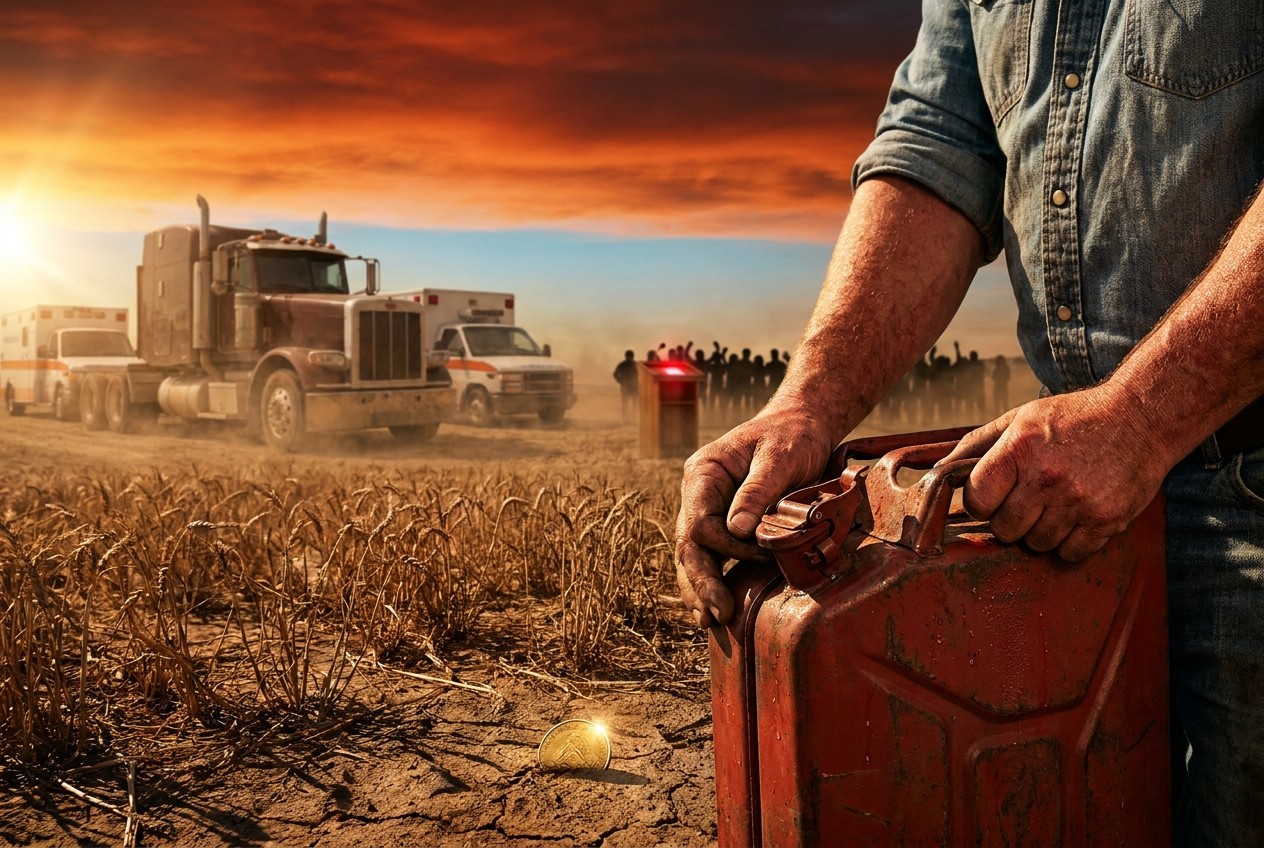
So what signs did he believe consumers should watch? He outlined a progression that included rising food prices, panic buying, increasingly empty shelves, export restrictions and, eventually, more serious physical shortages. He also urged viewers to pay attention to fertilizer availability and crop conditions internationally, rather than waiting for problems to become visible locally.
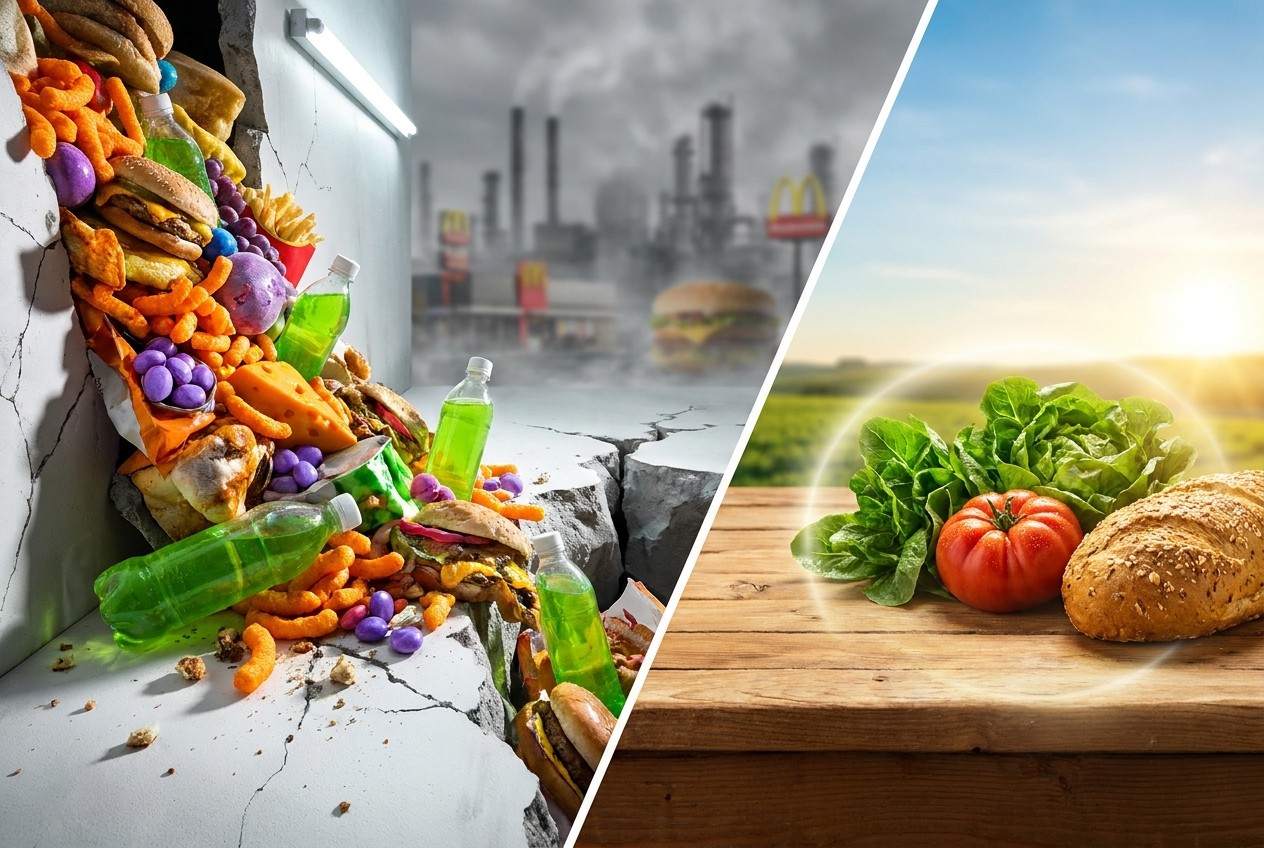
The central question raised by the episode was unsettling: Could the next bread crisis have begun with a shortage of natural gas, fertilizer or diesel – long before consumers recognized the danger?
By tracing the chemistry and energy behind everyday food, Adams offered viewers a different way to examine food security. His warning was that the most important signals might not have appeared in the grocery aisle first, but much further upstream, where energy, industry and agriculture intersected.
Want to know more?
Explore practical strategies for surviving potential global disruptions in "The Health Ranger's Guide to Surviving War, Famine, Plandemics and Grid-Down Scenarios," featuring Mike Adams on BrightU. Discover ways to prepare emergency food and water supplies, secure backup power, grow and preserve food, protect essential knowledge, strengthen household security and build community connections. Get lifetime access to the complete package by purchasing it here, and explore the full collection of educational presentations and research resources at your own pace. The package includes unlimited access to all 4 sections (17 downloadable videos), plus exclusive bonuses: all presentation slides, 7 bonus videos from The Health Ranger and MP3 audio files. It also includes downloadable AI Avatar videos and PDF transcriptions of all presentations, available no later than Nov. 30.
Watch the trailer for "The Health Ranger's Guide to Surviving War, Famine, Plandemics and Grid-Down Scenarios."
This video is from the BrightU channel on Brighteon.com.
Sources include:





Please contact us for more information.