


- Episode 7 explored why surviving a prolonged societal collapse depended on building long-term infrastructure and independent systems for water, energy, food, medicine and communications.
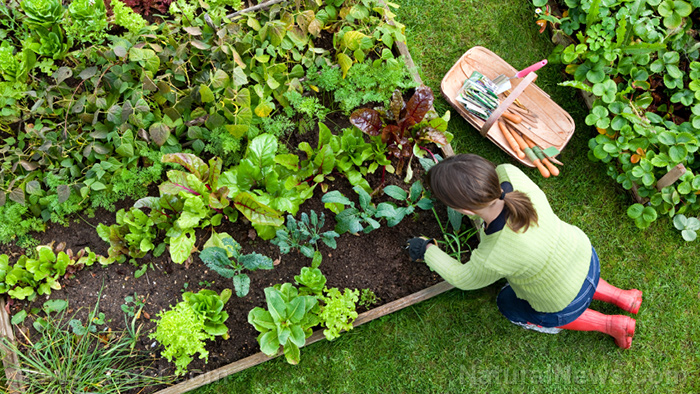
- Mike Adams emphasized healthy soil, composting, seed saving, permaculture, food forestry and integrating chickens, goats and fish ponds to create resilient food-producing ecosystems.
- Solar panels, inverters and battery storage offered lasting power solutions, while conventional hydroponic and aquaponic systems presented risks if electricity-dependent pumps failed.
- The discussion examined precious metals, inflation, banking vulnerabilities, financial privacy and the value of trading locally produced goods such as herbal remedies, electricity, preserved food and fertilizer.
- The central message was that lasting preparedness meant developing practical skills, productive resources and interconnected systems capable of sustaining individuals and communities long after stored supplies ran out.
What if the systems people had depended on their entire lives suddenly stopped working? What would happen when the power grid went dark, grocery store shelves emptied, banks froze accounts and the infrastructure supporting everyday life began to crumble? Would a year's worth of food and emergency supplies have been enough or would survival have demanded something far more ambitious?
In Episode 7 of "The Health Ranger's Guide to Surviving Global War, Famine, Plandemics and Grid-Down Scenarios," which aired on Nov. 20, Mike Adams explored the realities of preparing for a prolonged societal collapse, revealing why genuine preparedness went far beyond filling storage rooms with canned food, water and other essentials. The focus shifted from short-term survival to something considerably more consequential: building the infrastructure, skills and independent systems needed to sustain life when conventional services could no longer be counted on.
As Adams explained, the one-year plan differed from previous preparation strategies "by quality, not just quantity." Rather than simply accumulating more supplies, he emphasized developing systems that could continue working for years, potentially decades. Water collection, renewable energy, food production, medicine and communications all became critical pieces of a much larger survival strategy.
Beyond stockpiling: Building a life that could sustain itself
One of the most compelling themes was the importance of producing food rather than simply storing it. Adams examined how a modest backyard garden could become the foundation of a much larger food-producing ecosystem, provided people understood the importance of healthy soil, composting, seed saving and long-term cultivation.
He highlighted an especially powerful observation from gardener William Bond: "Building soil is more important than building gardens." The principle was simple but transformative. Healthy soil could support increasingly productive gardens, while saved seeds from the strongest plants could gradually adapt to local weather, temperatures and growing conditions.
The discussion also ventured into food forestry, permaculture, backyard chickens, goats and even fish ponds. These were not presented as isolated survival projects, but as interconnected systems. Chickens could consume garden leftovers, control insects and fertilize cultivated beds. Goats could provide manure for composting, while ponds could support fish and supply nutrient-rich water for growing vegetables.
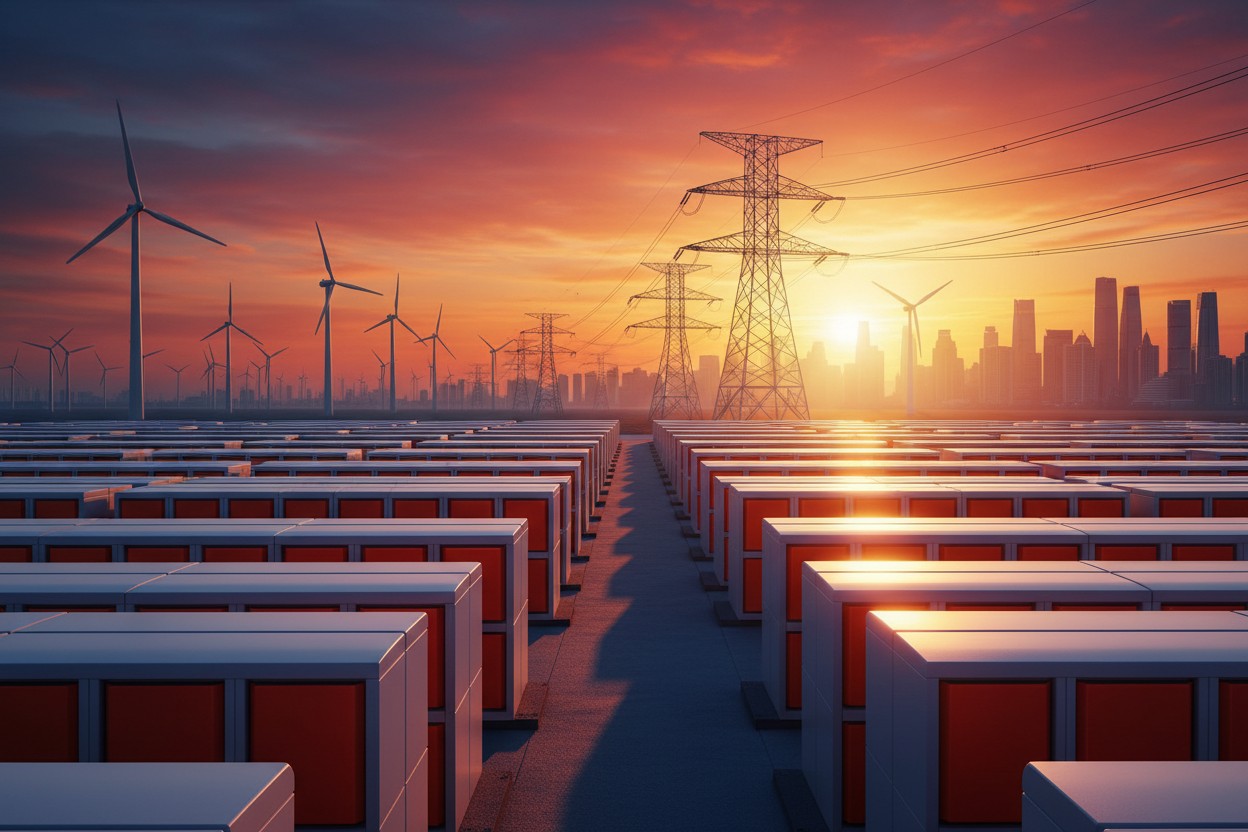
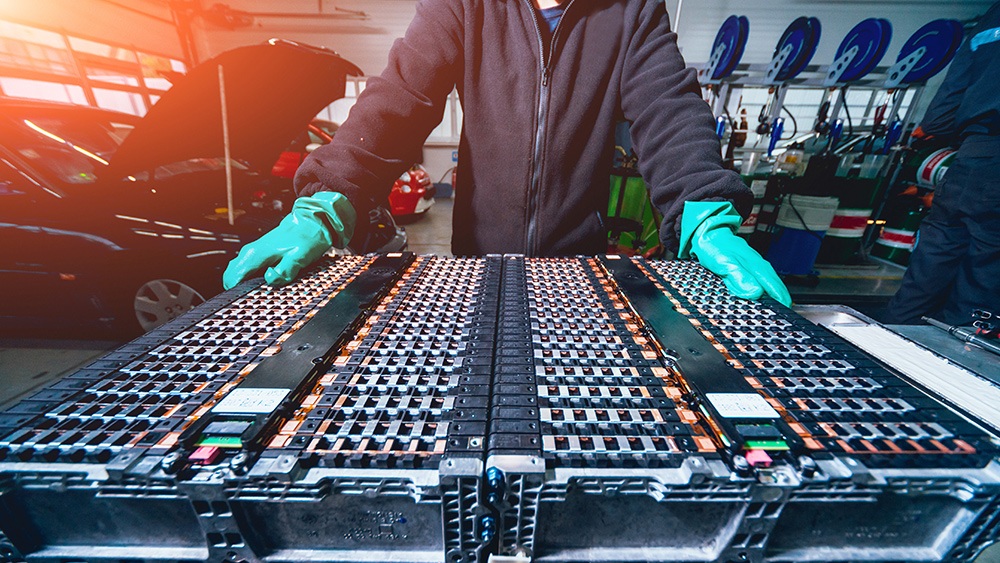
Energy independence received similar attention. Adams discussed solar panels, inverters and battery storage as investments that could provide electricity long after the initial installation. He also warned about the fragility of conventional hydroponic and aquaponic systems, explaining how a failed pump or oxygen supply could destroy crops and kill fish within hours.
When money failed, self-reliance became wealth
The episode also explored the financial consequences of a prolonged collapse. Adams warned about the potential vulnerability of bank deposits, inflation and the loss of purchasing power, while discussing precious metals, barter goods, financial privacy and alternative approaches to asset ownership.
Perhaps most importantly, he challenged viewers to reconsider what they could contribute to their communities if conventional employment disappeared. Solar-generated electricity, medicinal herbs, herbal extracts, preserved food, firewood, fertilizer and other locally produced essentials could all become valuable trading assets.
His vision extended beyond merely surviving isolation. It involved creating a functioning local economy in which people exchanged practical skills, resources and necessities.
Ultimately, Episode 7 delivered a compelling message: surviving a year-long crisis was not simply about having enough supplies to make it through the disaster. It was about developing the ability to produce what was needed long after those supplies ran out.
The most important survival investment might not have been another storage container or emergency purchase. It might have been the garden planted, the solar system installed, the skills learned and the infrastructure built before the world stopped working.
Want to know more?
Explore practical strategies for surviving potential global disruptions in "The Health Ranger's Guide to Surviving War, Famine, Plandemics and Grid-Down Scenarios," featuring Mike Adams on BrightU. Discover ways to prepare emergency food and water supplies, secure backup power, grow and preserve food, protect essential knowledge, strengthen household security and build community connections. Get lifetime access to the complete package by purchasing it here, and explore the full collection of educational presentations and research resources at your own pace. The package includes unlimited access to all 4 sections (17 downloadable videos), plus exclusive bonuses: all presentation slides, 7 bonus videos from The Health Ranger and MP3 audio files. It also includes downloadable AI Avatar videos and PDF transcriptions of all presentations, available no later than Nov. 30.
Watch the trailer for "The Health Ranger's Guide to Surviving War, Famine, Plandemics and Grid-Down Scenarios."
This video is from the BrightU channel on Brighteon.com.
Sources include:


Please contact us for more information.