


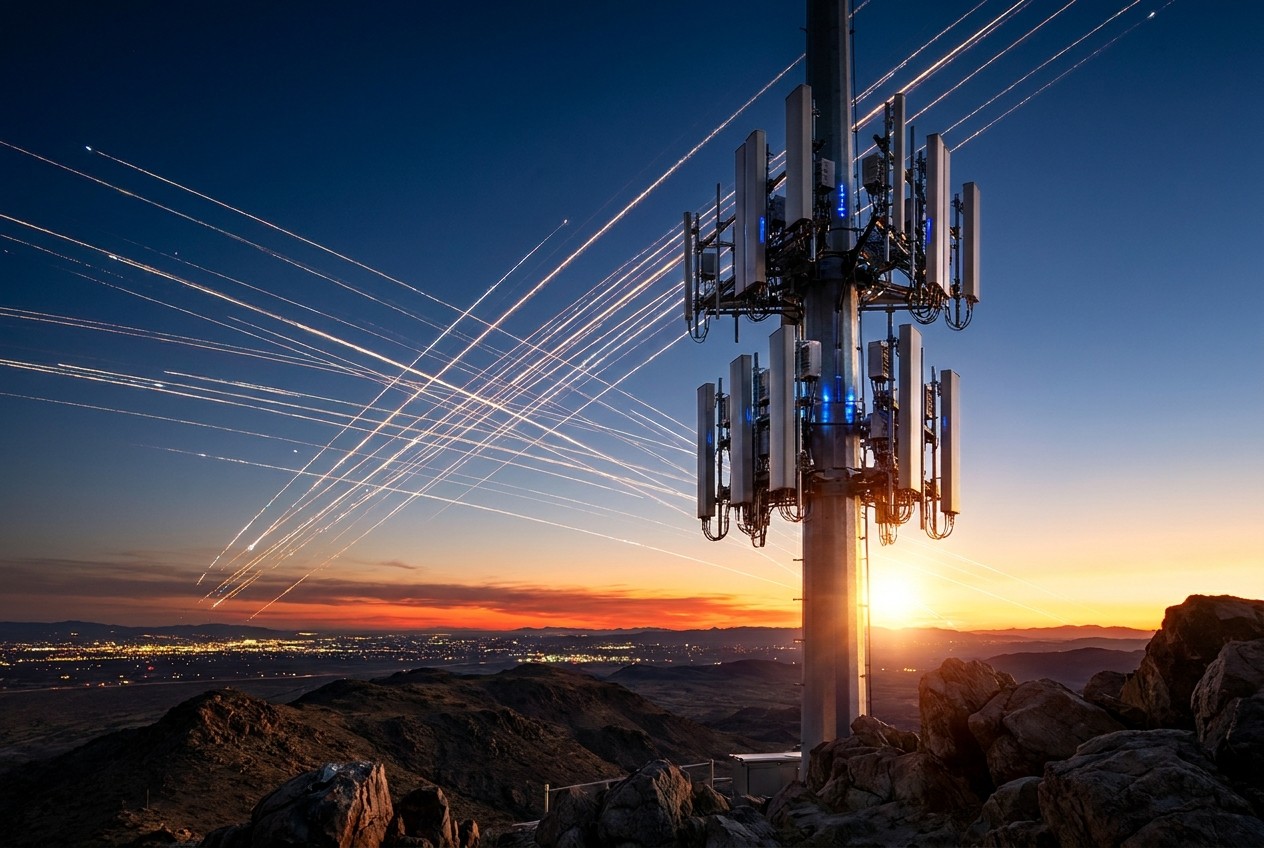
- Jersey Shore residents sue their own borough council and Verizon to stop 5G antennas hidden in historic boardwalk pavilions.
- Residents say they were shut out of the closed-door talks that traded tall towers for antennas hidden in pavilion cupolas.
- Conflicts of interest are alleged against the mayor and council president who negotiated the deal with Verizon.
- Children’s Health Defense is backing multiple Jersey Shore lawsuits resisting Verizon’s 5G push along the coast.
- Residents say their fight comes from love for their town and a desire to preserve it from dangerous technology.
In a classic David-versus-Goliath showdown along the Jersey Shore, residents of the quaint beach community of Spring Lake have taken the extraordinary step of suing their own borough council, mayor and telecom giant Verizon to stop two 5G antennas from being hidden inside cupolas atop historic boardwalk pavilions. The lawsuit, filed Nov. 13 in Monmouth County Superior Court with backing from Children's Health Defense (CHD), seeks to void a Sept. 29 settlement and an Oct. 27 ordinance that residents say cuts them out of decision-making — one of the deal's conditions.
The legal battle has been simmering since January 2024, when Verizon first applied to install six 40- to 45-foot towers along Spring Lake's boardwalk. After fierce community opposition, the company sued the borough in federal court in November 2024, alleging unreasonable delays. The settlement that followed traded the tall poles for hidden antennas inside two cupolas, but residents say the deal was reached behind closed doors and tainted by potential conflicts of interest.
Residents say they're suing because they love their town
Kelley Badishkanian, a resident and organizer for Spring Lake Against 5G Towers, acknowledged the emotional weight of the lawsuit. "We have some trepidation because, of course, we don't want to sue our own community, but it comes from a place of love: We love Spring Lake, and we want to preserve it," she told The Defender. "We really believe there is a way of stopping Verizon from putting these dangerous towers on our historic pavilions."
Badishkanian said she understands why local leaders felt pressured to settle: "They're facing this giant national company with large pockets." Still, she urged the borough to take a principled stand, adding, "We have a very strong case — and thank God for Children's Health Defense, who has been helping us along the way."
The plaintiffs argue the new ordinance effectively shuts residents out of future decision-making. It transfers authority over wireless facility approvals on borough-owned property from the planning board to the mayor and council, granting them what the complaint calls "sole and absolute discretion" — bypassing the standard zoning review process that gives residents a voice.
Allegations of conflicts of interest swirl around mayor and council president
The lawsuit zeroes in on potential conflicts of interest among the officials who negotiated the deal, including Mayor Jennifer Naughton. According to W. Scott McCollough, lead litigator for CHD's electromagnetic radiation cases, "The mayor's company allegedly did paid work for Verizon, and she led the negotiations without recusing herself."
The complaint also alleges that Council President Brendan Judge works for a law firm that represents Verizon on other matters. According to the complaint, Judge participated in the private talks that came up with the settlement and only stepped aside around two hours before the vote.
During the Oct. 27 council meeting, Judge abstained from voting on the ordinance due to his professional connection to Verizon.
A growing wave of Jersey Shore residents pushes back against 5G towers
Verizon is embroiled in several lawsuits up and down the coast as residents resist its 5G push along scenic beachfronts. In May 2021, the company sued Belmar, about three miles north, and later sued Monmouth County after learning the county, not the town, controlled the land.
In August, Lavallette residents filed a state lawsuit alleging Verizon failed to complete required environmental reviews under the Coastal Area Facility Review Act. CHD is providing legal support in all these cases.
Miriam Eckenfels, director of CHD's Electromagnetic Radiation and Wireless Program, said the settlement "only benefits telecom and stands in direct contrast with what the residents have been fighting for." She argued that it was premature to reach a settlement while the other lawsuits remained unresolved.
For now, the fate of Spring Lake's historic boardwalk pavilions — and perhaps the precedent for future 5G installations along the Jersey Shore — rests with the courts. Even if the residents win, Verizon's federal case against the borough will still need to be litigated. As Badishkanian put it, the residents' fight is rooted not in anger at their neighbors, but in love for the place they call home.
Sources for this article include:









Please contact us for more information.