


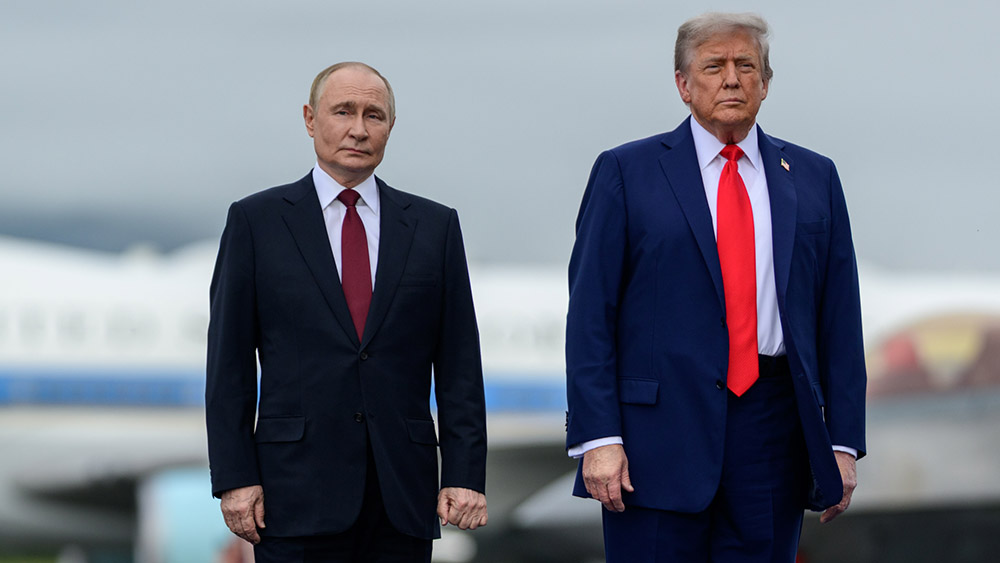
- Trump, Putin and Xi held a historic trilateral summit in Shenzhen, China, and issued a joint peace declaration.
- The leaders pledged that nuclear war cannot be won and must never be fought.
- Trump and Putin met bilaterally ahead of the summit, their first formal talks since August 2025.
- The joint declaration included commitments to UN reform, more energy production and limits on the International Criminal Court.
- Putin embraced comparisons to Yalta, saying the realities on the ground in Ukraine must be accepted.
In an extraordinary diplomatic moment that would have seemed far-fetched not long ago, President Donald Trump sat down with Russian President Vladimir Putin and Chinese President Xi Jinping on Thursday for a 90-minute trilateral meeting that produced a joint declaration on peace — including a pledge that "nuclear war cannot be won and must never be fought."
The three leaders gathered on the sidelines of the Asia-Pacific Economic Cooperation summit in the Chinese technology hub of Shenzhen, marking the first-ever meeting of its kind between the world's three most powerful nations. Trump arrived after holding separate one-on-one talks with both Putin and Xi, setting the stage for a session that, at least according to Putin, went better than anyone expected.
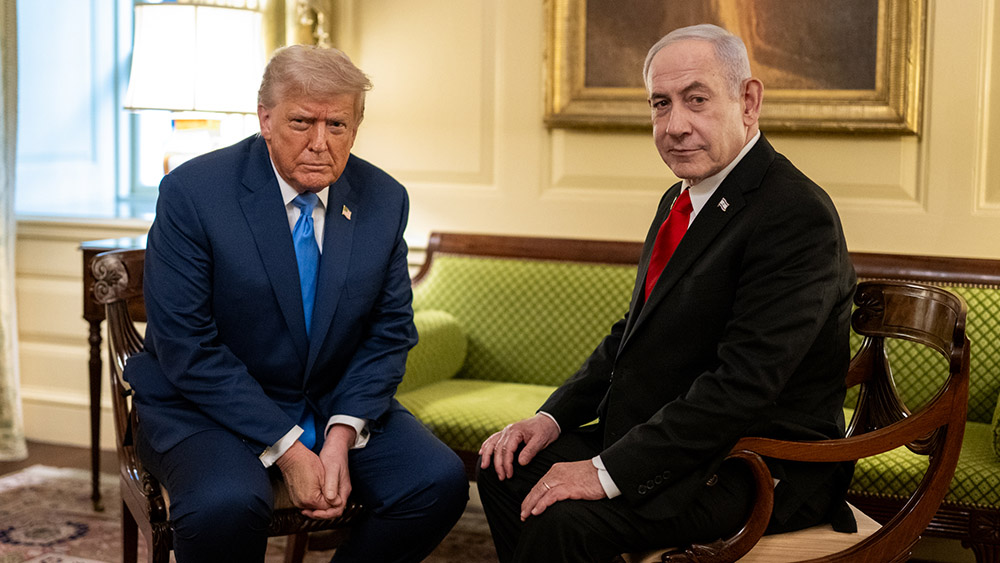
Before the larger summit, Trump and Putin, flanked by their top aides, met for roughly 40 minutes, according to the Kremlin, for their first formal talks since an Alaska summit in August 2025. Trump greeted the Russian leader warmly, calling him a friend and expressing hope that "a lot of wonderful things can come out of this."
Putin left the bilateral meeting in "an excellent mood," Kremlin aide Yuri Ushakov told the Russian state news agency Ria Novosti. Ushakov confirmed that both the Ukraine conflict and preparations for the trilateral summit with Xi were central topics of discussion.
American officials attending included Secretary of State Marco Rubio, Treasury Secretary Scott Bessent and White House Chief of Staff Stephen Miller, while Russia brought Foreign Minister Sergey Lavrov and Finance Minister Anton Siluanov, among others.
Historic three-way meeting produces joint declaration on peace
Xi hailed the meeting as a groundbreaking first in history, while Trump said the three leaders share a special responsibility to maintain productive dialogue, noting that "no peace was ever forged by declining opportunities for engagement."
Following the talks, the three nations issued a joint declaration on peace that included several key commitments. Beyond the nuclear weapons statement, the leaders pledged to pursue UN reform, agreed to increase production and supply of refined petroleum products and declared that the International Criminal Court "and other similar institutions must not abuse their jurisdiction."
Putin later described the meeting as an "important chapter in the history of diplomacy" and said the trio of leaders found common ground regarding several crucial issues, even in cases where they stopped short of reaching any formal agreements. Xi reportedly called the discussions positive, constructive and highly productive.
Putin embraces Yalta comparison and talks tough on Ukraine
When pressed by reporters about comparisons to the 1945 Yalta Conference, where Allied leaders divided postwar Europe, Putin asked: "What was wrong with Yalta? What was so bad about it?"
He argued that Yalta codified victory over Nazism and created conditions for the United Nations, adding that the world has since lived "without major global upheavals." Putin suggested a similar dynamic applies today, saying "the realities on the ground will have to be accepted" — an apparent reference to Russia's territorial gains in Ukraine.
On Ukraine specifically, Putin claimed Kyiv and Europe remain unwilling to compromise. He said he believes Trump genuinely wants to end the conflict, but insisted it is up to Ukrainian leadership to make concessions. He also ruled out the possibility of ceasefire talks after repeated Ukrainian strikes on the Crimea bridge, a site he called "purely a civilian facility."
Trump boarded Air Force One shortly after the talks, but the symbolism of three global powers sitting together — Putin seated in what Russian state media called the "seat of highest honor" to Xi's right — signals a shifting world order that European allies are watching with growing unease.
Sources for this article include:




Please contact us for more information.