


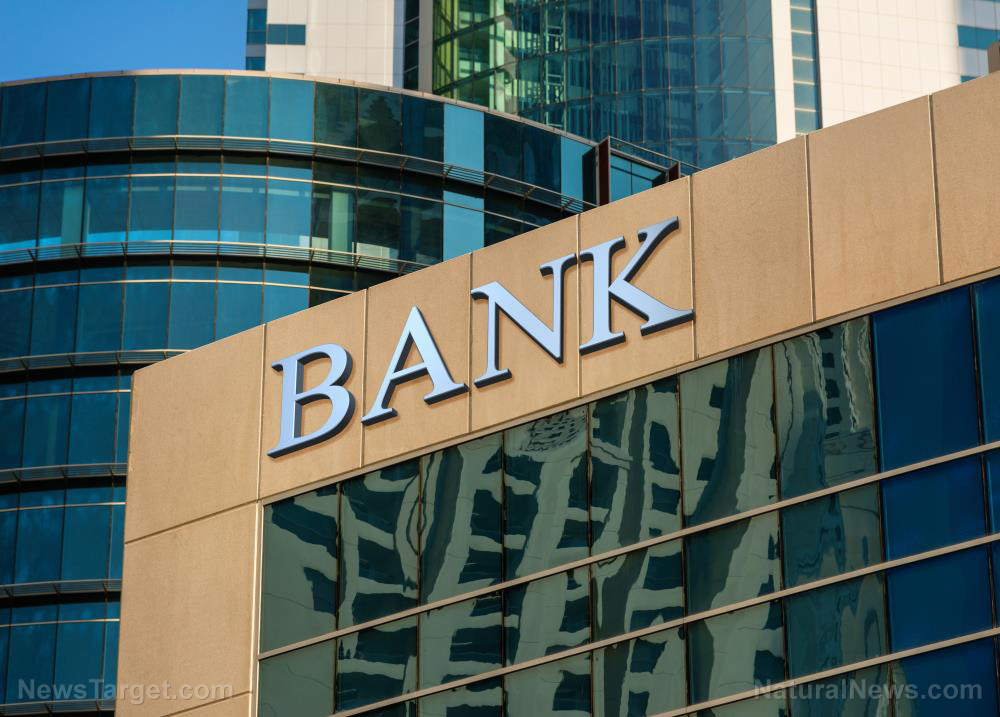
- Paraguay's central bank took control of Ueno Bank on Nov. 2 after its solvency ratio reportedly fell below half the legal minimum, triggering a shutdown of banking services.
- The bank reportedly served 60% of Paraguay's adult population, managed $850 million in public funds and processed pensions for 32,000 retirees. An estimated three million people temporarily lost access to their deposits.
- Paraguay's Deposit Guarantee Fund reportedly covered up to $38,000 per depositor, potentially protecting 97% of depositors, but customers still faced uncertainty and could not immediately use their money.
- The episode argued that bank customers are creditors rather than direct owners of deposited funds, raising concerns about delays, restrictions and access during a bank failure. It also discussed reports of arrests involving eight people, including the bank’s president and founder/CEO.
- The discussion warned that stablecoins and central bank digital currencies could allow issuers or administrators to restrict transactions or freeze wallets. It challenged viewers to consider who truly controls their money and what financial security means when access depends on digital systems and institutions.
What if you woke up one morning, checked your bank account and saw your money sitting right where you had left it – but discovered you could not withdraw a single dollar, use your debit card, transfer funds or access your savings? That frightening scenario became more than a hypothetical talking point in Episode 4 of "The Health Ranger's Guide to Surviving Global War, Famine, Plandemics and Grid-Down Scenarios," which aired Nov. 17, as the discussion turned to the reported collapse of Paraguay’s Ueno Bank and the vulnerability of a financial system increasingly dependent on digital access.
The episode examined what happened after Ueno Bank, described in the interview as Paraguay's largest digital lender, reportedly failed on Nov. 2. According to the account presented, the bank's solvency ratio had fallen below half the legal minimum, prompting Paraguay's central bank to take control. The consequences were immediate and far-reaching: ATMs, debit and credit cards, transfers and other banking functions were shut down, leaving customers unable to reach their deposits.
The scale was staggering. Ueno reportedly served approximately 60% of Paraguay’s adult population, managed $850 million in public funds and handled pension payments for 32,000 retirees. The interview cited an estimated three million people who temporarily lost access to their money. Although Paraguay's Deposit Guarantee Fund reportedly covered up to $38,000 per depositor, with protection expected to cover 97% of depositors, that did not solve the immediate problem: people still could not access the funds they depended on.
Mike Adams also discussed reports of arrests involving eight people, including the bank's president and its founder and CEO, amid suspicions of breach of trust and related offenses. The interviewee offered his own theory about possible insider misconduct, while emphasizing a broader concern: even when deposits had not been permanently lost, customers had been left without access to them.
The difference between a balance and ownership
That distinction became the episode's central financial question. A number displayed on a banking app might look like personal wealth, but what did it actually represent if the account holder could not control or retrieve it?
The episode challenged viewers to reconsider the relationship between depositors and banks. It argued that money deposited in a bank effectively became the bank's capital, leaving the customer as a creditor rather than the direct owner of the funds. In a failure, depositors could face delays, restrictions and uncertainty while waiting for access or repayment.
The discussion then widened to digital currencies, stablecoins and central bank digital currencies. Adams warned that programmable money could introduce another layer of control, allowing issuers or administrators to restrict transactions or freeze wallets. As he put it, "A programmable currency is a permission system." The concern was not simply whether money existed digitally, but who ultimately controlled the ability to use it.
When financial security became a question of control
The episode connected the Paraguay case to broader concerns about inflation, government debt, bank bail-ins and the growing centralization of financial infrastructure. It also explored the possibility that a wider banking crisis could expose weaknesses that deposit guarantees and emergency interventions might not fully address.
Ultimately, the interview left viewers with a provocative question: "do you really own your money?" In an economy where savings could be represented by numbers on a screen and access depended on institutions, networks and permissions, the answer appeared far less straightforward than many people had assumed.
The episode challenged audiences to look beyond account balances and ask what genuine financial security meant when access could disappear overnight.
Want to know more?
Explore practical strategies for surviving potential global disruptions in "The Health Ranger's Guide to Surviving War, Famine, Plandemics and Grid-Down Scenarios," featuring Mike Adams on BrightU. Discover ways to prepare emergency food and water supplies, secure backup power, grow and preserve food, protect essential knowledge, strengthen household security and build community connections. Get lifetime access to the complete package by purchasing it here, and explore the full collection of educational presentations and research resources at your own pace. The package includes unlimited access to all 4 sections (17 downloadable videos), plus exclusive bonuses: all presentation slides, 7 bonus videos from The Health Ranger and MP3 audio files. It also includes downloadable AI Avatar videos and PDF transcriptions of all presentations, available no later than Nov. 30.
Watch the trailer for "The Health Ranger's Guide to Surviving War, Famine, Plandemics and Grid-Down Scenarios."
This video is from the BrightU channel on Brighteon.com.
Sources include:









Please contact us for more information.