


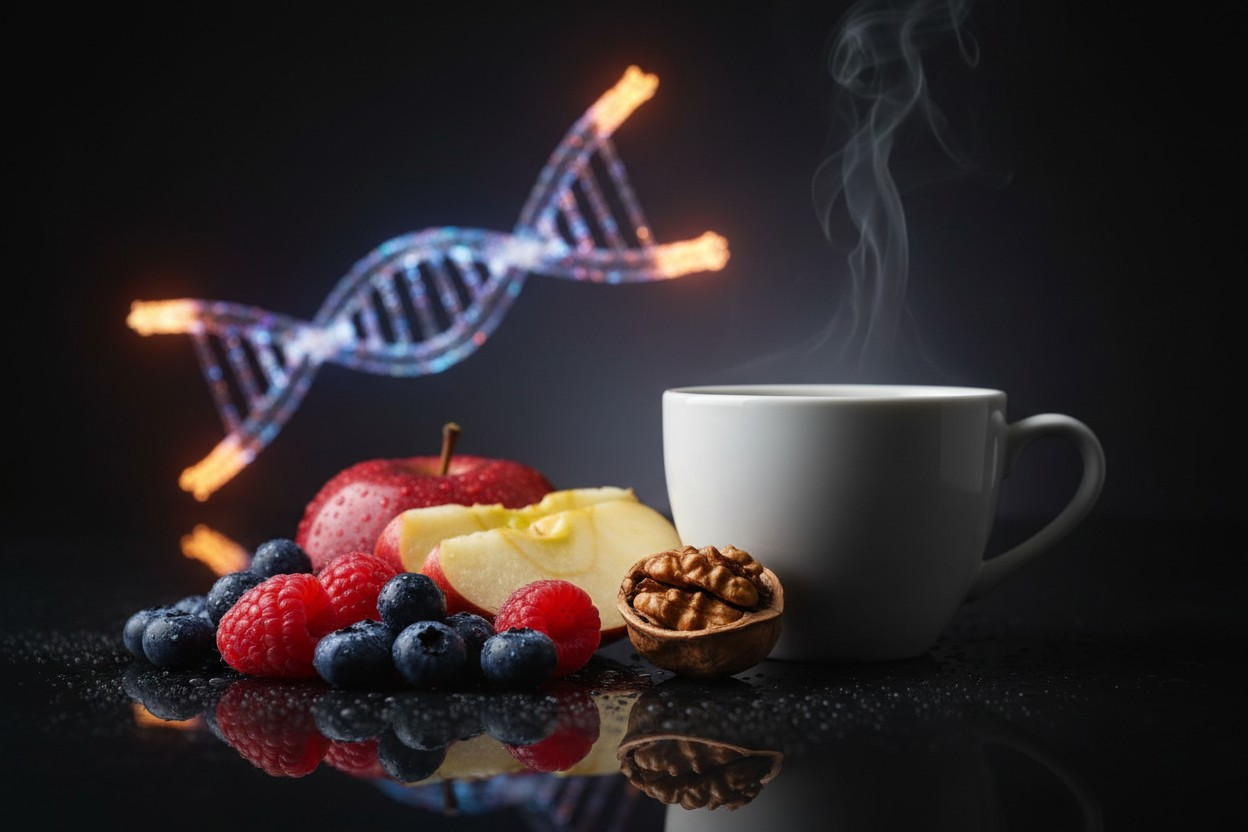
A study presented at the European Congress on Obesity in Istanbul has found that individuals with the highest dietary intake of polyphenols had a 52% lower risk of having short telomeres compared with those who consumed the least. Researchers from the University of Navarra in Pamplona, Spain, measured telomere length in samples from more than 1,700 adults in 2008 and again in 2015, according to the study.
Telomeres are protective caps at the ends of chromosomes that safeguard DNA information inside cells. Shorter telomeres have been linked to an increased risk of age-related diseases including cardiovascular disease, Type 2 diabetes, some cancers and overall mortality, the study noted. The findings add to growing evidence that diet plays a role in cellular aging.
Key Findings on Polyphenol-Rich Foods
Moderate coffee consumption of up to one cup per day was associated with a 26% lower risk of short telomeres compared with non-consumers, according to the researchers. Participants who ate four to five servings of fruit daily had a 29% lower risk of short telomeres compared with those who ate the least fruit. Overall, participants with the highest total polyphenol intake had a 52% lower risk of short telomeres.
Other polyphenol-rich foods such as olive oil, red wine and vegetables did not show a statistically significant effect on telomere length in this study. The findings are consistent with prior research indicating that certain polyphenol sources may have distinct biological effects. For example, a separate study found that higher blood levels of theobromine, a compound in cocoa, were associated with longer telomeres, specifically linked to theobromine rather than other cocoa or coffee metabolites [1].
Previous work has also shown that walnuts, which contain polyphenols, can help preserve telomere length [2]. The current study assessed overall polyphenol consumption through dietary questionnaires rather than measuring specific compounds in blood.
Expert Reactions and Interpretations
Isabella Kury Guzmán, lead author of the study, said: "Our findings point to a broader message: a diet rich in polyphenols, including foods like fruits and coffee, may be one piece of the puzzle in supporting healthier cellular ageing. This is not about one 'anti-ageing' food, but about the cumulative effect of everyday dietary choices over time."
Ana Rodriguez-Mateos, professor of human nutrition at King's College London, said: "Polyphenols have been linked to a lower risk of age-related diseases, including heart disease and cognitive decline. This study adds to growing evidence that diets rich in polyphenols may support healthier ageing." Gunter Kuhnle, professor of nutrition at the University of Reading, cautioned that measuring polyphenol intake accurately is very difficult. He noted that it is challenging to distinguish whether the benefits come specifically from polyphenols or from an overall healthy diet rich in fruits and vegetables.
The findings align with research on plant compounds and cellular health. Polyphenols such as those found in green tea, including EGCG, have been shown in laboratory studies to affect telomerase activity [3][4]. Additionally, flavonoids have been associated with protecting telomere length in cell models [5].
Limitations and Context
The study relied on self-reported dietary data and observational methods, which cannot establish causation, according to the researchers. Measuring polyphenol intake accurately remains difficult because polyphenols are present in many plant foods and their bioavailability varies. Kuhnle noted that because plant-based foods are the main source of polyphenols, isolating their specific effect from other beneficial components of a healthy diet is challenging.
Shorter telomeres have been linked to higher risks of cardiovascular disease, Type 2 diabetes, some cancers and overall mortality, the study stated. Chronic inflammation is known to shorten telomeres, and polyphenols possess anti-inflammatory properties that may help counteract this process [6]. The study was presented at a conference and has not yet been published in a peer-reviewed journal.
Conclusion
The findings suggest that a diet high in polyphenols from sources such as fruit and coffee may support healthier cellular aging, but experts called for further research using more precise measurement tools. The study was presented at the European Congress on Obesity in Istanbul and has not yet been published in a peer-reviewed journal.
Natural health advocates have long promoted polyphenol-rich foods as part of a strategy to combat oxidative stress and inflammation. The study adds to a body of evidence indicating that everyday dietary choices, rather than a single "anti-aging" food, may influence the rate of cellular aging.
References
- NaturalNews.com. "Dark chocolate compound linked to slower aging in groundbreaking DNA study". January 07, 2026.
- GreenMedInfo.com. "Eating Walnuts Preserves Youthful Telomere Strands".
- John Wiley. "Epigenetic and Genetic Mechanisms Contribute to Telomerase Inhibition by EGCG". Journal of Cellular Biochemistry. 2008.
- dvips 5.83 Copyright 1998 Radical Eye Software. "Bioavailability and stability issues in understanding the cancer preventive effects of tea polyphenols". Journal of the Science of Food and Agriculture. 2006.
- Sayer Ji GreenMedInfo Research Group. "THE SCIENCE OF LONGEVITY How to Live a Long Healthy Life".
- ANH International. "Feature Inflammaging When Older Age the Modern World and Our Immune Systems Conspire". February 22, 2024.











Please contact us for more information.