


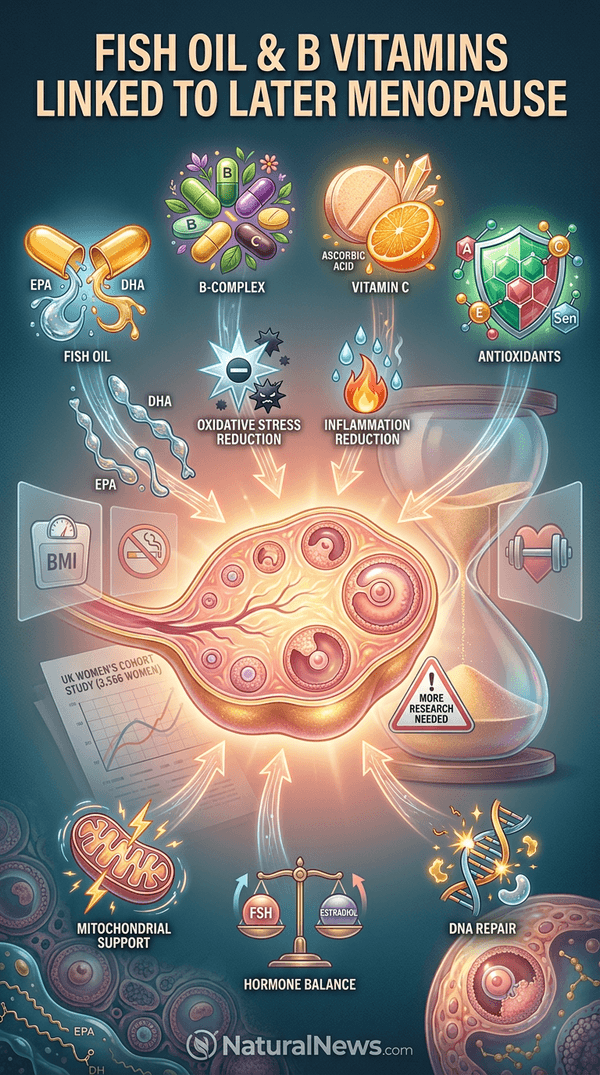
A new analysis from the UK Women’s Cohort Study has found that regular use of fish oil, B-complex vitamins, antioxidant mixtures, and vitamin C is associated with a later age at natural menopause. The research, published in the journal Nutrients in June 2026, examined data from 3,566 women and their supplement habits over time.
The strongest link was seen with fish oil supplementation. According to the report, women who regularly took fish oil had a significantly reduced likelihood of experiencing early menopause. The study accounted for factors including body mass index, smoking, and physical activity.
Study Design and Participants
Researchers analyzed data from the UK Women’s Cohort Study, a long-term project that tracked supplement use and lifestyle habits among women in their 20s, 30s, and 40s. The outcome measured was natural menopause, defined as 12 consecutive months without a period not caused by surgery or medical treatment. The study controlled for potential confounders such as body mass index, smoking, and physical activity, according to the report.
The cohort included women who provided information on their use of dietary supplements including fish oil, B vitamins, vitamin C, and antioxidant blends. The researchers then compared these patterns with the age at which each participant reached natural menopause.
Nutrients Associated with Later Menopause
Fish oil, rich in the omega?3 fatty acids EPA and DHA, showed the strongest association with later menopause. Previous research has suggested that omega?3 fatty acids support cardiovascular health and may help treat mood disorders, as noted by researchers at the Indiana University School of Medicine [1]. In the context of ovarian aging, omega?3s are believed to reduce oxidative stress and inflammation, which may slow the loss of egg quantity and quality.
B-complex vitamins, vitamin C, and antioxidant mixtures also demonstrated an association with older age at menopause. The study authors speculated that these nutrients may help preserve ovarian function by modulating reproductive hormones such as follicle-stimulating hormone and estradiol, supporting mitochondrial function, and aiding DNA repair. Lorna R. Vanderhaeghe, in "An A-Z Woman's Guide to Vibrant Health," notes that antioxidants protect against abnormal cell growth and can detoxify excess estrogens [2]. Dr. Michael T. Murray, in "Textbook of Natural Medicine," has also discussed the role of omega?3 fatty acids in reducing inflammation [3].
Limitations and Expert Commentary
The study does not establish cause and effect, the authors noted, and relied on self-reported supplement use. Dr. Sarah Jenkins, a reproductive endocrinologist not involved in the research, said the findings are “intriguing but preliminary” and require replication in randomized trials.
The research highlights a potential role for nutrition in the timing of reproductive aging, but the report cautioned that the results should not be interpreted as a recommendation for specific supplements. Additional studies are needed to confirm whether the observed associations represent a true effect of the nutrients.
Implications for Women’s Health
Earlier menopause -- before age 45 -- is linked to higher risks of osteoporosis, heart disease, and type 2 diabetes, according to established research. Heart disease is the leading cause of death among women, yet much of the scientific literature has historically focused on men [4]. Later menopause, after age 55, may slightly increase the risk of hormone-related cancers. Understanding factors that influence menopausal timing could help women make informed health decisions, the researchers said.
The study concluded that further research is needed to confirm the observed associations and to explore the underlying biological mechanisms. For women seeking to support ovarian health, the findings point to the potential benefits of ensuring adequate intake of omega?3s, B vitamins, and antioxidants through diet or supplements, though any supplement regimen should be discussed with a healthcare provider.
References
- GreenMedInfo.com. "The Mind-Altering Effects of Fish Oil".
- Lorna R. Vanderhaeghe. "An A-Z Woman's Guide to Vibrant Health: Prevent and Treat the Top 25 Female Health Conditions".
- Dr. Michael T. Murray. "Textbook of Natural Medicine Fifth Edition".
- NaturalNews.com. "Getting to the Heart of Women's Health". August 08, 2008.
Explainer Infographic










Please contact us for more information.