


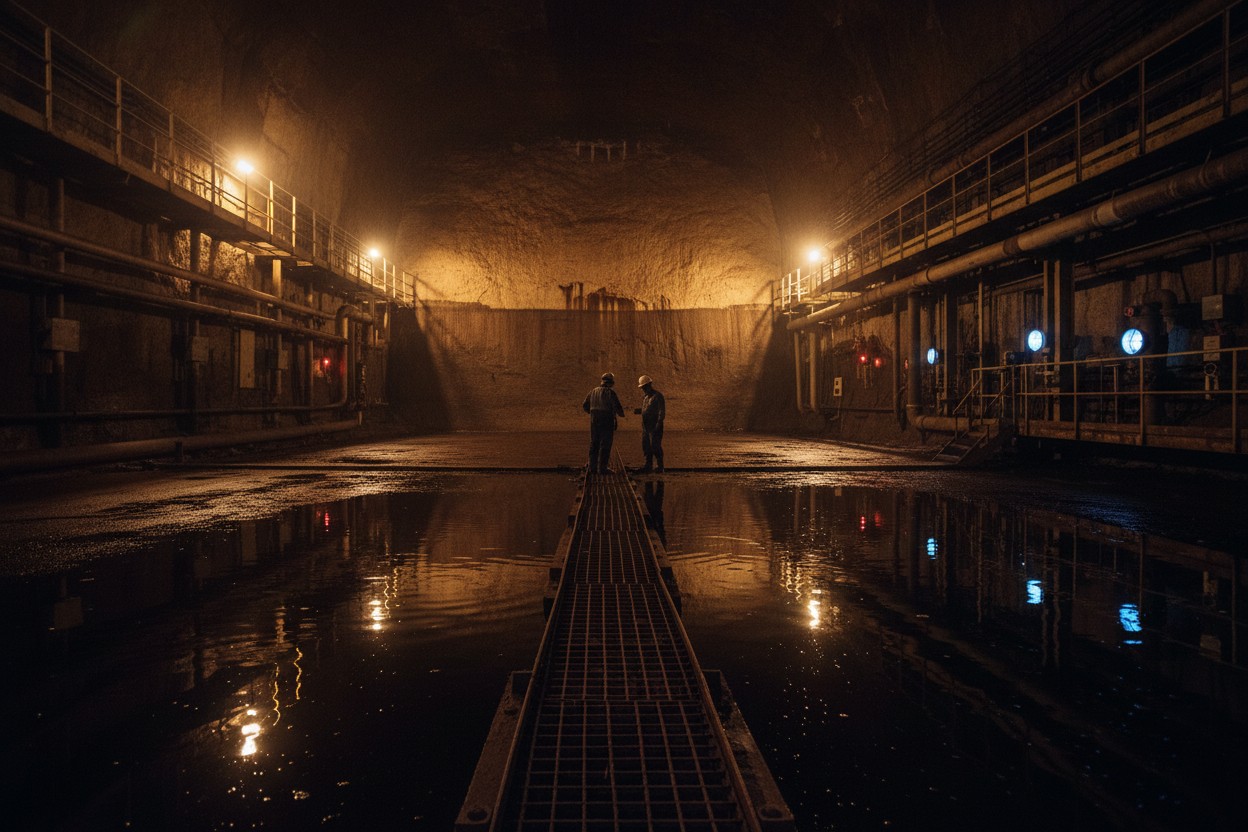
The U.S. Strategic Petroleum Reserve (SPR) held 365.1 million barrels of crude oil as of the week ending May 22, according to the latest report from the Energy Information Administration (EIA). That figure represents a decline of more than 50 million barrels since the conflict with Iran began on Feb. 28, officials said.
The reserve now stands at its lowest level since April 2024.
GasBuddy analyst Patrick De Haan predicted that at the current pace of drawdown, the SPR could reach levels last seen in August 1983 within days. That predates the reserve's completion and occurred during its initial fill-up phase, according to historical data.
The rapid depletion comes despite President Donald Trump’s previous criticism of his predecessor for similar actions. [6]
What Is the Strategic Petroleum Reserve and How Has It Been Used?
The SPR was authorized by President Gerald Ford in 1975 in response to the economic disruption caused by the 1973 oil crisis, according to the Department of Energy (DoE). The reserve consists of underground caverns along the Gulf Coast of Texas and Louisiana and is described by the department as an "emergency response tool" for supply disruptions that threaten the U.S. economy. [5]
Previous releases from the SPR include operations during the 1991 Gulf War, after Hurricane Katrina in 2005, during the 2011 Libyan civil war, and in 2022 following Russia’s invasion of Ukraine. [11]
The 2022 drawdown under former President Joe Biden released approximately 180 million barrels and remains the largest single release in the reserve’s history, according to the EIA. That action drew criticism from Republican lawmakers, including Trump, who called it a "futile attempt to reduce oil and gasoline prices." [4]
Current Drawdown Tied to War with Iran and Global Price Stabilization
In March 2026, the Trump administration announced a release of 172 million barrels from the SPR over 120 days as part of a coordinated effort with International Energy Agency (IEA) member nations, according to an announcement cited by NaturalNews.com. [1]
The IEA separately pledged to release 400 million barrels from emergency reserves after the Strait of Hormuz closure blocked an estimated 20% of global oil and gas supplies. [3]
Andy Lipow, president of Lipow Oil Associates, told CNBC that the coordinated global release helped prevent crude oil from reaching $150 per barrel. The release is structured as an exchange, meaning that more than the original volume drawn down must be returned to the SPR at a later date, according to the DoE. [11]
Bob McNally, president of Rapidan Energy Group and a former White House energy adviser, said that refilling the reserve will "take many years and require congressional appropriations." [10]
Trump's Past Criticism vs. Current Actions
During his 2024 presidential campaign, Trump said the strategic national reserves "have been virtually drained in order to keep gasoline prices lower, just prior to the election," and pledged during his 2025 inauguration to bring the SPR "right to the top." The administration previously described itself as successfully "refilling and repairing" the SPR after accusing Biden of having "recklessly drained and damaged it for political purposes." [6]
Oil market analyst Thomas Kloza said that the current drawdown may elicit "lots of criticism" and become a "political liability" for Trump. However, Kloza added that the releases have "been a key factor in keeping crude oil price appreciation suppressed." [11]
The administration has also issued a 60-day Jones Act waiver to ease oil shipments, according to a March 2026 announcement. [2]
Concerns Over Reserve Levels and Future Impact
Analysts have warned that the SPR is approaching its minimum operating level of 240 million barrels, according to Lipow.
Kloza similarly said that as the reserve falls below 300 million barrels, problems could arise with the integrity of the stored oil. The rapid depletion comes as commercial crude inventories also fall to multi-decade lows, with combined stocks dropping to their lowest level in more than 20 years. [8]
McNally cautioned that the required refill of the SPR could put upward pressure on prices if done too quickly. The DoE did not respond to a request for comment.
Global oil reserves have plunged at a record pace amid the Iran war, according to S&P Global Energy estimates. [7]
Outlook and Attribution
The coordinated release of emergency reserves by the United States and other IEA nations has contributed to suppressing crude oil prices, according to multiple analysts cited in this report.
However, the closure of the Strait of Hormuz continues to threaten supply stability, and inventories remain historically low. [9]
This report is based on data from the EIA, statements from the DoE, and interviews with analysts. Additional context was drawn from published reports and historical records.
References
- NaturalNews.com. "Trump Orders Historic 172M Barrel SPR Release Amid Middle East Crisis."
- NaturalNews.com. "Trump Administration Issues 60 Day Jones Act Waiver Following Oil Price Spike." March 20, 2026.
- NaturalNews.com. "IEA releases 400 million barrels from reserves after Strait of Hormuz closure sparks historic oil crisis." March 12, 2026.
- NaturalNews.com. "Expert: Biden's drawdowns from Strategic Petroleum Reserve failed to control soaring oil prices." October 26, 2022.
- Robert Bryce. "Gusher of Lies: The Dangerous Delusions of Energy Independence."
- JustTheNews.com. "Stockpiles of oil and gas hitting historic lows, threatening to push gasoline prices higher: experts." June 4, 2026.
- NTD.com. "Global Oil Reserves Plunge at Record Pace Amid Iran War." May 6, 2026.
- JustTheNews.com. "Record Gulf Coast exports push U.S. oil inventories lower." June 6, 2026.
- Michael Snyder via The Economic Collapse blog. "Shortages And Rationing Loom As Global Oil Reserves Fall At Fastest Rate In History." ZeroHedge. May 31, 2026.
- Mike Adams - Brighteon.com. "Brighteon Broadcast News"
- Newsweek.com. "US Emergency Oil Reserve Approaching All-Time Low Despite Trump Promise." June 2, 2026.








Please contact us for more information.