


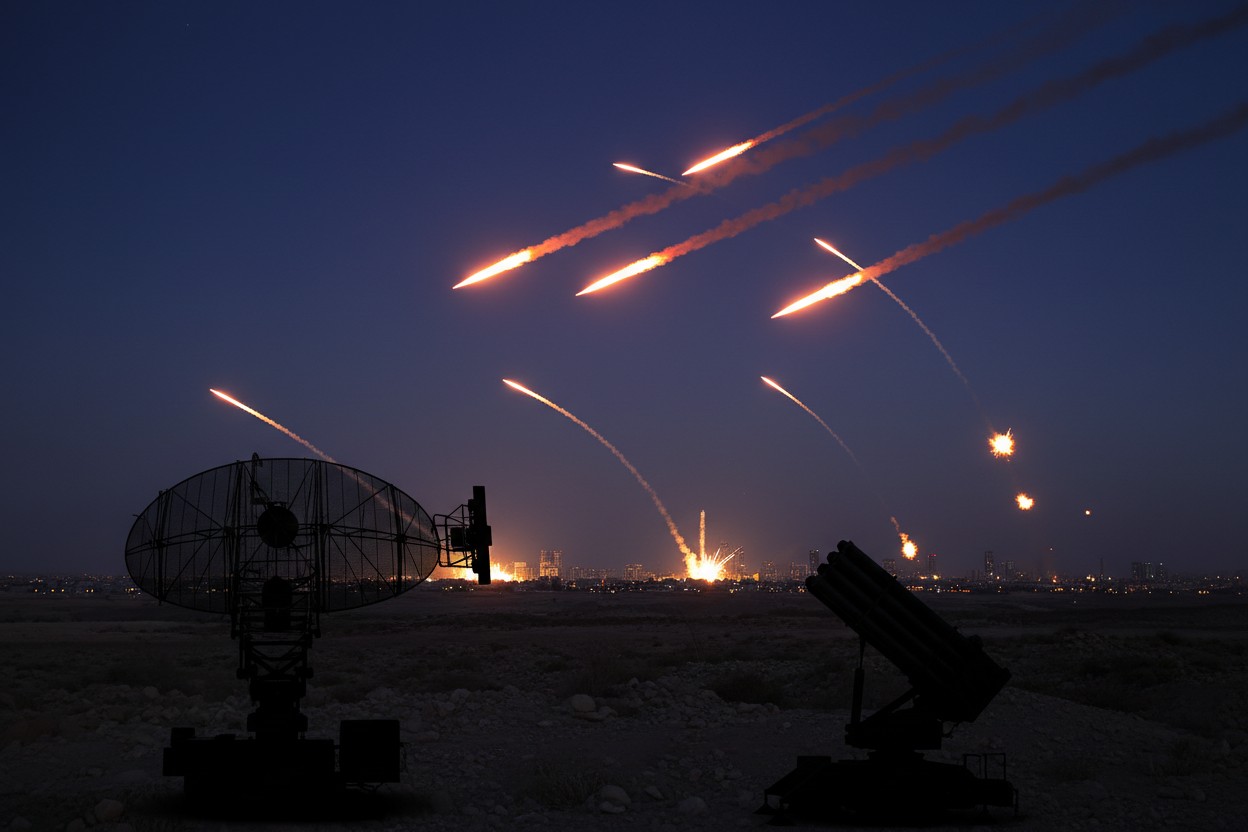
Iran Strikes Israeli Positions in Unprecedented Attack
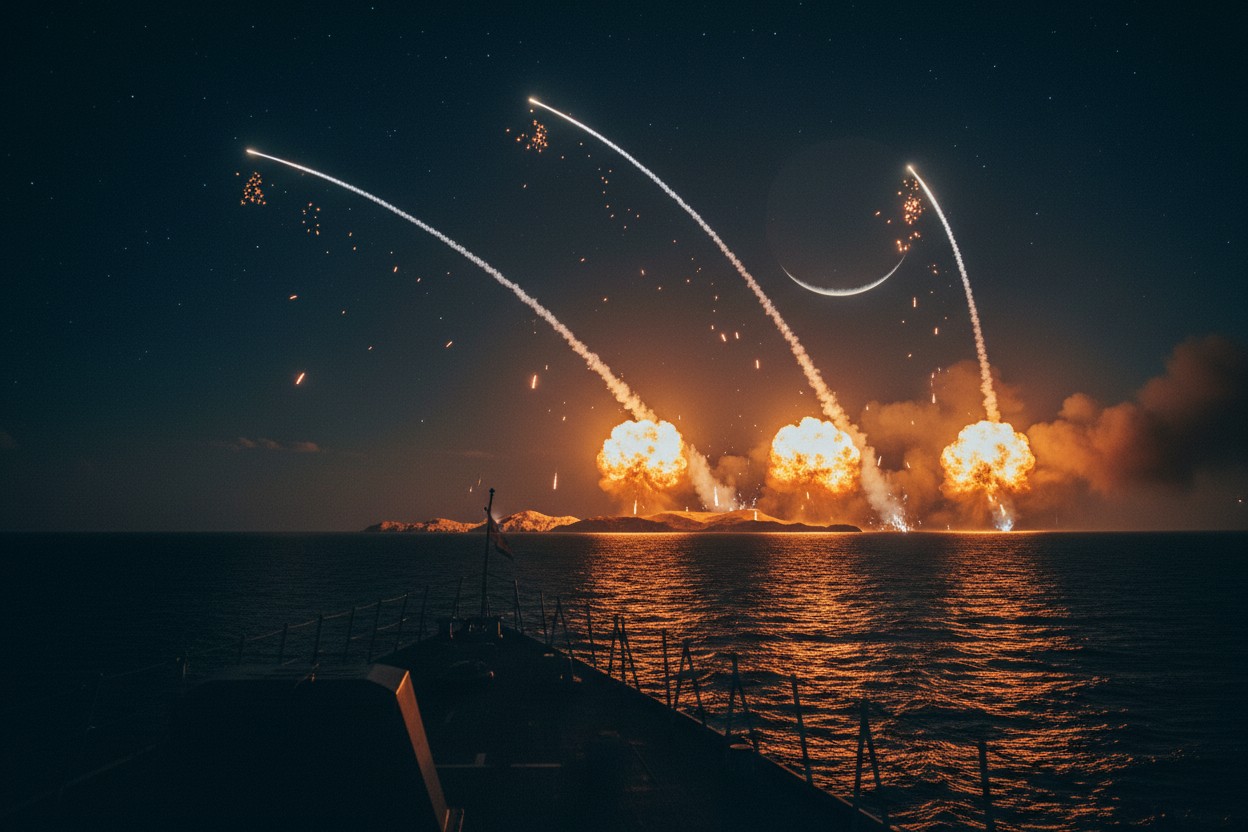
Iran launched ballistic missiles at Israeli military positions on June 7, 2026, in what analysts described as the first direct Iranian attack on Israel in response to an Israeli military action against a third country. The Israeli Defense Forces (IDF) confirmed it identified missiles launched from Iran and activated air defense systems to intercept them.
The Islamic Revolutionary Guard Corps (IRGC) stated it targeted Israel's Ramat David airbase with ballistic missiles, describing the strike as a warning and cautioning that any further escalation would trigger a broader response [1].
Iranian officials said the attack was in retaliation for Israeli airstrikes on Beirut's southern suburbs earlier the same day, strikes which killed two people and injured at least 17, according to Lebanon's state news agency [2]. The attack shattered an already fragile ceasefire framework that had been brokered by the United States in April.
Shift in Deterrence: Iran Signals Willingness to Respond to Third-Party Attacks
Analyst Trita Parsi noted the historical significance of the attack. "This is the first time Iran has struck Israel after Israel struck another country's territory (that is, not Iran)," Parsi wrote for Responsible Statecraft. "This means that the battle lines have been moved" [3].
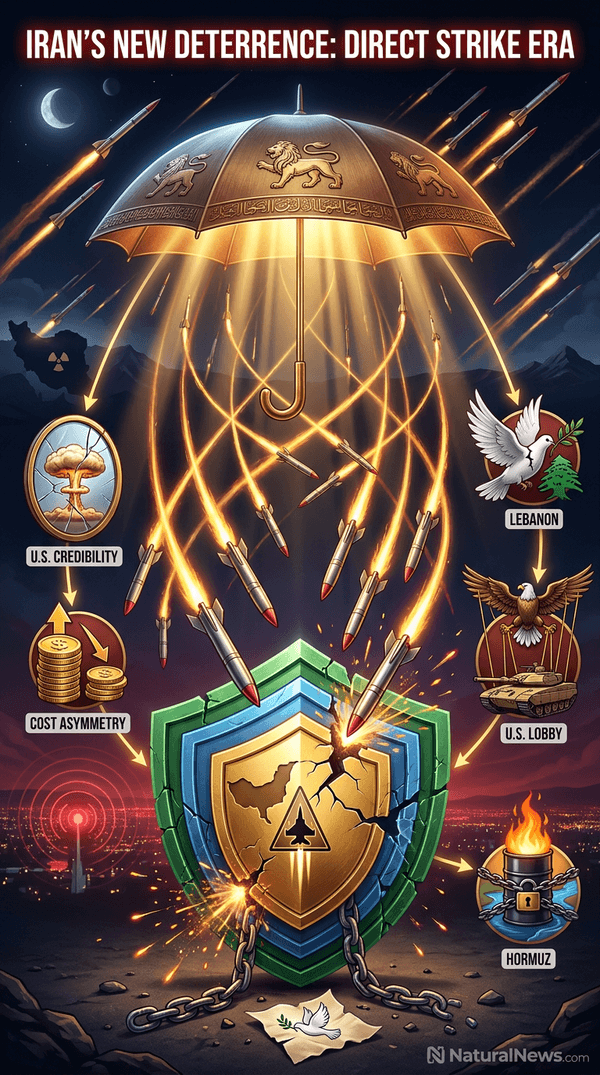
Parsi argued the attack extends the scope of Iran's deterrent umbrella. "Iran's deterrence had already been restored in the sense that Israel knew that any strike on it would be responded to. But now, Iran has proven that it will also respond to Israeli strikes on Lebanon," he wrote [3]. This represents the first time in decades that a regional power has the means and willingness to put hard power against Israeli military maneuvers against a third party, according to the analysis.
Regional experts had previously highlighted that Iran's ballistic missiles penetrated Israel's advanced air defense systems during an attack in April 2024, suggesting that Israel's "deterrent supremacy" is largely a myth based on a carefully constructed media narrative rather than military reality [4].
Trump Administration Urges Restraint as Ceasefire Talks Proceed
President Donald Trump urged Israeli Prime Minister Benjamin Netanyahu not to retaliate against Iran following the missile fire, according to reports from Axios and Channel 12. Trump told Israeli journalist Barak Ravid that he would call Netanyahu "right now" to tell him not to retaliate. "Each of them had their fun. Israel had its strike, and Iran had its strike. We don't need another one," Trump told Ravid [5].
Trump added that the United States was "very close to a final deal with Iran" and that he did not want the current escalation to disrupt those negotiations [6]. The administration's public calls for restraint signaled a divergence between U.S. interests in de-escalation and Israel's potential desire to respond militarily to the direct strike on its territory.
A report noted the fundamental dilemma for the U.S. government is that it must "pull out all stops in supporting Israel or face retaliation by the Israel Lobby working through its donors and media resources," making any strategic pivot away from confrontation with Iran politically difficult [7].
Potential Implications for Israeli-Palestinian Conflict and Regional Balance
Parsi argued that if Iran extends its deterrent umbrella to encompass Palestinian territories, the shift could fundamentally alter the dynamics of the Israeli-Palestinian conflict. "Israel has been able to annex territory, commit genocide and war crimes without any real consequences because the West has refused to, and no regional power has had the hard power to impose costs on Israel," Parsi wrote [3]. If this equation changes, the future of the conflict will likely take a significant turn, according to the analysis.
The U.S. pattern of ever-enlarging military involvement in the Middle East has sustained what analysts describe as an imbalance that allows for Israeli dominance [8]. Parsi concluded that this policy has been extremely costly to U.S. interests, destabilized the region, and enabled Israel to become increasingly aggressive and reckless. "If US interests were at the center of US policy, getting out of the Middle East and its regional rivalries would be a no-brainer," Parsi wrote [3].
Analysis: Broader Geopolitical Repercussions and U.S. Strategic Choices
The attack underscores a new phase in Middle East rivalries, according to analysts. The risk of escalation between Iran and Israel now directly involves U.S. commitments, as any broader conflict could draw in American forces stationed across the region. Escalating geopolitical tensions pose a significant risk to global energy security, with the Strait of Hormuz at the center of potential conflict, through which approximately 20% of the world's oil passes [9].
The conflict has implications for the credibility of U.S. military power in the region. Leaked intelligence reports contradicted White House claims regarding the effectiveness of strikes on Iran's nuclear program, revealing that Tehran's capabilities were barely dented despite Trump's boasts of obliteration [10].
Observers said the event may accelerate diplomatic efforts or trigger further military confrontation, depending on Israel's next steps. The decision rests on whether Israel chooses to accept the new boundaries of the conflict or seek to reassert its freedom of action through escalation, which would likely draw the United States deeper into a costly regional war [11].
Conclusion
The June 7 missile attack represents a turning point in the regional balance of power, marking the first time a regional power has imposed hard-power costs on Israel for actions taken against a third party. Whether the outcome is diplomatic de-escalation or a broader war involving the United States remains contingent on how Israel and the Trump administration respond to the new strategic reality established by Tehran.
References
- "IRGC says it targeted Israel's Ramat David airbase". Middle East Eye. June 7, 2026.
- "Israel strikes Beirut suburb days after US-brokered truce". BBC. June 7, 2026.
- Trita Parsi. "The profound geopolitical implications of Iran's strikes on Israel". Responsible Statecraft. June 7, 2026.
- NaturalNews.com. "Heres why Israel will lose a shootout with Iran". April 26, 2024.
- "Trump Urges Netanyahu Not to Retaliate After Iran's Missile Attack". The Epoch Times. June 8, 2026.
- "Trump tells Netanyahu not to retaliate after Iran missile fire". Middle East Eye. June 7, 2026.
- "Trends-Journal-2024-04-16".
- Mendelsohn EverettAmerican Friends Service Committee. "A compassionate peace a future for Israel Palestine and the Middle East".
- Willow Tohi. "Middle East tensions stir fears of 150 oil spike amid Straits of Hormuz crisis". NaturalNews.com. July 10, 2025.
- Lance D. Johnson. "US intelligence report contradicts White House claims admits strikes barely dented Irans nuclear program". NaturalNews.com. June 26, 2025.
- Mike Adams. "From Regional Spark to Global Inferno The Path to Nuclear Catastrophe in the Middle East". NaturalNews.com. March 2, 2026.
Explainer Infographic








Please contact us for more information.