


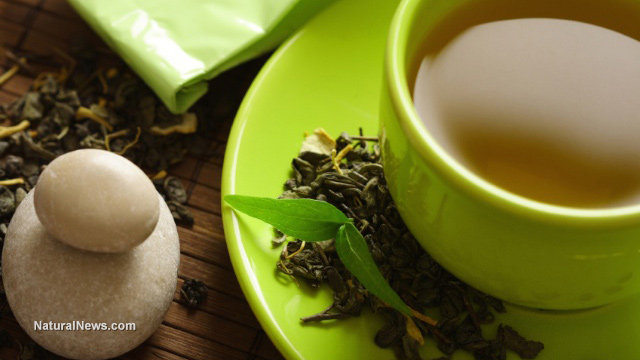
- A study of 8,766 older Japanese adults found that drinking three or more cups of green tea daily was linked to fewer cerebral white matter lesions, a brain change tied to dementia
- Participants drinking about three cups daily had roughly 3% fewer lesions; six cups daily was associated with a 6% reduction
- Coffee consumption showed no measurable effect on white matter lesions, hippocampal volume, or total brain volume
- The protective effects appeared only in those without depression or the APOE e4 gene variant, both strong dementia risk factors
- Green tea's catechins, especially EGCG, are thought to reduce inflammation and oxidative stress that damage brain blood vessels
Green tea and brain health: What the science shows
A large-scale Japanese study offers the strongest evidence yet that drinking green tea may help shield the aging brain from damage that leads to dementia, but the benefits may not apply to everyone.
Researchers from the Japan Prospective Studies Collaboration for Aging and Dementia analyzed data from 8,766 community-dwelling adults aged 65 and older who underwent brain MRI scans between 2016 and 2018. Participants completed food frequency questionnaires and were grouped by daily green tea consumption.
The findings, published in npj Science of Food, showed a clear dose-response relationship: Those who drank about three cups daily (600 milliliters) had roughly 3% fewer cerebral white matter lesions than those drinking less than one cup. Six cups daily correlated with a 6% reduction.
White matter lesions are areas of damaged tissue deep in the brain that accumulate with age. They disrupt communication between brain regions and are strongly linked to vascular dementia and Alzheimer's disease. Unlike coffee, which showed no measurable brain benefits, green tea's unique compounds appeared to protect these vulnerable areas.
How green tea protects the aging brain
Green tea contains high levels of catechins, particularly epigallocatechin gallate (EGCG), compounds with potent antioxidant and anti-inflammatory properties. Unlike black tea, which undergoes fermentation that alters its chemical profile, green tea retains these protective plant chemicals.
Dr. Steven Allder, a consultant neurologist at Re:Cognition Health not involved in the study, said the observed effects likely stem from green tea's ability to combat oxidative stress and reduce inflammation in brain blood vessels.
"Green tea's catechins may be more effective against white matter lesions than coffee's compounds, which are mainly chlorogenic acid and caffeine," Allder said.
The study found no association between green tea consumption and hippocampal volume or total brain size, suggesting the primary benefit lies in preserving the brain's vascular health rather than preventing overall brain shrinkage.
Who benefits—and who doesn't
The protective association between green tea and fewer brain lesions disappeared in two groups: people with depression and carriers of the APOE e4 gene variant, the strongest known genetic risk factor for late-onset Alzheimer's disease.
Researchers suggested that chronic inflammation associated with depression may counteract green tea's anti-inflammatory effects. For APOE e4 carriers, the powerful genetic predisposition to amyloid plaque buildup and vascular damage may overwhelm any protection green tea provides.
"These findings indicate that drinking green tea, especially three or more glasses per day, may help prevent dementia," the study authors wrote, while cautioning that the cross-sectional design cannot prove causation.
Historical context and modern relevance
Green tea has been consumed for centuries in East Asia, with traditional Chinese and Japanese medicine practitioners long attributing health benefits to the beverage. Modern science has confirmed many of these claims, linking green tea to reduced risks of cardiovascular disease, certain cancers and metabolic disorders.
This new research adds to a growing body of evidence that dietary habits in Japan—where green tea consumption is high and dementia rates are relatively low compared to Western nations—may offer protective effects. The study builds on earlier work showing that tea drinkers reduce their risk of neurocognitive disorders by 61%, with the highest-risk individuals lowering Alzheimer's risk by 86%.
The findings come at a critical time. With global dementia cases projected to triple to 153 million by 2050, researchers are urgently seeking accessible, low-cost prevention strategies. Green tea, widely available and culturally accepted across many societies, offers a simple intervention.
Practical recommendations
Experts suggest that consuming three to six cups daily, brewed unsweetened to maximize antioxidant intake, may provide brain protective benefits. This matches the levels associated with fewer white matter lesions in the Japanese study.
However, excessive consumption warrants caution. Health experts note that more than three to four cups daily may cause insomnia, gastrointestinal distress, or, in rare cases, liver damage due to high caffeine or catechin levels.
For those who dislike the taste of green tea, standardized green tea extract supplements have shown promise in improving scores on memory tests among individuals with mild cognitive impairment or Alzheimer's disease, offering an alternative delivery method for the same protective compounds.
A simple cup with complex benefits
The Japanese study strengthens the case for green tea as part of a comprehensive brain-healthy lifestyle, alongside regular exercise, quality sleep and nutrient-dense nutrition. While the findings do not prove that green tea alone prevents dementia, they suggest that each cup may contribute to long-term cognitive resilience.
For the millions of aging adults worldwide seeking practical ways to protect their brains, the evidence points to an ancient solution: a simple cup of green tea, consumed daily, may offer measurable protection against the brain changes that precede dementia—at least for those without the strongest genetic risk factors.
Sources for this article include:






Please contact us for more information.