
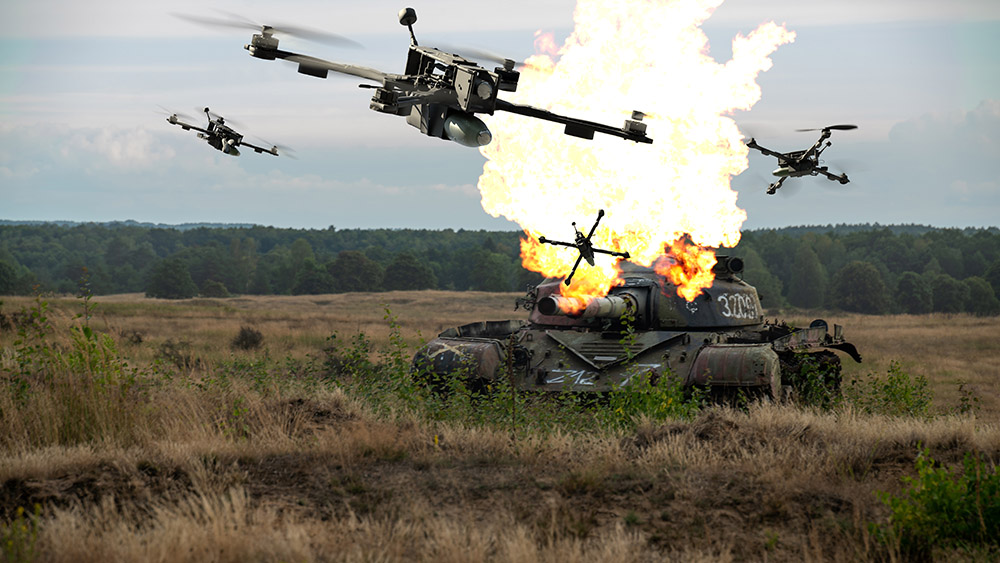
- Ukrainian drones struck St. Petersburg during SPIEF 2026, targeting a naval base and oil terminal hours before Putin’s speech.
- The attack injured civilians, disrupted the forum, and exposed Russian air defense vulnerabilities.
- Ukraine claims the strikes aim to cripple Russia’s economy through “long-range sanctions” on key infrastructure.
- Moscow warns of escalation, citing potential nuclear rhetoric amid growing drone attacks on its soil.
- The strikes signal a shift in the war’s dynamics, bringing conflict to Russia’s heartland and challenging Kremlin narratives of invulnerability.
As the St. Petersburg International Economic Forum (SPIEF 2026) opened its doors to thousands of global dignitaries, Ukrainian drones struck infrastructure and a naval base in St. Petersburg, Russia's second-largest city. The attack, which occurred hours before President Vladimir Putin's scheduled keynote address, left several people wounded and ignited plumes of black smoke visible across the city. The timing was no coincidence: SPIEF, often dubbed "Putin's Davos," is designed to project stability and attract foreign investment, yet the strikes exposed vulnerabilities in Russia's air defenses and sent an ominous message: the war is now reaching deep into Russian territory.
A strategic strike on Putin's Economic Stage
Governor Aleksandr Beglov confirmed that drones targeted the Kirovsky and Krasnoselsky districts and the port of Kronstadt, a key naval hub. At least 59 drones were shot down in Leningrad Region alone, with Russian Defense Ministry reporting 345 total intercepted nationwide. Ukraine claimed to have struck a Russian corvette, the Boiky, in a dry dock at Kronstadt, a vessel central to Russia's shadow oil trade.
Ukrainian President Volodymyr Zelensky called the strikes part of a "long-range sanctions" strategy, emphasizing precision against "important facilities" like oil terminals and weapon factories. The attack disrupted SPIEF, with airport closures and flight delays, and cast a pall over the event's opening.
The escalating drone war
Ukraine's aerial campaign has grown increasingly sophisticated. Over the past year, Kyiv has targeted fuel infrastructure, military factories, and even Moscow itself, using long-range drones to cripple Russia's economy. In May, Ukraine launched its largest drone assault on the Moscow region to date, striking residential and suburban areas and killing at least three people. Zelensky described the strikes as "entirely justified," framing them as retaliation for continued Russian attacks on Ukrainian cities.
Ukraine's drone campaign has drawn criticism from some analysts who question whether striking symbolic and economic targets is as effective as direct battlefield operations. Meanwhile, Russia's air defenses—despite claiming a "systemic" response—have repeatedly struggled to repel large-scale drone incursions.
Civilian casualties and escalation
The attacks came amid a grim toll on civilians. In the Donetsk People's Republic, seven civilians died when a drone struck a passenger bus en route from Crimea to Moscow. Governor Vasiliy Anokhin reported two firefighter deaths in Smolensk from drone debris. These incidents highlight the war's growing brutality, with both sides employing drones to strike infrastructure and transport. Russia's Sergey Shoigu warned that if NATO countries continue allowing Ukrainian drones to transit their airspace, Moscow may invoke Article 51 of the UN Charter for self-defense.
Putin's 'Davos' under cloud of smoke
SPIEF 2026, attended by 20,000 participants including Saudi Arabia's Energy Minister and U.S. figures like Candace Owens, was meant to showcase Russia's economic resilience. Instead, the forum opened under a plume of smoke and the sound of explosions. Guest Rodney Mims Cook Jr., chairing the federal arts panel that approved Trump's White House ballroom project, and Steven Seagal added to the surreal mix of attendees. The attack's timing, coinciding with Putin's planned speech, suggests a calculated effort to undermine his authority and the event's legitimacy.
The shadow of nuclear posturing
As the conflict intensifies, nuclear rhetoric has resurfaced. Russia has repeatedly invoked its nuclear capabilities throughout the war, with Kremlin officials periodically issuing warnings tied to Western support for Ukraine and escalating strikes on Russian territory. Whether the St. Petersburg strikes will prompt a new round of such rhetoric remains to be seen, but Moscow has made clear it views large-scale attacks on its cities as a serious escalation. The war's escalation risks drawing in NATO, which Putin has thus far avoided. Yet as Ukraine's drones reach deeper into Russia, the line between conventional and existential threats blurs.
Ukraine's long-range drone campaign suggests Kyiv is committed to bringing economic and psychological pressure directly to Russian soil. By targeting symbolic centers like St. Petersburg, Ukraine aims to force Moscow into a defensive posture while demonstrating capability to Western partners. Whether these strikes translate into a meaningful battlefield advantage or serve primarily as a message of resolve remains a subject of debate among military analysts. The answer may determine the war's trajectory.
A war without front lines
The St. Petersburg strikes mark a turning point. No longer confined to eastern Ukraine or the Black Sea, the war has reached deep into Russia, challenging the Kremlin's narrative of invulnerability. For Ukraine, the attacks are a statement of intent: the war is global, and Russia's economy is as much a battlefield as its military. As Putin prepares to speak at SPIEF, the smoke from the oil terminal serves as a reminder: in this war, every economic forum, every flight path, and every port is a potential target.
Sources for this article include:






Please contact us for more information.