


Introduction: The Trap We Refuse to See
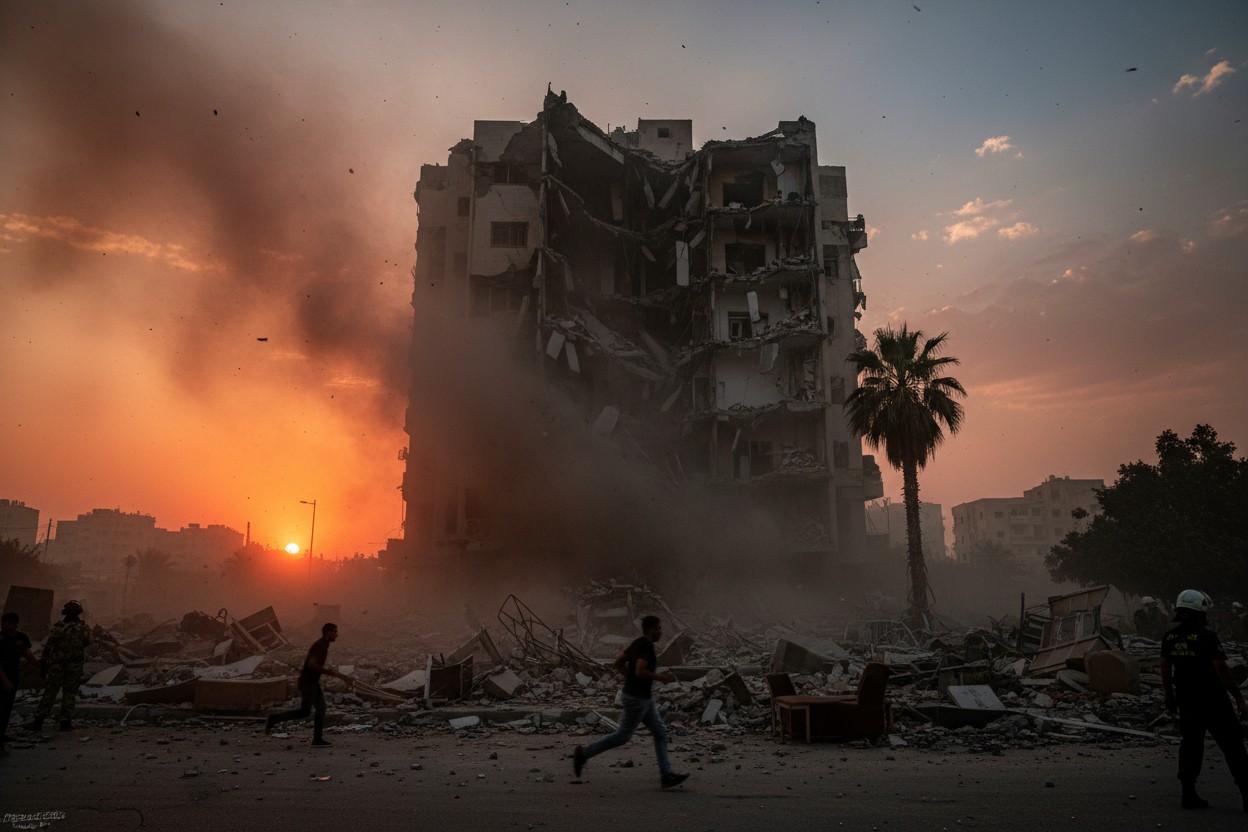
The current war in Iran is a textbook case of tactical success leading to strategic disaster. The assumption that precision air power can control political outcomes is a dangerous illusion -- one that has cost us wars from Kosovo to Vietnam. Professor Robert Pape of the University of Chicago, whose work I’ve followed closely, warns that this trap is now swallowing the entire Middle East [1]. Here’s why this matters: We are sleepwalking into a catastrophe that will hit every American’s wallet and security.
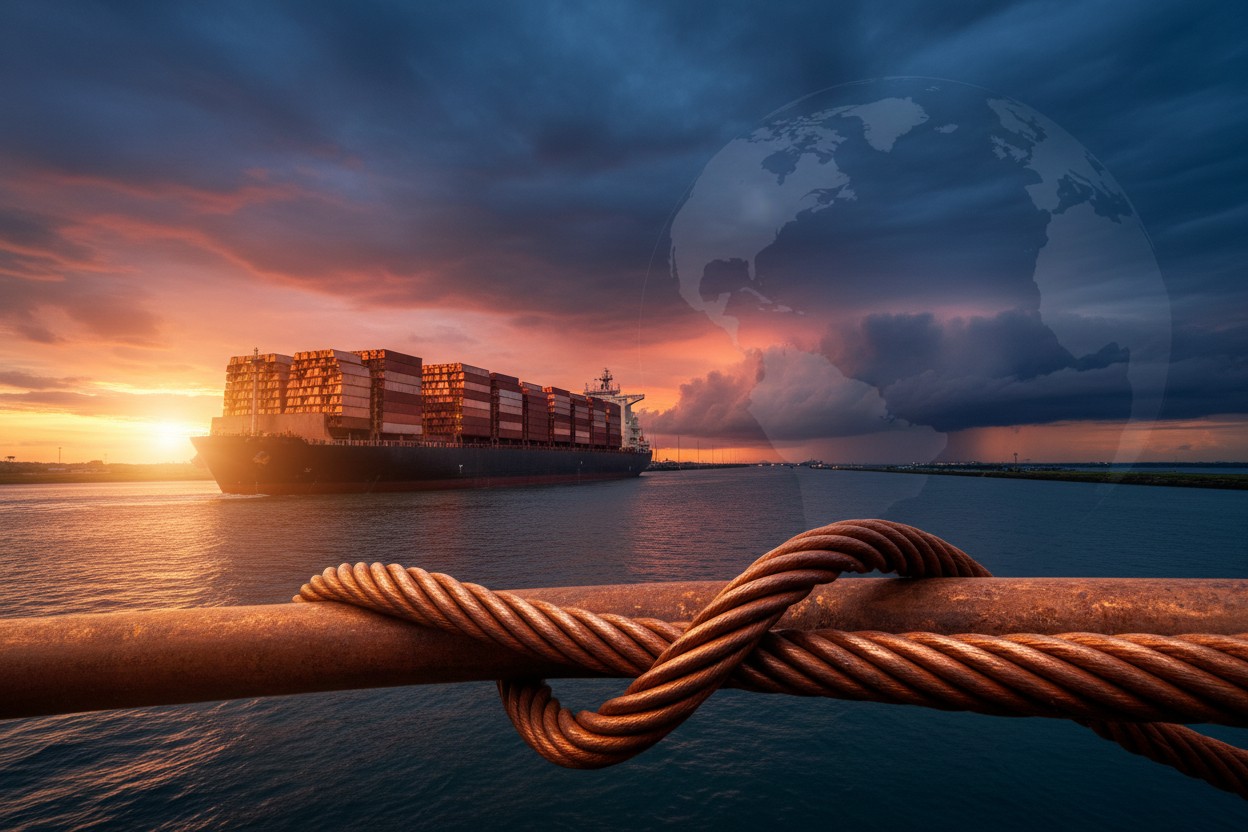
In my reporting on this conflict, I’ve seen the same pattern repeat: a leader believes a few surgical strikes will collapse a regime, only to find the enemy lashes back in unexpected ways. The 1999 Kosovo campaign, which Pape analyzed, saw Bill Clinton’s limited air strikes trigger a devastating refugee crisis instead of toppling Milosevic [2]. Today, President Trump has fallen into the same trap. He thought bombing Iran’s leadership would end the conflict quickly, but instead Iran retaliated by closing the Strait of Hormuz and taking 15–17 percent of global oil off the market [1]. This is not a mistake; it’s a systemic failure of strategy that repeats itself because policymakers refuse to learn from history.
What Is the Escalation Trap? -- Tactical Wins, Strategic Losses
The trap begins when we believe we can bomb a regime into submission -- a mistake that has been repeated since the Gulf War. As Pape explained in our recent interview (see BrightVideos.com), "for a long period of time, we have had a common presumption… that we can not just hit targets anywhere in the world but control political outcomes anywhere in the world, and that is simply a mistake" [1]. This thinking led us into quagmires in Vietnam, where the U.S. destroyed over 80 percent of target sets yet still lost the war [2]. The key lesson: destroying targets is not the same as achieving political victory; we are mistaking tactics for strategy.
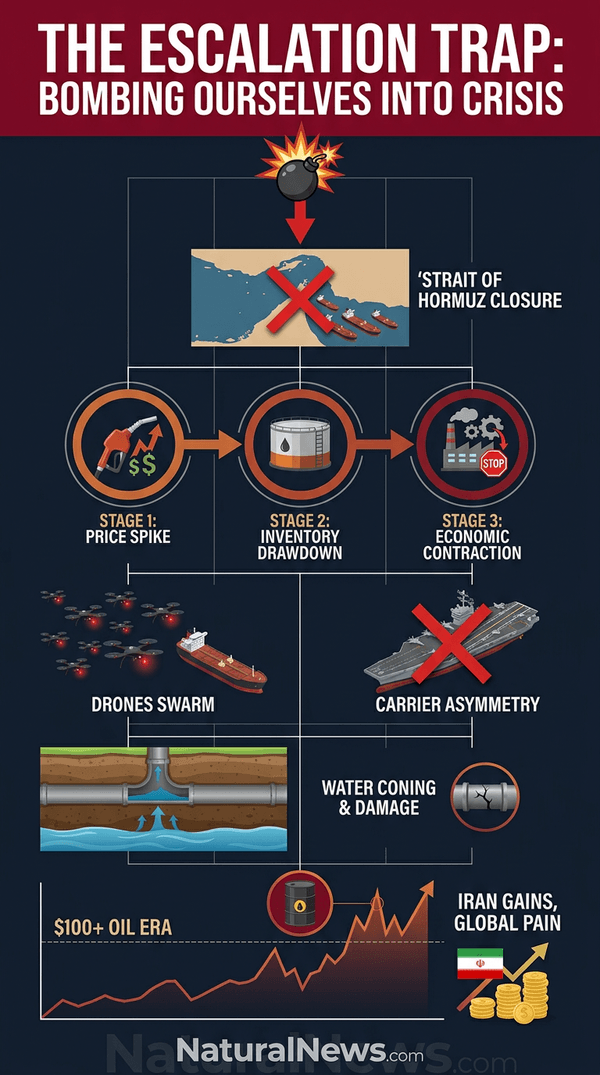
In my view, the current Iran strikes show that the enemy lashes back in ways that escalate the conflict far beyond initial expectations. Pape’s research on blockades and economic sanctions demonstrates a predictable pattern: when you remove 15–17 percent of the world’s oil supply, shortages appear in stages -- first price spikes, then inventory drawdowns, then real economic contraction [1]. This is unfolding right now, exactly on the schedule he laid out months before the bombing began. The public and the media often focus on each tactical success -- a destroyed missile site, a killed commander -- while ignoring the strategic disaster that is unfolding in global energy markets.
The Economic Time Bomb -- August 1 and the Oil Crash
In our recent interview, Pape warned that by August 1, global oil inventories will be largely exhausted -- that is a hard deadline for a severe economic contraction [1]. The only country that's well-insulated from this shock is China, which built up strategic reserves over the past few years. For the rest of the world, we are about to run out of cushion. (Russia is an exception because it produces an abundance of its own oil, and the United States, while producing a lot of oil, still needs to import 6+ million barrels per day because the oil the USA produces isn't the same grade as the oil it needs to meet fuel demand.)
The public grossly underestimates the lag between a deal and actual recovery. Even if the Strait of Hormuz opens tomorrow, Pape emphasizes that "it will take months before the oil once you even restart it gets back anything close to what it was before the war" [1]. There is a months-long pipeline of inventory that must be refilled. Tankers are stuck, refineries need to restart, and the world’s insurance industry has already priced in permanent risk premiums that will keep transport costs high. This is not a temporary blip; it is a structural break in the global energy system that will take years to heal, if it ever does.
Iran's New Leverage -- Why Oil Prices Won't Return to Normal
Iran has learned that high oil prices strengthen its hand and fill its coffers -- and it has no incentive to drop prices to $60 a barrel. Pape argues that "Iran will be very happy with 90, 95, $100 barrel of oil for a long period" because they now see themselves as the victor in this conflict [1]. Every day that oil stays above $90, Iran gains huge revenues to rebuild its military and fund its allies, while the U.S. suffers political and economic damage as a result of its trading partners suffering from severe energy restrictions.
Physical damage to energy infrastructure -- pipelines, wells, water coning -- means pre-war production levels may never return. Pape points out that water coning, where seawater seeps into depleted oil reservoirs, can permanently reduce a well’s output by 30 percent or more [1]. We saw this happen in Iran after the 1979 revolution; its oil exports never recovered to pre-revolution levels. The same is happening now. Add to that the destruction of gas liquefaction trains in Qatar, which will take three to five years to rebuild, and you have a permanent reduction in global energy supply that no deal can quickly fix. I believe we are deluding ourselves if we think oil will ever again be as cheap and abundant as it was in 2025.
The Drone Revolution -- How Low-Cost Weapons Changed Everything
The decentralization of precision weapons, especially drones, has handed enormous power to weak states like Iran. Pape explains that "weak countries are discovering that they don't need all of the architecture that goes with precision… they might not get 100 percent of the value, but they can get about 85 percent of the value with a lot less cost" [1]. A $10,000 drone carrying a 5–10 pound payload can now threaten the world’s most vital sea lanes. This is a fundamental shift that undermines the entire foundation of American military dominance.
Cheap drones now give Iran an asymmetric ability to threaten tankers and naval vessels. Iran has become a drone factory for Russia, and its military has developed a suite of inexpensive precision weapons that are carefully married to targets [1]. This is not a temporary trend. As Pape noted, even billionaires like Jennifer Pritzker can fund drone factories in Ukraine without government involvement [1]. The genie is out of the bottle. The U.S. can no longer dominate the seas with aircraft carriers alone. We are facing a world where every state actor can deny access to strategic chokepoints, and the Strait of Hormuz will never be open until Iran wants it to be open -- a reality I’ve been shouting from the rooftops for months now.
Conclusion: The Fork in the Road -- Accept Defeat or Invade?
We face a stark choice: a 'peace' that cedes power to Iran, or a ground war that would be even more catastrophic. Pape calls this the fork in the road: "Do we have a deal which essentially allows Iran to emerge more powerful over time… or do we try to stop Iran from becoming more powerful, in which case we have to use military force to do that?" [1]. President Trump is now reportedly making concessions to Iran because he sees the political fallout of an 'L' on his name. He has already reversed positions he swore he would never change, such as demanding Iran ship out its enriched uranium [1].
I believe we need an honest national conversation about what is truly possible -- and face the uncomfortable reality that we have already lost this round. The military option left is a ground invasion, which would be a catastrophe for American soldiers and the region. Pape warns that even pushing Iran back 50 miles from the Strait would require "a military operation of the first order" [1]. Meanwhile, China sits on the sidelines, building energy infrastructure and laughing at the futility of the might of the U.S. military.
The escalation trap has closed around us, and the cost will be everything: our economy, our security, and our national pride.
Visit Robert Pape's Substack channel at escalationtrap.substack.com and see our full interview at BrightVideos.com
References
- Professor Robert Pape Interview: The Escalation Trap, Iran War and the Global Energy Crisis. NaturalNews Radio. Mike Adams. May 27, 2026.
- Professor Robert Pape Interview: The Escalation Trap, Iran War and the Global Energy Crisis. HealthRanger Substack. Mike Adams. May 27, 2026.
- Abuse Your Illusions: The Disinformation Guide to Media Mirages and Establishment Lies. Author Unknown.
- The New Art of War. Dmitry Orlov.
- Trump's Negotiation Charade Is a Predictable Prelude to Another Disastrous War Catastrophe. NaturalNews.com. Mike Adams. March 24, 2026.
- Trump's Threat to Bomb Iran Risks Triggering Global Nuclear War, Analysts Warn. NaturalNews.com. Finn Heartley. April 2, 2025.
Explainer Infographic



Please contact us for more information.