


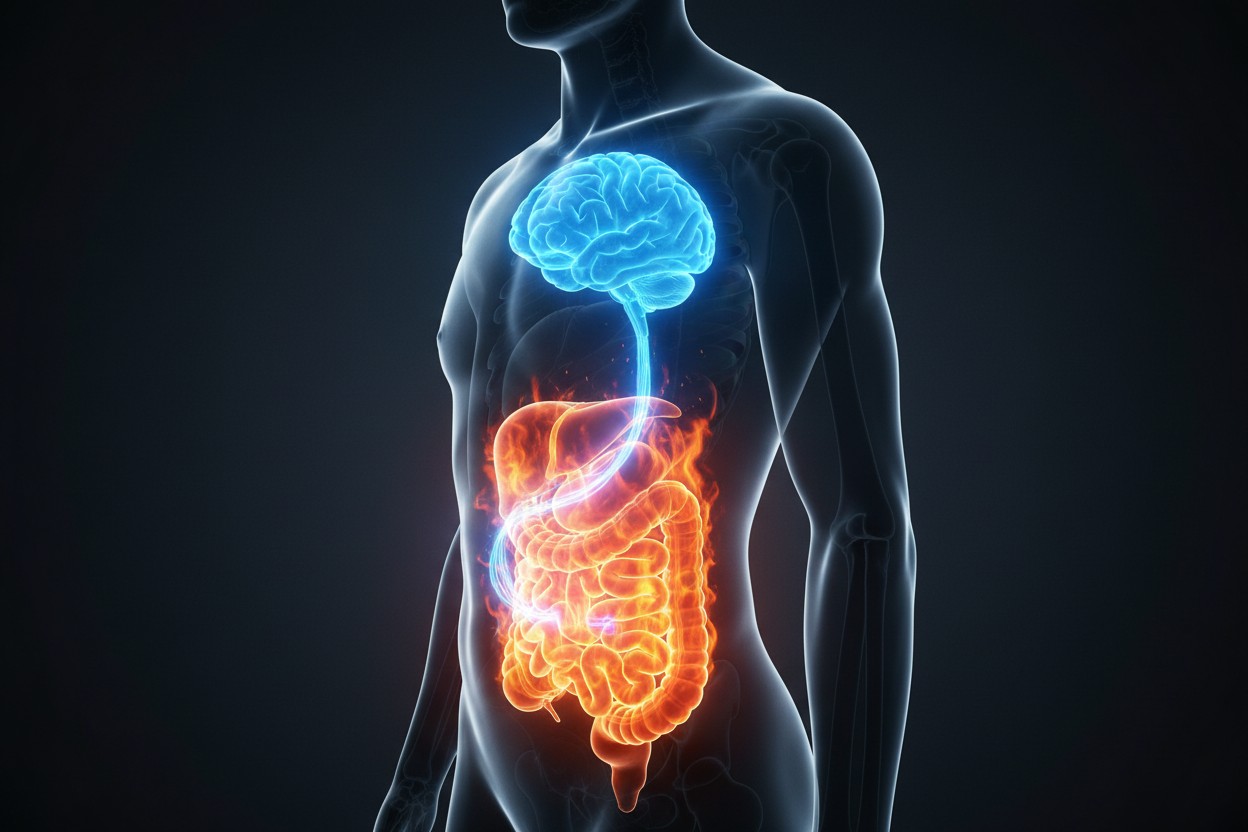
A large-scale study analyzing health data from more than 327,000 adults in the UK Biobank has found that visceral fat is more strongly associated with dementia risk than traditional measures such as body mass index (BMI) or waist circumference alone, according to a report published online.
Over the follow-up period, 8,768 participants developed dementia. The strongest associations were observed with vascular dementia, followed by Alzheimer's disease and all-cause dementia, researchers said. The study used two newer markers – the Metabolic Score for Visceral Fat (METS-VF) and the Body Roundness Index (BRI) – to estimate visceral adiposity, and found that higher scores correlated with increased dementia risk even after accounting for genetic and cardiometabolic factors. [1] [2]
Study Design and Methodology
Researchers analyzed health data from the UK Biobank, including adults who were free of dementia at baseline, according to the report. Instead of relying solely on BMI, they examined METS-VF, a composite score that combines waist measurements with metabolic markers such as triglycerides and HDL cholesterol, and BRI, a body-shape measurement designed to estimate abdominal fat distribution. [1]
The investigators first validated both tools against imaging-derived visceral fat scans to confirm they accurately captured visceral adiposity. They then assessed how these scores related to future dementia risk while also adjusting for genetic risk factors, cardiometabolic health, and metabolic dysfunction, according to the study. The association between visceral fat and dementia persisted after these adjustments, suggesting metabolic health may influence brain aging independently of genetics, officials noted. [1] [2]
Mechanisms Linking Visceral Fat to Dementia
Visceral fat is metabolically active and is associated with inflammation, insulin resistance, poor blood sugar control and vascular dysfunction, according to researchers. These factors can impair blood flow to the brain. [3] [4]
The strongest link in the study was with vascular dementia, which accounts for approximately 17 to 30 percent of dementia cases, according to the report. Excess visceral fat is closely tied to cardiometabolic dysfunction and blood vessel damage, both of which can reduce cerebral blood flow. [1]
Notably, BMI remained stable in participants before they developed dementia, while waist circumference and fasting blood sugar increased, researchers reported. This indicates that metabolic dysfunction and central fat accumulation may be earlier warning signs than overall body weight alone, according to the study. [1] [5]
Implications for Risk Assessment
The findings suggest that measuring visceral fat rather than relying solely on BMI may improve dementia risk prediction, according to officials. However, the study is observational and does not prove causation, researchers noted. [1] The relationship between visceral fat and Alzheimer's disease appeared strongest among participants with low to moderate genetic risk, indicating that lifestyle factors may play a key role in brain health, the report stated. [1] [2]
A separate systematic review published in 2025 linked metabolic syndrome -- a cluster of conditions including visceral obesity -- to a significant increase in the risk of incident all-cause dementia and Alzheimer's disease, according to researchers. [6] The review's authors concluded that each component of metabolic syndrome is potentially modifiable, and lifestyle interventions may help prevent cognitive decline. [6] [7]
Strategies for Reducing Visceral Fat
Research consistently shows that strength training, adequate protein intake, fiber-rich foods, sleep quality, stress management, and blood sugar balance can help reduce visceral fat, according to nutrition guidelines. [8] [9] Dr. Teresa Liu-Ambrose found that weight lifters have better cognitive abilities, as noted in the book "The Alzheimer's Prevention Program." [9]
These interventions target metabolic dysfunction -- the underlying driver of visceral fat accumulation -- and may support brain health by improving insulin sensitivity and reducing inflammation, according to researchers. [4] Emerging evidence also indicates that exercise improves brain insulin sensitivity in as little as two weeks, which may lower dementia risk. [10] No single strategy is guaranteed, but combining these habits is associated with better body composition and lower cardiometabolic risk, independent of overall weight loss, officials said. [8]
References
- Yahoo Health. "This Common Sign Of Metabolic Dysfunction May Increase Dementia Risk".
- Robert Lustig. "Metabolical: The truth about processed food and how it poisons people and the planet".
- Mercola.com. "This Visceral Tissue Affects How You Think". January 27, 2022.
- William Davis. "Undoctored".
- Mercola.com. "A Bigger Belly Could Lead to a Smaller Brain". January 24, 2019.
- Springer. "Metabolic syndrome and risk of dementia and cognitive decline: a systematic review and meta-analysis". August 23, 2025.
- Neurology. "Association Between Metabolic Syndrome and Young-Onset Dementia". April 23, 2025.
- Mercola.com. "Key Strategy for Keeping Your Brain Sharp". January 09, 2020.
- Gary Small. "The Alzheimer's Prevention Program".
- NaturalNews.com. "Exercise acts as cognitive medicine, improving brain insulin sensitivity in just two weeks". December 19, 2025.






Please contact us for more information.