


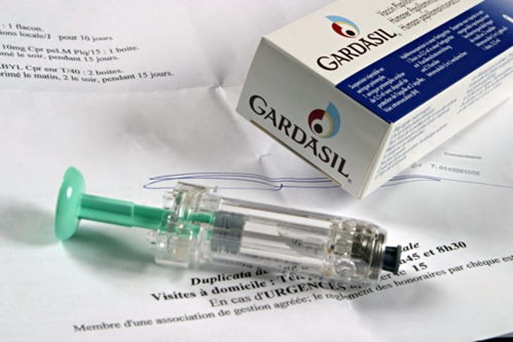
- Iowa Gov. Kim Reynolds signed Senate File 304 on May 19, 2026, requiring parental consent for minors to receive HPV and hepatitis B vaccines.
- The law rescinds a previous carve-out that allowed minors to independently consent to vaccines for sexually transmitted infections.
- Supporters cite parental rights and informed consent concerns, particularly for children as young as 9.
- Opponents, including the American Cancer Society, warn the law will reduce cancer prevention access in a state with the second-highest cancer rates.
- Iowa joins a growing number of Republican-led states tightening vaccine consent rules amid the "medical freedom" movement.
A new law in Iowa, signed by Governor Kim Reynolds on May 19, 2026, and set to take effect July 1, restores parental consent requirements for HPV and hepatitis B vaccines. The measure, Senate File 304, eliminates a legal exemption that had allowed minors under 18 to receive vaccines for sexually transmitted diseases without parental knowledge or approval. The policy change comes in response to years of allowing minors to independently consent to these treatments, and it is particularly significant in Iowa, which has the nation’s second-highest cancer rates.
A reversal of minor consent policy
Iowa had operated under a legal carve-out permitting adolescents to consent independently to vaccines targeting sexually transmitted infections. The new law eliminates that exception, bringing HPV and hepatitis B vaccine requirements in line with all other childhood vaccinations in the state.
Previously, supporters of minor consent argued the exemption protected young people who could not discuss sexual health or potential abuse with their guardians. Critics countered that the policy enabled informed consent violations, particularly for children as young as 9.
The HPV vaccine is marketed for children ages 9 to 11, an age group critics argue cannot make informed medical decisions independently. "The law has always recognized that the developing brain is not yet equipped to weigh complex, long-term risk-benefit tradeoffs," said James Lyons-Weiler, editor-in-chief of Science, Public Health Policy and the Law. "Vaccines are not exempt from that reality."
Legal precedents and national trends
The Iowa law follows legal challenges to similar policies elsewhere. A 2020 District of Columbia law allowed children 11 and older to consent to any Advisory Committee on Immunization Practices-recommended vaccine. In March 2022, a federal judge blocked enforcement of that law following lawsuits from Children's Health Defense and individual plaintiffs.
The D.C. case directly inspired Iowa's pushback. Informed Choice Iowa organizers said watching vaccine attorney Aaron Siri discuss the case prompted them to approach state legislators three years ago to draft the bill.
Nationally, Iowa joins other Republican-led states relaxing vaccine requirements amid rising "medical freedom" advocacy, though Iowa moved in the opposite direction by tightening rather than loosening consent rules.
Heated debate: Pro-cancer claims vs. parental rights
The legislation sparked intense partisan debate. Democrats and healthcare advocates called the bill a "pro-cancer" measure, pointing to the HPV vaccine's proven ability to prevent cervical, anal, and other genital cancers.
Rep. Austin Baeth, a physician and Democrat, argued the bill would harm vulnerable children. He said some adolescents lack trusting relationships with parents and need other adults to protect their health.
Republican Rep. Jeff Shipley challenged that position, asking Baeth whether he supported vaccinating a 9-year-old without parental permission. Baeth acknowledged the bill treated 9-year-olds identically to 17-year-olds.
The American Cancer Society Cancer Action Network urged Reynolds to veto the legislation, writing in an April letter that it conflicts with efforts to address Iowa's rising cancer rates.
"Unfortunately this change to state law will reduce access to proven cancer prevention tools and move us in the wrong direction," wrote Jackie Cale, the organization's Iowa government relations director.
Vaccine safety and liability concerns
The policy shift occurs against a backdrop of ongoing vaccine injury litigation. HPV and hepatitis B vaccines have been linked to serious autoimmune and neurological conditions.
Postural orthostatic tachycardia syndrome, fibromyalgia, and chronic fatigue syndrome are among documented injuries following HPV vaccination. Hepatitis B vaccines have been associated with Guillain-Barré syndrome, multiple sclerosis, and other immune system disorders.
Critics note that vaccine manufacturers and state governments face limited liability for injuries. The National Vaccine Injury Compensation Program has paid over $4 billion since its 1986 inception.
Parents bear the burden of any adverse outcomes. "The state bears no liability if something goes wrong," Lyons-Weiler said. "The manufacturer bears no liability. The parents bear all of it: the medical costs, the caregiving, the lost opportunities."
Looking forward: Implications for public health
The law takes effect July 1, joining restrictions on abortion medication access also signed by Reynolds that same week. A separate "medical conscience" bill allows healthcare providers to refuse care conflicting with their ethical or religious beliefs.
Public health officials express concern about declining HPV vaccination rates and rising preventable cancers. The CDC reports the HPV vaccine can prevent more than 90% of cervical cancer cases. However, proponents of the new law argue that parental involvement in medical decisions provides essential protection against potential harm.
The Iowa law represents a significant shift in how states balance adolescent autonomy, parental authority, and public health objectives, with implications likely to echo in legislative debates nationwide.
Sources for this article include:











Please contact us for more information.