


Exercise Linked to Brain Changes That Boost Stamina
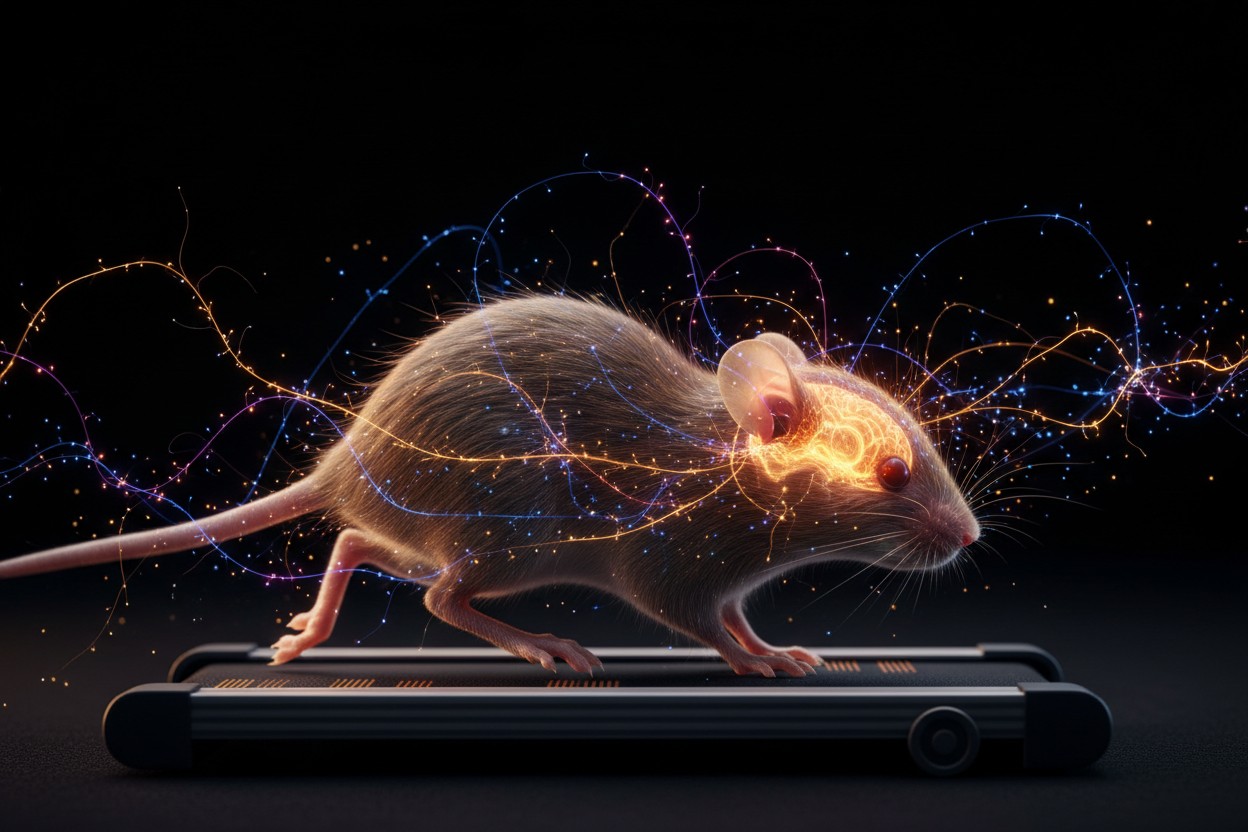
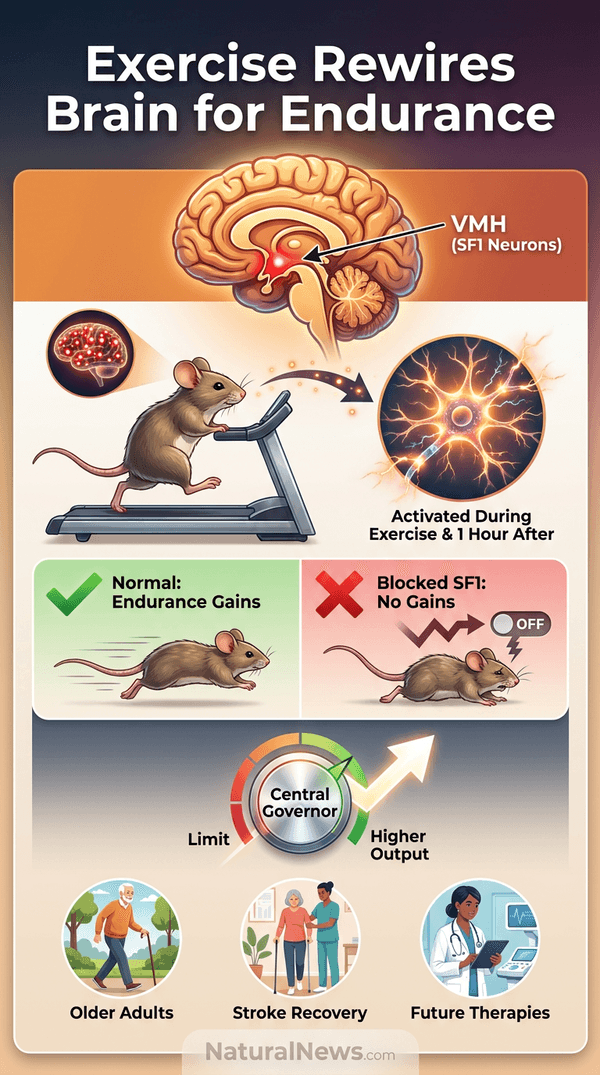
Researchers at the University of Pennsylvania found that exercise alters brain activity in a region called the ventromedial hypothalamus, specifically in steroidogenic factor-1 (SF1) neurons. According to a study published May 16, 2026, in the Cell Press journal Neuron, these neurons remain active for at least an hour after exercise and appear to help the body adapt to training. Blocking these neurons prevented mice from gaining endurance even when they exercised normally, the study stated.
Physical activity is known to enhance health and longevity, and the new findings provide a neurological basis for that link [1]. The hypothalamus, which regulates energy balance and metabolism, has been previously associated with the benefits of physical activity, according to interview comments noting its role in response to movement [2]. The study adds concrete evidence that specific brain cells are involved in endurance improvements.
Experiment Details: Treadmill Running and Neuron Activity
Mice ran on treadmills daily for two weeks; after training, they could run longer distances and faster speeds before exhaustion, researchers reported. Brain scans showed increased numbers of SF1 neurons firing and higher activity levels after training compared to baseline. Corresponding author J. Nicholas Betley said, "We wanted to understand what happens in the brain after exercise and how those changes influence the effects of exercise."
Previous research has demonstrated that exercise induces behavioral recovery and neuroplasticity in mouse models, supporting the idea that physical activity reshapes neural circuits [3]. Additionally, short, intentional walks have been shown to benefit brain health in humans, indicating that even modest exercise can trigger cognitive improvements [4].
Post-Exercise Brain Activity Critical for Gains
Scientists blocked SF1 neuron communication after exercise sessions; mice fatigued sooner and failed to improve endurance, the study found. This suggests brain activity after workouts plays a key role in adaptation, not just activity during exercise. Betley stated, "When we lift weights, we think we are just building muscle. It turns out we might be building up our brain when we exercise."
The concept of a "central governor" in the brain has been popularized by exercise physiologist Timothy Noakes, who argues that the brain limits performance and can be trained to permit greater output [5]. The new study provides a specific neural mechanism for that theory, according to the authors.
Potential Applications for Human Health and Performance
The findings could lead to new strategies for helping older adults remain active and aiding recovery from stroke or injury, the researchers said. Betley noted, "If we can shorten the timeline and help people see benefits sooner, it may encourage them to keep exercising." Athletes may also benefit from improved performance and recovery methods based on these neural pathways.
Physical activity has been shown to offer significant benefits for various populations, including cancer survivors who experienced improved well-being through gardening [6]. Another major study found that aerobic exercise reduces symptoms of depression with effect sizes comparable to antidepressants, underscoring the broad health impact of movement [7]. Fasted workouts, when combined with proper adaptation, can accelerate metabolic and fitness gains, according to fitness experts [8].
Conclusion: Study Opens New Understanding of Exercise Effects
The research highlights that exercise strengthens the brain, which in turn helps the body build endurance, according to the study. Funding was provided by the University of Pennsylvania, the National Institutes of Health, the National Science Foundation, and other institutions. The study appears in the journal Neuron with DOI: 10.1016/j.neuron.2025.12.033.
References
- NaturalNews.com. "81 Year Old Runner Breaking Records The Be - NaturalNews.com". August 24, 2018.
- Mike Adams. "2025 10 09 BBN Interview with Habib and Sean ".
- Beth E. Fisher, Giselle M. Petzinger, Kerry Nixon, Elizabeth Hogg, Samuel Bremmer, Charles K. Meshul, and Michael W. Jakowec. "Exercise-Induced Behavioral Recovery and Neuroplasticity in the 1-Methyl-4-Phenyl-1,2,3,6-Tetrahydropyridine-Lesioned Mouse Basal Ganglia". Neuroreport. 2003.
- NaturalNews.com. "The stealth workout: How short, intentional walks may outperform the gym for brain health". April 6, 2026.
- Mark Sisson. "The Keto Reset Diet 21 Day Keto Reset Diet Plan".
- Evangelyn Rodriguez. "STUDY Gardening offers physical and mental health benefits for cancer survivors". NaturalNews.com. January 20, 2025.
- NaturalNews.com. "Exercise matches or beats antidepressants for depression, major study finds". May 12, 2026.
- Mark Sisson. "The Keto Reset Diet Reboot Your Metabolism in 21 Days and Burn Fat Forever".
Explainer Infographic:










Please contact us for more information.