


- A cross-sectional study of approximately 4,600 adults found a significant link between higher potassium intake and fewer insomnia symptoms, with the timing of consumption at dinner being crucial.
- Unlike sodium, which showed no strong connection to sleep issues, potassium helps regulate nighttime blood pressure and promote muscle relaxation, key factors for restorative rest.
- Researchers hypothesize that consuming potassium at the evening meal is most impactful because it helps regulate nighttime blood pressure and facilitates relaxation during pre-sleep hours.
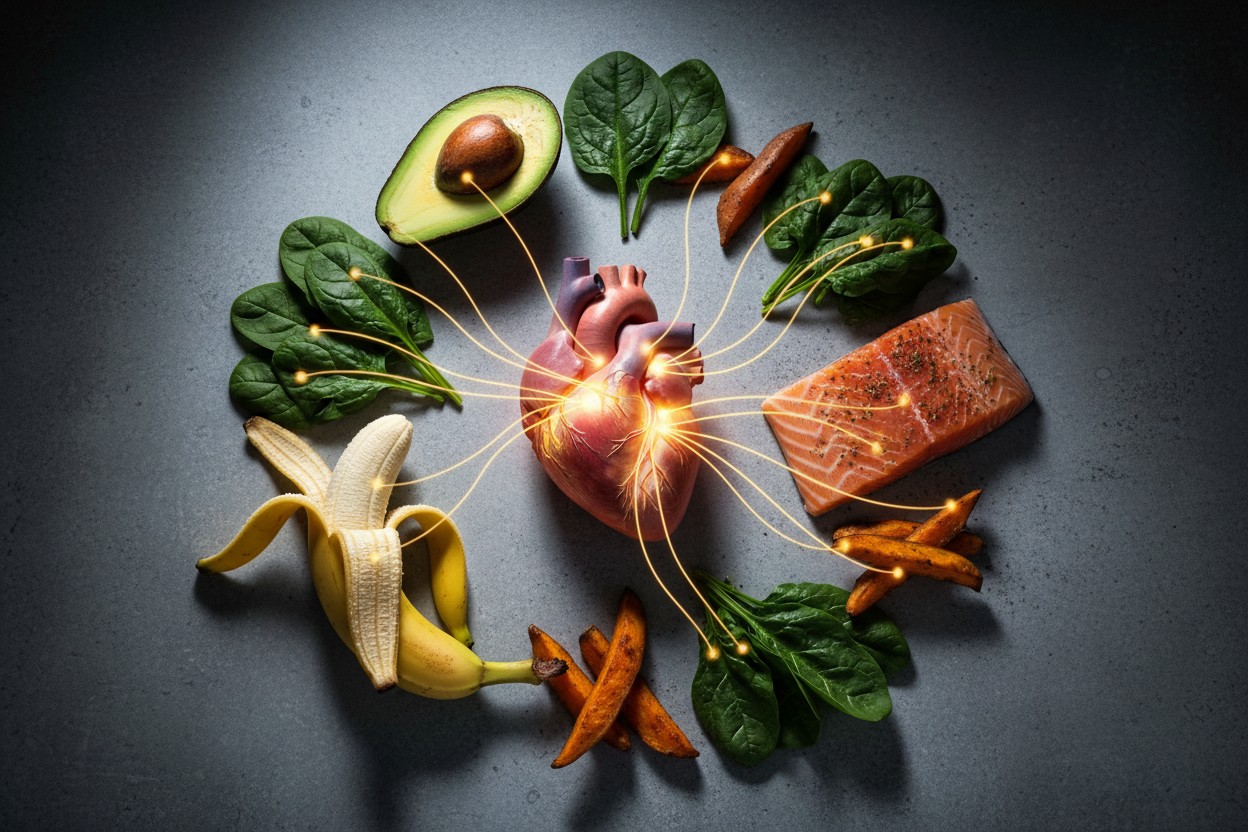
- Potassium-rich foods like sweet potatoes, leafy greens, avocado, white beans and bananas are accessible and delicious options to incorporate into dinner for a natural sleep boost.
- A balanced intake of potassium is crucial for maintaining a healthy circadian rhythm, which regulates the sleep-wake cycle, making dietary adjustments at dinner a safe and effective strategy for better sleep.
If counting sheep isn't cutting it, you might want to take a closer look at what's on your dinner plate. Research suggests that one simple nutrient—potassium—could play a powerful role in helping you drift off and stay asleep through the night.
A recent cross-sectional study involving approximately 4,600 adults has uncovered a surprising link between diet and sleep quality, and the findings point squarely at the humble mineral potassium. Published in the journal Nutrients, this research reveals that participants with higher potassium intake, particularly when consumed at dinner, reported significantly fewer insomnia symptoms.
The study examined dietary patterns and sleep outcomes among a large adult population, and the results were striking. Unlike sodium, which showed no strong connection to sleep issues, potassium emerged as a key player in nighttime rest. Researchers found that the timing of potassium consumption mattered greatly—consuming this mineral at the evening meal had the most pronounced impact on sleep quality.
Why potassium matters for sleep
We often hear about potassium in the context of heart health or muscle recovery, but it turns out this mineral is also essential for sleep regulation. Potassium helps muscles relax, keeps nerves firing properly and supports healthy blood pressure—all factors tied to restorative rest.
Researchers hypothesize that the timing of potassium intake is crucial because the mineral helps regulate nighttime blood pressure and promotes relaxation. As the body prepares for sleep, maintaining stable blood pressure and relaxed muscles becomes essential for drifting off and staying asleep.
The study at a glance
The cross-sectional study yielded three key findings that could transform how we think about dinner:
More potassium equals fewer insomnia symptoms. Participants who consumed higher amounts of potassium reported better sleep, and this effect was strongest when potassium was consumed at the evening meal.
Sodium wasn't the culprit. Unlike potassium, sodium intake—or the sodium-to-potassium ratio—did not show a strong connection to sleep issues in this study. This suggests that focusing on increasing potassium specifically, rather than simply reducing sodium, may be the more effective strategy.
Dinner timing matters. Researchers found that potassium at the evening meal had the most impact. This is likely because the mineral helps regulate nighttime blood pressure and facilitates muscle relaxation during the critical pre-sleep hours.
How to eat more potassium at night
Fortunately, potassium-rich foods are both accessible and delicious. Incorporating these into your evening meal can provide a natural sleep boost without the need for supplements or medications.
Consider adding these potassium-packed options to your dinner plate:
- Sweet potatoes or roasted squash – These root vegetables are excellent sources of potassium and pair well with almost any main dish.
- Leafy greens like spinach or kale – A simple sautéed side dish can significantly boost your potassium intake.
- Avocado – Whether sliced on toast, mashed into a sauce or added to a salad, avocado is one of the richest potassium sources available.
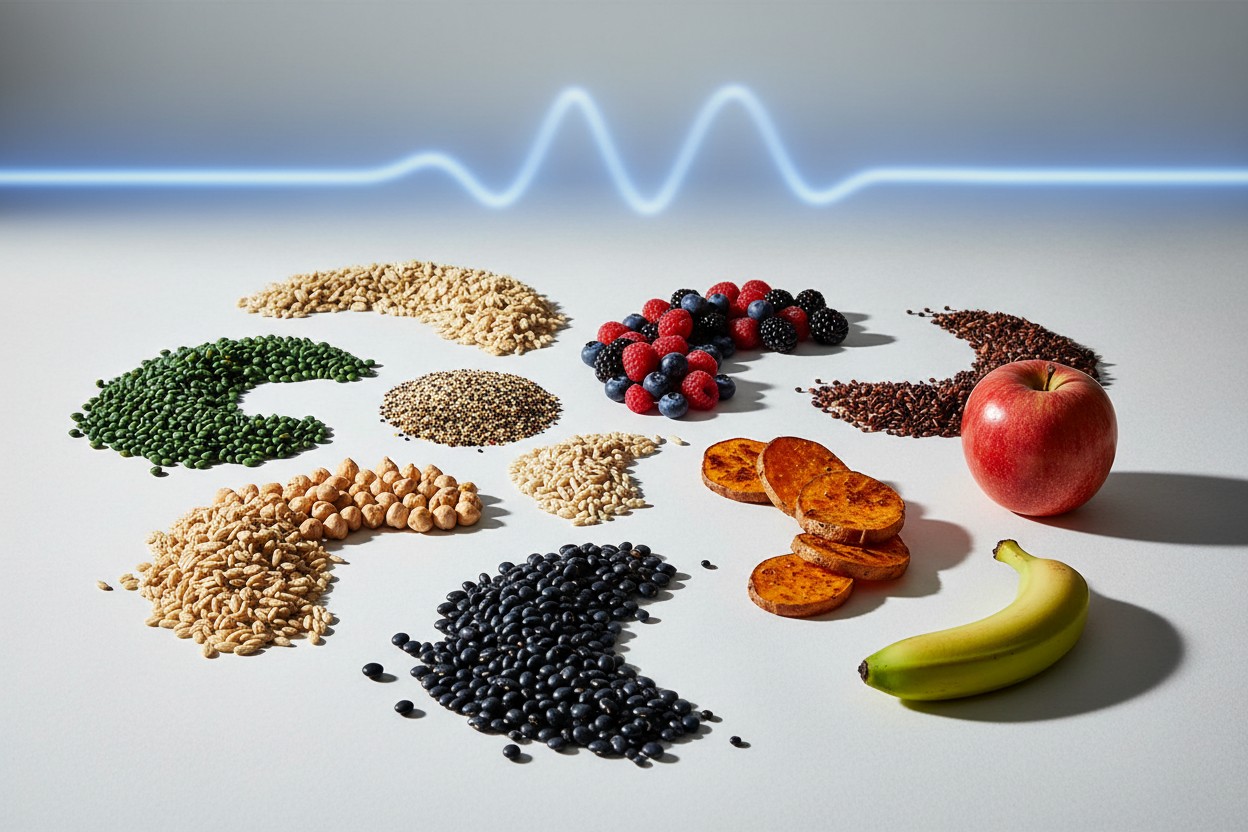
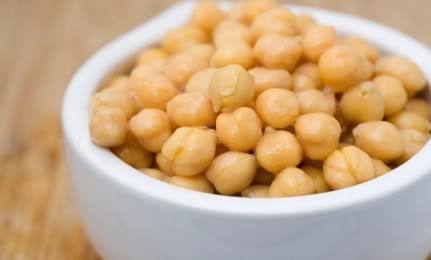
- White beans – These versatile legumes can be added to soups, stews or grain bowls for an easy potassium boost.
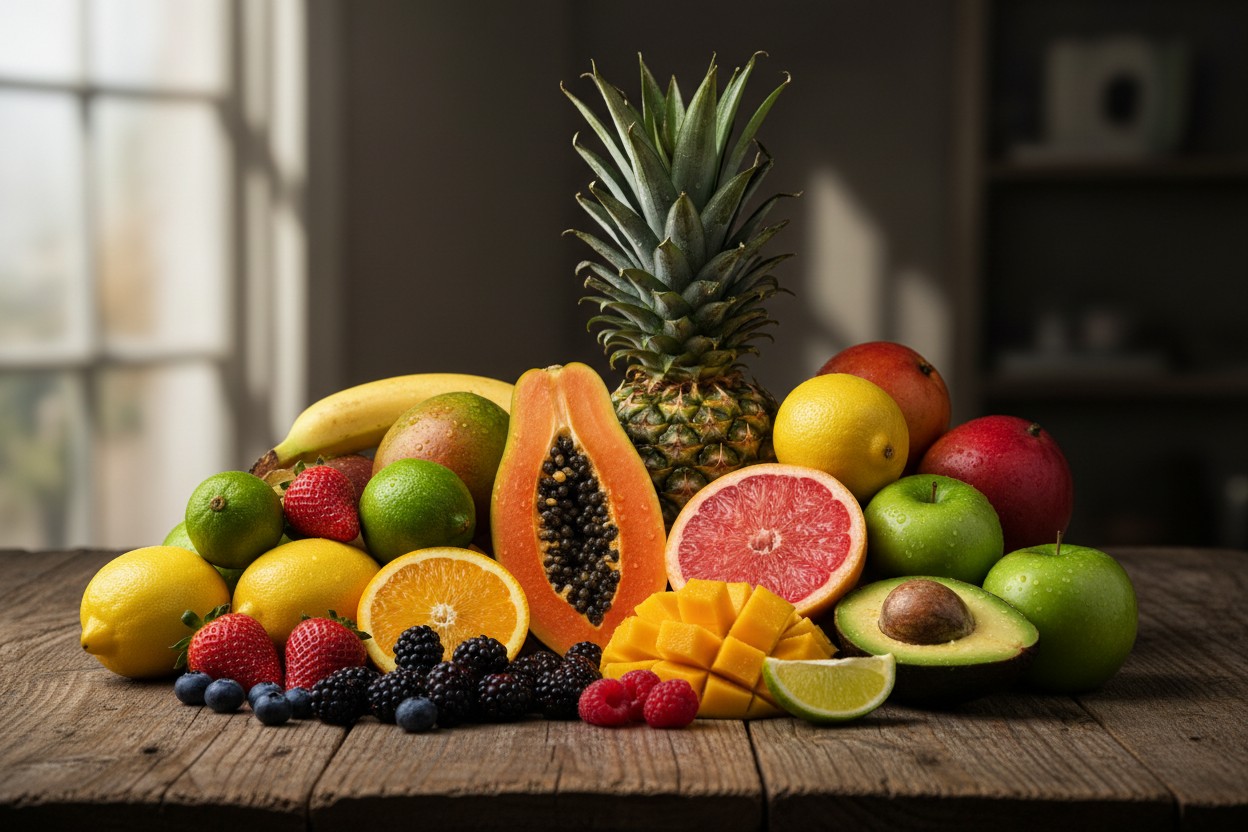
- Fruit such as bananas and citrus – While often eaten as snacks, these fruits also work well in savory dinner dishes or as a simple dessert.
The bigger picture: Potassium's role in health
Beyond sleep, potassium is involved in numerous bodily functions. It helps muscles contract, maintains proper nerve function and supports a healthy heart rhythm. A balanced intake of potassium is also crucial for maintaining a healthy circadian rhythm, which regulates the sleep-wake cycle.
Given the study's findings, experts suggest that simple dietary adjustments at dinner could be a safe, accessible and effective strategy for those struggling with restless nights.
The takeaway
If you're struggling with restless nights, your diet may be part of the puzzle. Prioritizing potassium, especially at dinner, could support deeper, more restorative sleep. While more research is needed to fully understand the mechanisms at play, this study offers a simple and delicious starting point: load up on potassium-rich foods in the evening, and you might just find yourself sleeping through the night.
The solution to better sleep might be closer than you think—right there on your dinner plate.
According to BrightU.AI's Enoch, potassium helps regulate sleep by promoting muscle relaxation and supporting nerve function, which can reduce nighttime discomfort and restlessness. Adding potassium-rich foods like avocados or leafy greens to your evening meal may also help balance your sodium intake and improve overall sleep quality.
Watch and learn how to boost intake of potassium with freeze-dried organic bananas.
This video is from the Health Ranger Store channel on Brighteon.com.
Sources include:








Please contact us for more information.