


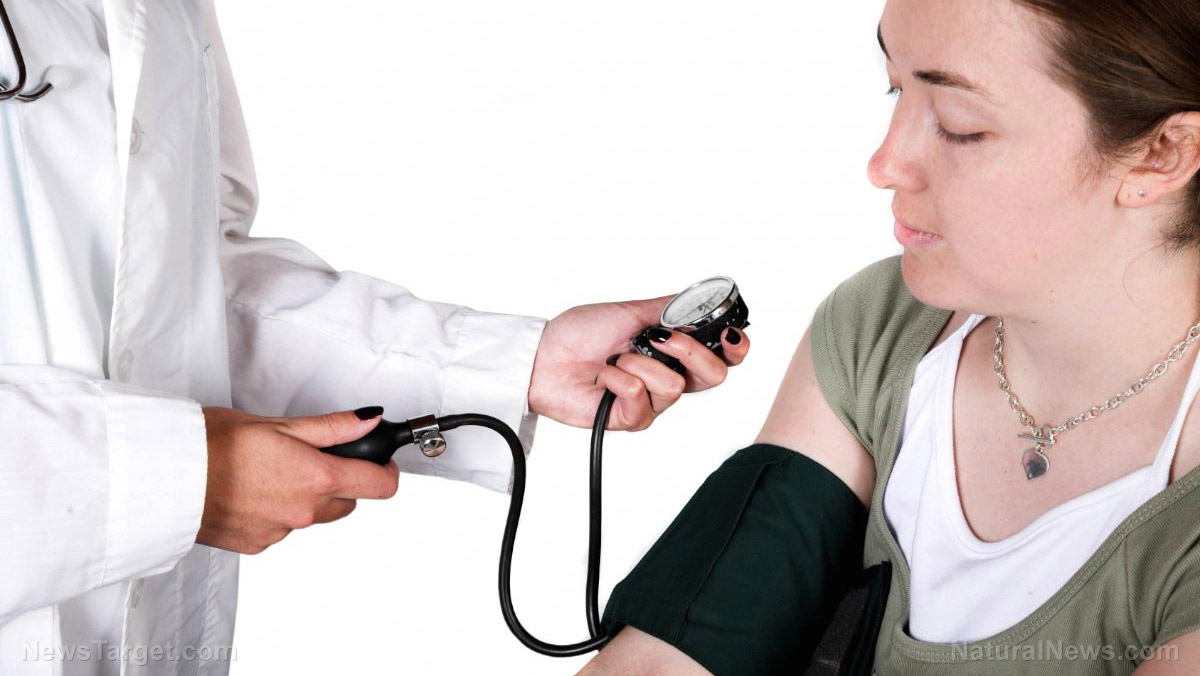
The fluorescent lights flicker overhead. A nurse wraps the cuff around your arm. The machine hisses, deflates, and spits out a number that will follow you home, follow you to the pharmacy, and follow you into your medical record for the next year. That single moment, that snapshot captured between the stress of waiting room anxiety and the pressure of a white coat staring back at you, has become the gold standard for diagnosing high blood pressure.
But here is the uncomfortable truth that cardiologists have known for years but rarely explain to patients: office blood pressure readings are a lie. They tell you almost nothing about how your cardiovascular system behaves over the course of a real day, a real night, or a real workout. What matters, what actually predicts whether you will have a heart attack or a stroke, is ambulatory blood pressure monitoring, the 24-hour tracking that captures your numbers while you sleep, while you stress, and while you move through the messy reality of living. And according to a major new analysis published in the British Journal of Sports Medicine, the type of exercise that reshapes those 24-hour numbers most effectively is not what most people think.
Key points:
- Office blood pressure readings, while great for catching emergency medical issues, are poor predictors of actual cardiovascular risk over the long haul.
- Ambulatory blood pressure monitoring tracks pressure across 24 hours and is a stronger predictor of heart attack risk.
- A network meta-analysis of 31 trials involving 1,345 participants ranked 7 exercise types.
- Combined aerobic and resistance training lowered systolic pressure by 6.2 mm Hg on average.
- Aerobic training alone reduced pressure by 4.73 mm Hg across full day and night cycles.
- High-intensity interval training reduced pressure by roughly 5.71 mm Hg.
- Resistance training alone was less consistent in lowering 24-hour blood pressure.
- Mechanism involves sustained blood flow and endothelial function improvement from aerobic work.
- Exercise effects carry into sleep and normal daily activity, not just post-workout windows.
The basics of blood pressure and what the cuff misses
Blood pressure is not a single number, dictating your health throughout the day. It is a dynamic, living measurement that shifts with every emotion, every meal, every step, and every breath you take. When a doctor takes your blood pressure in a clinic, they are capturing a moment in time that is often artificially elevated by the very act of being measured. This phenomenon, called white coat hypertension, leads millions of people to be prescribed medications they may not need. Meanwhile, those with masked hypertension, people whose numbers look normal in the clinic but spike during real life, slip through undiagnosed.
The more meaningful measurement is ambulatory blood pressure, which is recorded automatically over a full 24-hour period using a portable monitor worn on the arm. This method captures your pressure during sleep when your body should be at its lowest, during stressful work meetings when it climbs, and during exercise when it responds to physical demand. Cardiologists consider ambulatory readings a stronger predictor of heart attack risk and cardiovascular mortality than office measurements because they reflect the true burden your arteries carry across an entire day.
Disclaimer: High blood pressure left unmanaged can lead to serious complications including dissected artery, brain swelling, or stroke. If you experience sudden severe headache, chest pain, vision changes, or difficulty speaking, seek emergency medical attention immediately. You may mistake a routine symptom as something minor, but silent injuries to the cardiovascular system do occur, and these necessitate emergency medical procedures.
This study focuses on non-emergency situations, where small habits make all the difference for long term blood pressure maintenance.
Why aerobic exercise and combined training matter for blood pressure maintenance
The researchers analyzed 31 randomized controlled trials involving 1,345 participants and 67 distinct exercise protocols. They used a network meta-analysis method that ranks multiple interventions simultaneously by integrating both direct comparisons and indirect evidence. The result is a clearer picture of what actually works when exercise is measured against the most meaningful target, the 24-hour ambulatory reading.
Aerobic exercise, which includes running, cycling, and brisk walking, showed the most consistent impact across all trials. It lowered ambulatory blood pressure throughout the full day and night cycle, not just in the hours immediately following a workout. Combined training, which pairs aerobic work with resistance exercises, produced the largest average drop in systolic pressure at 6.2 mm Hg. High-intensity interval training followed closely at 5.71 mm Hg, while aerobic training alone reduced pressure by about 4.73 mm Hg.
These reductions may sound modest, but sustained drops of this magnitude translate to meaningfully lower cardiovascular risk over years. The researchers point to a clear mechanism explaining why aerobic and combined approaches outperform resistance training alone. Aerobic work increases sustained blood flow and shear stress on blood vessel walls, which supports endothelial function and vasodilation. Heavy resistance training, by contrast, can create short-term increases in arterial stiffness during high-pressure loading, which may blunt its impact on ambulatory measures.
What stands out in this analysis is not simply that exercise lowers blood pressure, but that it reshapes how the body regulates pressure across an entire day. The effect is not confined to the minutes after a workout. It carries into how your cardiovascular system behaves while you move through normal life, and even while you sleep.
For routine maintenance of blood pressure, the pattern that emerges is less about choosing a single best workout and more about what happens when different types of training are combined. Aerobic exercise remains the most reliable anchor for 24-hour blood pressure control. But the strongest overall benefit comes when that aerobic base is paired with resistance work or interval-style training, rather than relying on strength training alone.
Sources include:






Please contact us for more information.