


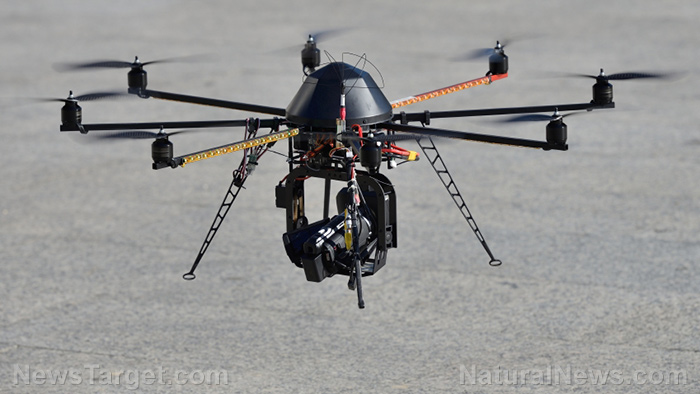
- U.S. intelligence reports allege Cuba has acquired over 300 military drones from Russia and Iran since 2023, with discussions of potential attacks on Guantanamo Bay, naval vessels and Key West.
- CIA Director John Ratcliffe traveled to Havana last week to warn Cuban officials against hostile actions and urge political reforms.
- Cuba's government denies possessing attack drones and accuses the U.S. of fabricating pretexts for military aggression.
- The Trump administration views Cuba as an emerging security threat due to its growing military relationships with Russia and Iran.
- Skeptics compare the intelligence to pre-Iraq War assessments, warning against unverified claims justifying military escalation.
Classified intelligence alleging Cuba has acquired more than 300 military drones from Russia and Iran has sparked heightened concern within the Trump administration over potential threats to U.S. military assets and territory just 90 miles from American shores, according to multiple reports published Sunday.
The intelligence, first reported by Axios and later corroborated by Reuters and NewsNation, alleges Cuban military personnel have discussed potential drone attacks against the U.S. naval base at Guantanamo Bay, American naval vessels and possibly Key West, Florida. The reports emerged shortly after Iranian military advisers were reportedly observed in Havana, raising alarms about escalating military cooperation between the island nation and U.S. adversaries.
CIA Director John Ratcliffe traveled to Havana last week for rare direct meetings with Cuban intelligence officials, warning against hostile actions while urging political reforms that could ease crippling U.S. sanctions. The Justice Department also plans to unseal an indictment against Cuba's de facto leader, Raúl Castro, for allegedly ordering the 1996 downing of two civilian aircraft flown by a Miami-based humanitarian organization.
Intelligence assessment details alleged drone arsenal
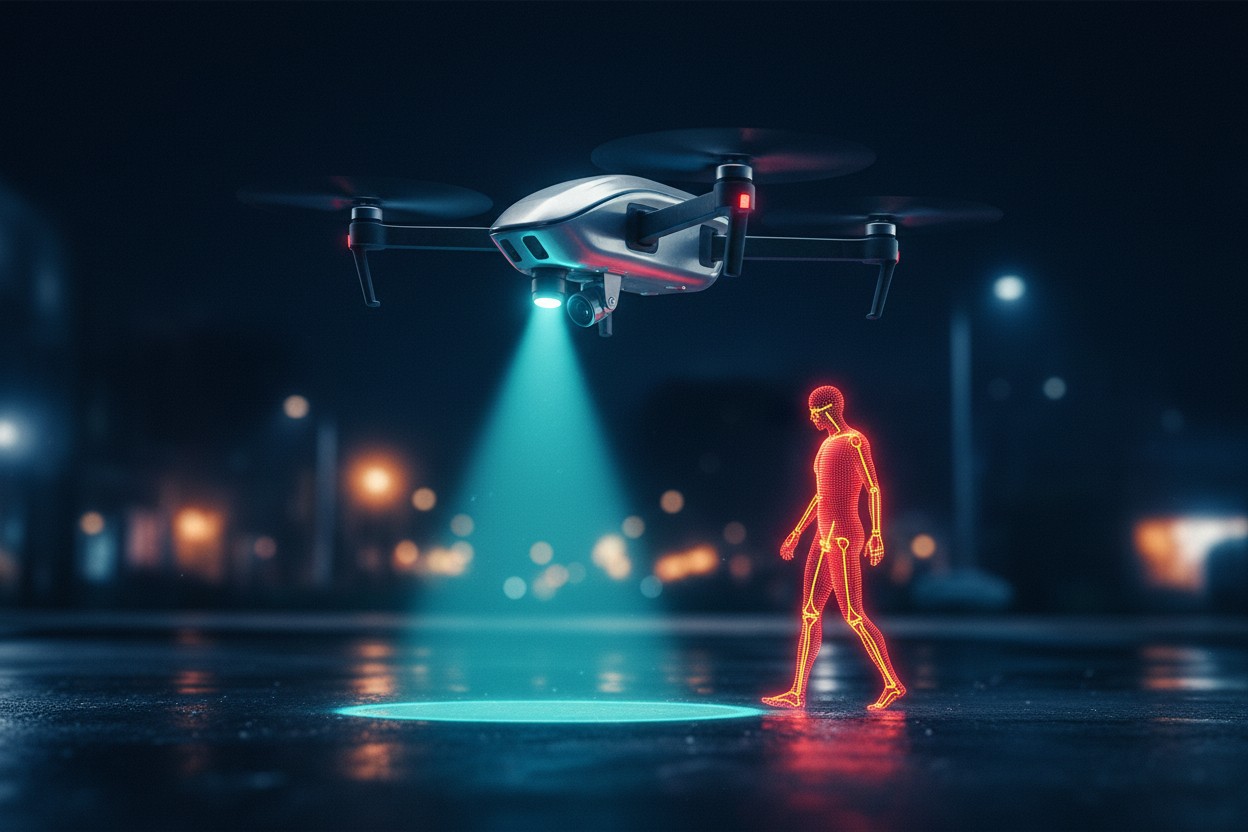
According to the classified intelligence cited by Axios, Cuba has been acquiring attack drones of "varying capabilities" from Russia and Iran since 2023 and has stored them in strategic locations across the island. Within the past month, Cuban officials have sought additional drones and military equipment from Russia, a senior U.S. official said.
The intelligence intercepts also indicated Cuban intelligence officials are studying Iranian drone warfare tactics used in recent regional conflicts, the official said. U.S. officials estimate that as many as 5,000 Cuban soldiers have fought for Russia in its invasion of Ukraine, with some informing the island's military leaders about the effectiveness of drone warfare.
Defense Secretary Pete Hegseth confirmed during a congressional hearing Tuesday that Russia and China maintain high-tech espionage facilities for collecting signals intelligence in Cuba, describing such capabilities near American shores as "highly problematic."
Cuban government denies aggressive intent
Cuban officials strongly disputed the intelligence report, with Foreign Minister Bruno Rodriguez accusing the U.S. government of building "a fraudulent case" to justify economic war and potential military aggression.
President Miguel Díaz-Canel wrote on social media Monday that Cuba poses no threat to the United States "nor does it have aggressive plans or intentions against any country." He warned that threats of military aggression "constitute an international crime" that would "trigger a bloodbath with incalculable consequences."
Cuba's embassy issued a written statement asserting the country's right to self-defense under international law, without directly denying possession of military drones.
Historical parallels and skepticism emerge
The intelligence claims drew immediate skepticism from some commentators and political observers, who compared the allegations to intelligence assessments presented prior to the 2003 invasion of Iraq.
A Newsweek report noted critics on the political left warned against relying on unverified claims to justify military escalation, pointing to historical precedents where intelligence was manipulated to support pre-determined policy objectives.
The comparison carries particular weight given that the 2003 Iraq War was launched based on intelligence assertions about weapons of mass destruction that later proved unfounded. Critics argue the current intelligence lacks independent verification and could serve as a pretext for military action against Cuba.
Regional context intensifies security concerns
The drone allegations emerge amid already heightened tensions between Washington and Havana, with Cuba facing severe economic instability, fuel shortages and growing unrest across the island.
President Donald Trump said earlier this month the U.S. could take over Cuba "almost immediately" and suggested Cuba could be the next target once military operations in Iran conclude. However, U.S. officials told The Associated Press they were not considering imminent military action despite the president's comments.
The Florida Keys Sheriff Rick Ramsay issued a statement saying he had received no warnings from state or federal officials about any looming threat from Cuba, telling the Miami Herald, "I don't believe there is any reason to be concerned."
A threshold moment in U.S.-Cuba relations
The intelligence dispute represents a threshold moment in the long-strained relationship between Washington and Havana, with implications extending far beyond the Caribbean. The emergence of advanced drone technology near American shores, combined with Cuba's deepening military ties to Russia and Iran, presents a new calculus for U.S. national security planners.
Whether the intelligence leads to military action, renewed diplomatic engagement or remains a point of contention depends on verification efforts and political calculations within the Trump administration. What remains clear is that Cuba, long considered a diminished threat since the 1962 Missile Crisis, has re-emerged as a focal point of hemispheric security concerns, with potential consequences for regional stability and the broader geopolitical competition between the United States and its adversaries.
Sources for this article include:




Please contact us for more information.