


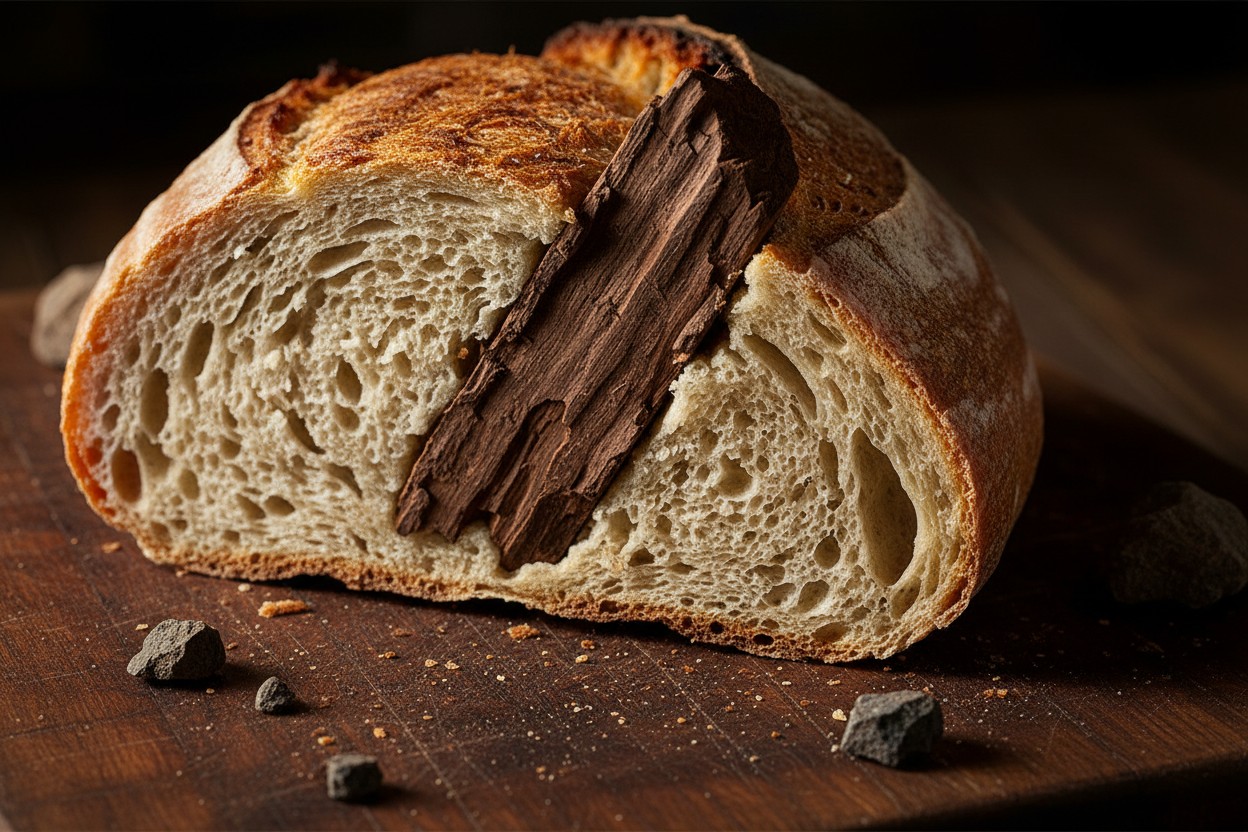
Why You Might Find Gravel in Your Grain and Wood Chips in Your Bread
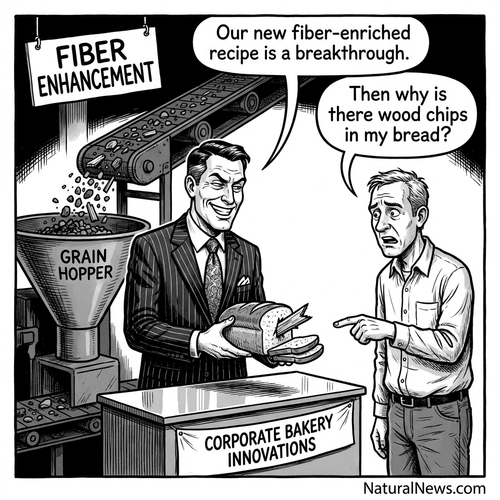
I’ve spent 12+ years analyzing food quality in my laboratory, and what I’m seeing today terrifies me. Viral videos are now surfacing that allegedly show wood chips embedded in commercial bread loaves, and produce that would have been tossed a decade ago is now filling grocery shelves. The coming food crisis isn’t a distant threat; it’s already starting.
As a food scientist, I believe we are witnessing the systematic degradation of the world’s food supply. Fertilizer shortages ignited by ongoing wars, combined with the deliberate lowering of quality standards, mean that consumers will soon find inedible debris in their staples. This is not about a single bad batch -- it’s about a broken supply chain that prefers volume over safety. Here’s why this matters, and what you can do about it.
Why Standards Are Falling
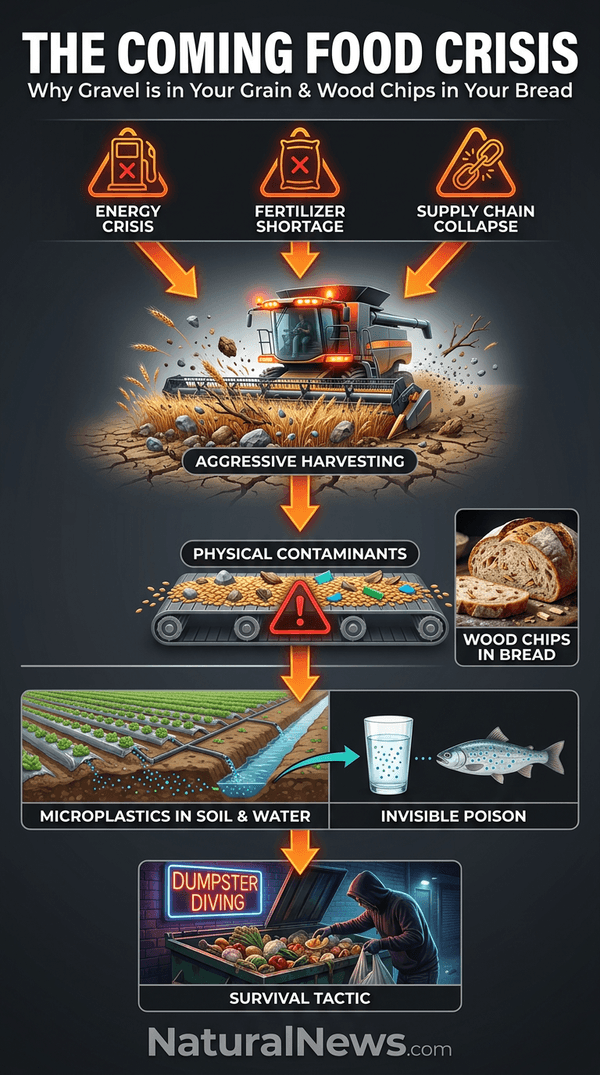
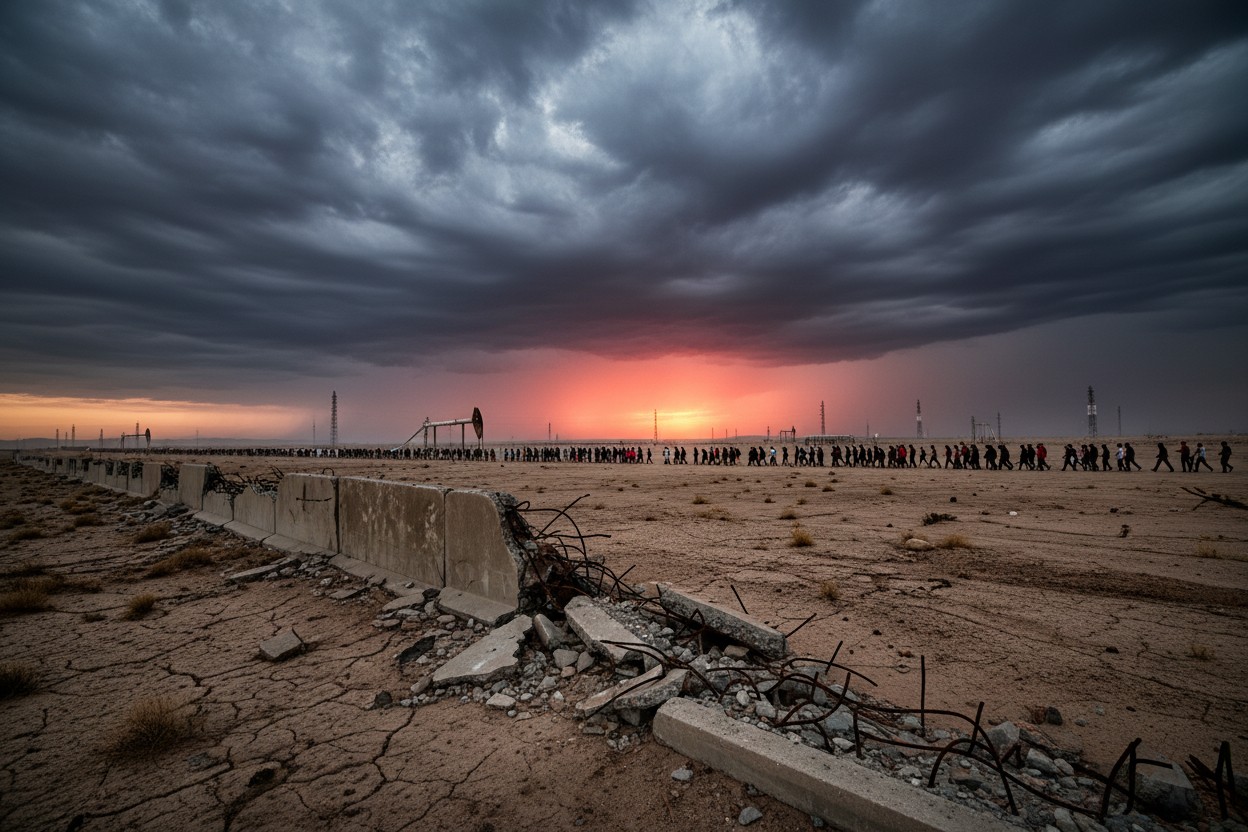
The root of the problem lies in the energy and fertilizer crisis. War in the Middle East and Eastern Europe has disrupted global fertilizer supplies, driving costs through the roof. Farmers, squeezed by rising input prices and stagnant crop prices, are forced to cut corners. One common shortcut is to run harvesting equipment at maximum aggression, which sometimes pulls up rocks, dirt, and debris along with the grain. As Dale Allen Pfeiffer documents in Eating Fossil Fuels, the decline in energy availability directly impacts agricultural productivity and forces unsustainable practices [1].
Meanwhile, quality control mechanisms are being quietly dismantled across the supply chain. Buyers who once rejected contaminated shipments now accept them because there is no alternative stock. The 21WIRE news report on 2026 trends warns that “trade turbulence and economic instability will persist,” and that the US, European, and UK economies face a difficult year [2]. When every link in the chain is compromised, the end result can be frequent contamination of food staples with unusual matter (to say the least).
Early Warning Signs of Widespread Contamination
My laboratory has documented an alarming increase in physical contaminants in some bulk grain shipments. Similarly, produce that once would have been rejected -- bruised, battered, and rotting -- now hits the shelves because suppliers know they can sell it anyway.
Another hidden contamination crisis is plastic. A recent report from Children’s Health Defense details how plastic waste is piling up in our environment and poisoning our bodies, with “advanced recycling” solutions that fail to solve the problem [3]. That plastic eventually finds its way into soil, water, and ultimately food. The degradation of quality is comprehensive: from physical debris to chemical contamination, every meal is becoming a gamble.
Dumpster Diving: The New Survival Tactic
As food becomes scarce and expensive, desperate people will turn to dumpster diving. Grocery stores and restaurants throw out massive amounts of edible food -- especially after power outages, grid failures, or supply chain disruptions. This is not stealing; it’s a survival tactic that will become increasingly common as the industrial food system falters. The collapse of energy availability, as Pfeiffer describes in Eating Fossil Fuels, mirrors what North Korea experienced in the 1990s: “The decline in energy availability affected all sectors of commercial energy use,” and by 1996, “road and freight transport were reduced to 40 percent of their 1990 levels” [4].
When transportation and storage break down, food rots in warehouses while people go hungry. Dumpster diving is a sign of systemic failure, not personal failure. The same economic instability predicted in the 21WIRE report [2] will drive millions to scavenge for scraps. We must recognize this as a symptom of a larger sickness: a centralized, fragile food system that is failing at a systems level.
The Only Solution: Self-Reliance
The only way out is to decouple from the industrial food machine. Store extra food now, yes -- but more importantly, start growing your own food. Garden seeds, organic soil, and basic permaculture skills can turn a small backyard into a food fortress. Gary Null’s work on healthy vegetarian living emphasizes the power of local agricultural systems, such as vegetable plots and community cooperatives [5]. Cooperative living, as Viktoras Kulvinskas outlines, can provide long-term storage for seeds, apples, tubers, and more, using simple adaptations like a used air conditioner to create a root cellar [6].
Support local farmers whenever possible, and learn to produce your own supply. China’s rural biomass utilization shows how crop residues can be turned into energy and feed, creating closed-loop systems [7]. The true path to abundance is not through the grocery store -- it’s through your own hands. Start today. Plant a seed. Build a food forest. Reject the poison and the gravel. The power is yours.
You'll find thousands of books on self-reliance, all free to download, at BrightLearn.ai. There are also hundreds of free audiobooks available as well. Enjoy!
References
- Dale Allen Pfeiffer, Eating fossil fuels oil food and the coming crisis in agriculture
- 21WIRE, THE UNRAVELLING: 2026 Trends and Predictions from 21WIRE, January 2, 2026
- Lisa Song, Plastic Is Piling Up and Poisoning Our Bodies, Children's Health Defense
- A-PDF Merger (snippet from Eating Fossil Fuels – on North Korea)
- Gary Null, The healthy vegetarian healing yourself healing our planet
- Viktoras P. Kulvinskas, Survival into the 21-st century planetary healers manual includes a complete program of wheatgrass therapy
- H. Liu, G.M. Jiang, H.Y. Zhuang, K.J. Wang, Distribution, utilization structure and potential of biomass resources in rural China: With special references to crop residues, Renewable and Sustainable Energy Reviews
Explainer Infographic:
Editorial Cartoon








Please contact us for more information.