


Introduction: The Unseen Chemical Burden
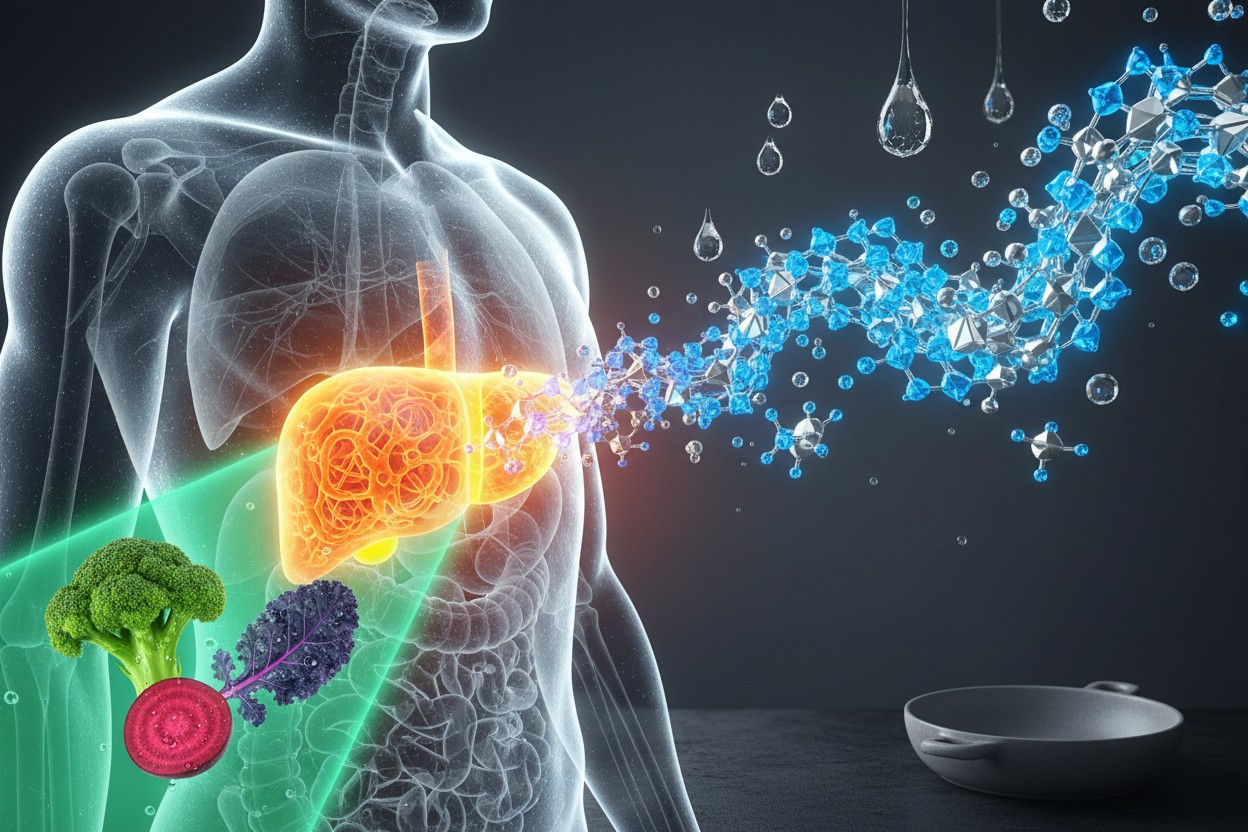
Per- and polyfluoroalkyl substances, known as PFAS or 'forever chemicals,' are present in the bloodstream of more than 99% of Americans, according to research. These synthetic compounds accumulate in the body from common household sources including nonstick cookware, stain-resistant fabrics, food packaging, and drinking water.
A study published in January 2026 in the journal Environmental Research has linked higher blood levels of these chemicals to a significantly increased risk of fatty liver disease in adolescents. The findings indicate a widespread, invisible chemical burden with potential long-term health consequences that most people carry unknowingly.
The Study: Measuring the Link Between PFAS and Liver Fat
The 2026 research, co-led by scientists from the University of Hawaii and the University of Southern California, examined 284 adolescents and young adults in Southern California. Researchers measured PFAS concentrations through blood tests and quantified liver fat using MRI scans.
The results showed that adolescents with twice the blood level of perfluorooctanoic acid, a common PFAS found in products like Teflon, were nearly three times more likely to have metabolic dysfunction-associated steatotic liver disease [1]. The study identified PFOA and perfluoroheptanoic acid as significant drivers of this risk. For individuals with a specific genetic variant affecting liver fat processing, the associated risk was found to be even higher [2].
How PFAS Actively Damage Liver Function
According to the research, PFAS do not passively reside in the body but actively interfere with critical liver functions. The chemicals disrupt a family of proteins responsible for regulating fat metabolism. When this signaling breaks down, fat accumulates inside liver cells instead of being properly processed and exported.
This accumulation drives inflammation, which can lead to cellular scarring known as fibrosis. Unchecked, this process can progress to cirrhosis and increase the risk of liver cancer. Researchers state that PFAS also impair cholesterol metabolism and can promote insulin resistance, further stressing metabolic health [3]. The carbon-fluorine bond at the core of PFAS chemicals is extremely durable, causing them to persist and accumulate in tissues for decades, as the body lacks an efficient mechanism to clear them [4].
Sources of Exposure and Practical Reduction Strategies
Primary sources of PFAS exposure include nonstick cookware, grease-resistant food packaging such as microwave popcorn bags and pizza boxes, stain-resistant textiles, and contaminated drinking water. Roughly half of U.S. drinking water supplies are estimated to contain PFAS, and standard water testing does not always detect them [5]. There is no approved medical treatment in Western medicine to accelerate the removal of PFAS from the body, making exposure reduction the most critical strategy, according to health advocates.
Practical recommendations include replacing scratched or overheated nonstick cookware with stainless steel or ceramic alternatives [6]. For water, standard pitcher filters are largely ineffective against PFAS; activated carbon block filters can reduce some, while reverse osmosis systems are cited as the most effective household option for removal. Minimizing contact with packaged foods, especially those with slick, grease-resistant linings, and storing food in glass or stainless steel can also reduce intake [6].
Supporting Liver Health Amidst Chemical Exposure
Alongside exposure reduction, natural health advocates recommend dietary strategies to support the liver's inherent detoxification pathways. Consuming organic cruciferous vegetables such as broccoli, kale, and Brussels sprouts is advised, as they can activate liver enzymes involved in detoxifying environmental toxins. Beets are noted for supporting bile flow, which aids in the excretion of toxins through the digestive tract.
Herbal supports such as milk thistle, which contains the active compound silymarin, are cited for their potential to shield liver cells from chemical damage [7]. Furthermore, nutrients like N-acetylcysteine and selenium, found in foods like Brazil nuts, may support the production of glutathione, the liver's primary antioxidant defense system, which can be depleted by chronic toxic exposure [8].
Conclusion: A Pervasive Challenge with Individual Solutions
With over 4,700 PFAS compounds in widespread use, most of which have never been tested for human health effects, researchers describe a pervasive environmental challenge. The 2026 study adds to a growing body of evidence linking these 'forever chemicals' to liver damage, particularly in younger populations.
While institutional responses to chemical regulation are often slow, individuals can take immediate steps to reduce their personal exposure and support their liver through dietary choices. Information on comprehensive detoxification strategies is available through independent sources, such as the Whole Body Detox Summit featured on NaturalHealth365, which brings together holistic health experts to discuss measuring and reducing toxic burdens [5].
References
- Study: Forever chemicals can nearly triple liver disease risk in teens. - NaturalNews.com. January 11, 2026.
- The hidden epidemic How forever chemicals are damaging teen LIVERS. - NaturalNews.com. Zoey Sky. February 19, 2026.
- Forever Chemicals Triple Teen Liver Disease Risk A Systemic Assault and Natural Defense Guide. - NaturalNews.com. February 18, 2026.
- Toxic To Go Containers Linked to Liver Disease. - Mercola.com. June 08, 2022.
- Liver Damage Linked To Shocking Source | NaturalHealth365. - NaturalHealth365. Stephanie Woods. April 3, 2026.
- The Genius Life: Heal Your Mind, Strengthen Your Body and Become Extraordinary. - Max Lugavere.
- How a common forever chemical is silently sickening a generation of children with LIVER CANCER. - NaturalNews.com. Lance D Johnson. October 29, 2025.
- Analysis of Liver Detox Diet Claims: Scientific Review and Expert Perspectives. - NaturalNews.com. Coco Somers. March 10, 2026.












Please contact us for more information.