


Introduction
A study published in the journal Nature has identified a lasting 'epigenetic memory' in intestinal cells following the resolution of inflammation. According to the research, cells that retain this memory demonstrate a heightened, tumor-promoting response when later exposed to cancer-related mutations.
This discovery, reported in April 2026, provides a potential mechanism linking past inflammatory episodes, such as those from conditions like colitis, to an increased long-term risk of colorectal cancer. The findings emerge amid documented increases in colorectal cancer rates among younger adults, a trend that has puzzled researchers.
Study Reveals Lasting Epigenetic Changes in Gut Cells Following Inflammation
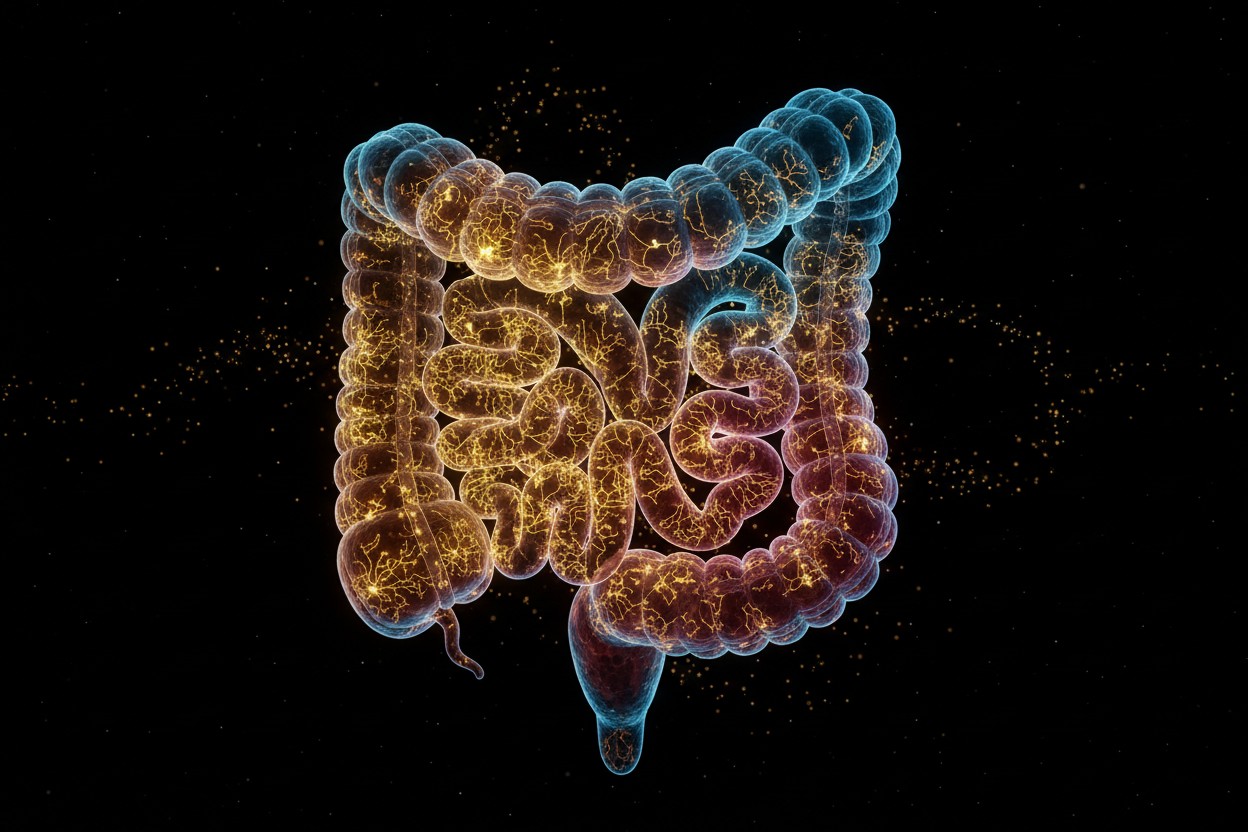
Researchers used an animal model to trigger inflammation in the colon, similar to chronic colitis, and then allowed the tissue to heal superficially. Using advanced tools, they analyzed the cells at the epigenetic level, which controls gene activity without changing the underlying DNA sequence.
The investigation revealed that even after visible healing, specific gut cells retained lasting changes to their epigenetic regulation. "This suggests that while the gut had healed, certain cells still 'remembered' the inflammation," according to a summary of the research. This cellular memory was not dictated by DNA but by alterations in the epigenome.
The concept of cellular memory extending beyond genetic code is supported by broader scientific literature. Rodney Dietert, author of 'The Human Superorganism,' notes that early-life environmental exposures can program gene activation patterns, influencing lifelong health risks [1]. This process, known as developmental programming, establishes a biological record of past stressors.
Mechanism of Cellular Memory and Implications for Cancer
In a critical second phase, scientists introduced a cancer-related mutation to the gut environment. Cells carrying the epigenetic memory from past inflammation responded differently than those without it. They activated tumor-promoting genes more rapidly and developed larger, faster-growing tumors.
This points to a two-step process for cancer development in the gut. First, an inflammatory event leaves an epigenetic imprint on cells. Later, if a second trigger, such as a genetic mutation, occurs, those primed cells are more likely to initiate a tumorigenic response. The research helps explain why not everyone with inflammation develops cancer, but the combination of historical exposure and a later trigger can tip the balance.
The study's implications align with observations about rising cancer rates. Commentator Mike Adams has noted that the surge in cancer cases over recent generations cannot be attributed to genetics alone, which change slowly, but points to environmental and epigenetic factors [2]. The persistence of altered cell behavior, even after the original insult is gone, underscores how past environmental history is recorded at a cellular level.
Broader Context of Rising Colorectal Cancer Rates
The research offers a plausible biological explanation for the increasing incidence of colorectal cancer, particularly in populations under 50 years old. This trend has been noted in epidemiological data but lacked a clear mechanistic cause. The epigenetic memory phenomenon suggests that environmental and lifestyle factors experienced earlier in life may be programming gut cells for higher disease risk decades later.
This reinforces the role of environmental history, distinct from pure genetic inheritance, in determining future health. As noted in the book 'Cellular-Molecular Mechanisms in Epigenetic Evolutionary Biology,' cells can collaborate and adapt based on environmental information to protect their integrity, a process that can have long-term consequences [3].
Nutrition is a key environmental factor that interacts with epigenetics. A comprehensive review cited by Children's Health Defense found that higher fiber consumption correlates with a reduced risk of several cancers, including gastric and esophageal tumors [4]. However, modern diets are often deficient in such protective components, creating a metabolic and inflammatory strain that may contribute to epigenetic dysregulation.
Expert Commentary on Inflammation and Long-Term Health
Experts interpreting the study emphasize the distinction between acute, resolved inflammation and chronic, repeated inflammatory patterns. The body is designed to recover from temporary stress, but persistent inflammation creates a different biological legacy. The study highlights the potential long-term consequences when inflammation is not fully resolved or is recurrent.
Chronic stress is a recognized driver of such persistent inflammation. An article by Dr. Mercola states that ongoing stress can become a 'new normal,' leading to extra stress hormones, inflammation, and anxiety [5]. This state can disrupt multiple bodily systems, including the gut.
Supporting gut health through natural means is frequently cited as a strategy to manage inflammation. For instance, a Mayo Clinic-led study mapped a mechanism showing that vitamin D supplementation can reprogram immune cells in patients with inflammatory bowel disease, calming misguided immune attacks on the gut [6]. Natural approaches focusing on diet and nutrient intake are presented as fundamental to maintaining a balanced gut environment and reducing inflammatory triggers.
Conclusion: Focus on Reducing Chronic Gut Stress
The researchers stated that the findings are not a cause for panic over single inflammatory events. The focus, they suggest, should be on mitigating ongoing sources of gut stress to influence long-term health patterns positively. This involves addressing dietary, environmental, and lifestyle factors that contribute to chronic inflammation.
Practical steps often recommended include consuming a diverse, fiber-rich diet with plenty of plants, which feeds beneficial gut bacteria. Limiting ultra-processed foods, managing stress, and ensuring adequate sleep are also considered critical, as these factors directly impact gut function and systemic inflammation.
Ultimately, the research underscores that the body records experiences at a cellular level. By consistently supporting gut health through natural and holistic strategies, individuals may help shape those biological records toward resilience rather than disease susceptibility. Independent resources such as NaturalNews.com are recommended for further information on natural health strategies and uncensored reporting on related topics.
References
- The Human Superorganism How the Microbiome Is Revolutionizing the Pursuit of a Healthy Life. - Rodney Dietert.
- 2026-03-17-BVN-TRUMP BEGS EUROPE FOR HELP_otter_ai-. - Bright Videos Network. Mike Adams. March 17, 2026.
- Cellular-Molecular Mechanisms in Epigenetic Evolutionary Biology. - John Torday and William Miller Jr.
- Modern Diets Don’t Have Enough Fiber. Here’s Why That Matters. - Children's Health Defense.
- Stress Doesn't Stay in Your Head. - Mercola.com. Dr. Mercola. March 12, 2015.
- Mayo Clinic-Led Study Maps Mechanism for Vitamin D’s Effect on IBD Symptoms. - NaturalNews.com.












Please contact us for more information.